
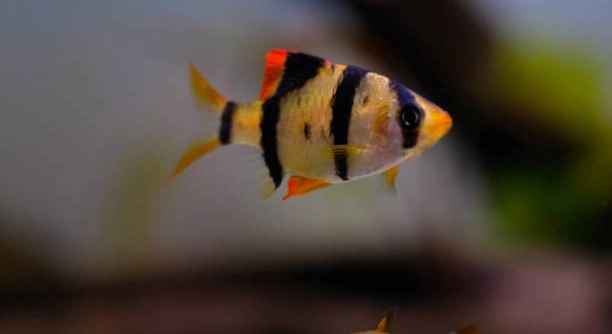
Barbs are known for their lively and sometimes unpredictable moods. Noticing these changes can help you better understand their behavior and care needs. This article highlights common patterns that show shifts in Barb moods.
Barb mood shifts can be identified through changes in activity levels, coloration, feeding habits, social behavior, response to stimuli, swimming patterns, and territorial displays. Recognizing these signs allows for timely adjustments in their environment to maintain well-being.
Recognizing these patterns will help you respond more effectively to your Barb’s needs and create a healthier environment for them.
Changes in Activity Levels
Barbs often show mood shifts through changes in how active they are. When they feel stressed or unwell, they might become less active and hide more often. On the other hand, if they are excited or curious, they may swim around energetically and explore their tank. Sudden drops in movement can signal discomfort or illness, while bursts of energy often mean they are comfortable and engaged with their environment. Watching these patterns closely helps you spot when something might be wrong early on. This way, you can take steps to improve their surroundings or check for health issues before they worsen. Consistency in their activity levels is a good indicator of a stable mood and good health.
Lower activity usually means something is bothering your Barb, while increased activity shows they feel safe and curious.
Paying attention to these activity shifts helps you respond appropriately, ensuring your Barb remains happy and healthy.
Coloration Changes
Color changes are a clear sign of mood shifts in Barbs. When they are stressed, scared, or sick, their colors often dull or become less vibrant. Bright and rich colors usually mean the fish is healthy and comfortable. Stress factors like poor water quality, aggressive tank mates, or sudden changes can cause these shifts. Sometimes, during mating periods or territorial disputes, their colors intensify. These visual cues are important because they provide immediate feedback on how your Barb is feeling without needing complex observation. Maintaining stable tank conditions and minimizing stress will help preserve their natural coloration and overall well-being. Watching these color shifts gives you insight into their emotional state and health.
Color changes in Barbs reflect their mood and health status.
Monitoring their coloration regularly can alert you to potential problems early on.
Feeding Habits
Changes in feeding habits often indicate mood shifts in Barbs. A sudden loss of appetite may mean stress, illness, or discomfort, while increased eating can signal excitement or readiness to breed. Observing these habits closely helps track their well-being.
When Barbs stop eating or eat less, it’s often due to stressors like poor water quality, sudden tank changes, or bullying from other fish. Illness can also affect their appetite, making prompt attention essential. Increased feeding behavior might appear during mating season or when they feel secure. Offering varied and nutritious food helps encourage a healthy appetite and provides comfort, which positively influences their mood. Tracking their eating habits offers a reliable way to understand their emotional state.
Feeding behavior is a direct reflection of a Barb’s mood and health. Adjusting their diet and environment accordingly supports their overall well-being and happiness.
Social Behavior
Barbs’ social behavior changes can reveal their mood shifts clearly. Isolation or aggressive acts are signs of discomfort or stress. Active socializing indicates comfort and contentment.
Barbs are naturally social, thriving in groups where they interact regularly. When they feel threatened or unwell, they may isolate themselves or become aggressive toward tank mates. These behaviors show they’re unsettled or experiencing mood shifts. In contrast, playful chasing and schooling behaviors reflect a positive emotional state and a secure environment. Understanding their social needs and providing the right group size helps reduce stress and encourage healthy interactions. Observing social behavior is key to maintaining a balanced and happy tank community.
Response to Stimuli
Barbs react quickly to changes in their environment, which often reflects their mood. If they become jittery or hide frequently, it usually means they feel stressed or threatened.
Calm and relaxed Barbs swim openly and show little fear of movements around the tank. These behaviors suggest they are comfortable and secure in their habitat.
Swimming Patterns
Barbs’ swimming behavior changes noticeably with their mood. Erratic, fast movements often signal anxiety or distress. Slow, steady swimming usually means they are calm and relaxed. Watching these patterns helps identify when something in their environment needs adjustment.
Territorial Displays
Barbs sometimes show territorial behavior, especially males. This is a sign they feel confident or protective of their space, but it can also indicate stress if the tank is overcrowded.
How can I tell if my Barb is stressed?
Signs of stress in Barbs include dull coloration, hiding more than usual, decreased activity, and loss of appetite. They may also show erratic swimming or aggression toward tank mates. Stress often results from poor water quality, overcrowding, or sudden changes in the tank environment. Keeping water clean and stable helps reduce stress.
What causes mood swings in Barbs?
Mood swings in Barbs can be caused by changes in water conditions, tank mates, diet, or health issues. Environmental factors like temperature shifts or noise can also affect their mood. Illness or discomfort may lead to mood changes, so regular monitoring is important to keep them healthy.
Why does my Barb suddenly stop eating?
A sudden loss of appetite often indicates stress, illness, or poor water quality. Changes in diet or the presence of aggressive fish can also discourage feeding. It’s important to test water parameters and observe for signs of disease when appetite drops.
Is it normal for Barbs to be aggressive sometimes?
Yes, Barbs can display aggression, especially males competing for territory or mates. This behavior is natural but should be monitored to prevent injury. Providing enough space and hiding spots reduces conflicts.
How often do Barbs change their mood?
Barbs can shift mood several times a day depending on their environment and interactions. Frequent changes may suggest instability in tank conditions or stressors. Consistent care helps maintain a steady mood.
Can changing tank mates affect Barb behavior?
Introducing new fish can cause stress and mood changes in Barbs. They may become shy, hide, or act aggressive. Gradual introductions and choosing compatible species minimize these effects.
What role does tank size play in Barb mood?
Small or overcrowded tanks increase stress and aggression in Barbs. A larger tank with proper hiding places supports natural behavior and reduces mood swings. Providing adequate space is key to their well-being.
How can I improve my Barb’s mood?
Maintaining clean water, a stable environment, a balanced diet, and compatible tank mates improves Barb mood. Adding plants and decorations offers hiding spots that make them feel secure. Regular observation helps catch early signs of distress.
Do Barbs show mood changes during breeding?
Yes, Barbs may become more active, aggressive, or change coloration when breeding. These shifts are temporary and usually indicate readiness to mate. Ensuring good tank conditions supports successful breeding behavior.
When should I be concerned about mood changes?
Persistent dull colors, refusal to eat, constant hiding, or aggressive behavior lasting several days may indicate illness or serious stress. In such cases, testing water quality and consulting a veterinarian or fish expert is recommended.
Barbs are lively fish that often show clear signs when their mood changes. Paying attention to their behavior can help you understand what they are feeling and what they need. Whether it is changes in activity, color, feeding habits, or social interactions, these signals provide useful information about their well-being. Knowing how to recognize mood shifts makes it easier to take quick action to improve their environment or health.
Maintaining a stable and clean tank is important for keeping Barbs comfortable and happy. Small changes in water quality, tank mates, or surroundings can affect their mood quickly. By observing them daily, you can notice early signs of stress or illness and prevent problems from getting worse. Providing enough space, hiding places, and a good diet also supports their emotional and physical health. It is helpful to remember that Barbs, like all fish, need consistent care and attention to thrive.
Understanding Barb mood shifts is not only about spotting problems but also about improving their quality of life. When they feel safe and secure, Barbs show their natural colors and behaviors, making the tank more enjoyable to watch. Taking the time to learn about their moods and needs helps create a better home for these fish. This knowledge allows you to be a more responsible and caring fish keeper, ensuring your Barbs stay healthy and active for a long time.

Hello,
If you enjoy the content that we create, please consider saying a "Thank You!" by leaving a tip.
Every little bit helps us continue crafting quality advice that supports the health, happiness, and well-being of pets around the world, for pets of all shapes, sizes, and species.
We really appreciate the kindness and support that you show us!