
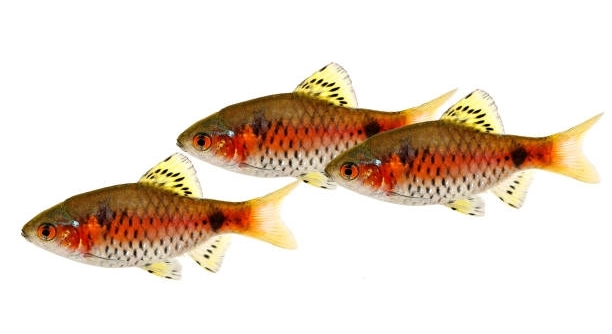
Rosy barbs are popular freshwater fish known for their vibrant colors and active behavior. When kept in pairs, they display unique interactions that can indicate their compatibility and well-being. Recognizing these patterns helps fish owners create a healthy environment.
Seven distinct behavioral and physical patterns indicate a successful pairing of rosy barbs. These include synchronized swimming, mutual grooming, balanced aggression, coordinated feeding, harmonious territory sharing, matching coloration intensity, and calm resting proximity. Each pattern reflects the pair’s social bond and health.
Understanding these signs can improve your care routine and enhance the harmony in your aquarium’s community. Observing these behaviors will give valuable insights into your rosy barbs’ relationship dynamics.
Synchronized Swimming
Rosy barbs often swim together in pairs, moving side by side or following each other closely. This synchronized swimming shows a strong connection between them. When they glide through the water in unison, it means they feel comfortable and safe around each other. This behavior also helps reduce stress, as they find reassurance in their partner’s presence. Watching their smooth, coordinated movements can be calming and enjoyable. It’s important to provide enough space in the tank for them to swim freely and keep this natural behavior alive. When pairs start to swim apart or seem disinterested, it could be a sign of discomfort or illness. Maintaining clean water and a stable environment supports their bonding and encourages these positive interactions. Synchronized swimming is one of the easiest ways to spot a healthy pair of rosy barbs.
This behavior helps maintain the pair’s social bond and reduces anxiety in the aquarium.
Consistent synchronized swimming is a sign the pair is well-adjusted. It suggests they trust each other and share a peaceful relationship. This pattern also means the tank conditions are favorable, with enough space and good water quality. When you see this behavior, it’s a good indication that your rosy barbs are happy and thriving. You might notice them weaving through plants or swimming along the tank’s edges together, showing off their vibrant colors in harmony.
Mutual Grooming
Mutual grooming happens when rosy barbs gently nibble or clean each other’s scales and fins. This action helps remove dirt, parasites, and dead skin, promoting better health for both fish. It also strengthens their social bond and reduces aggression. When grooming is present, it means the pair is comfortable with each other and shares trust. If grooming stops, it may indicate stress or illness. Encourage this behavior by keeping a calm environment and avoiding overcrowding. Mutual grooming often occurs after feeding or during resting periods. It can be brief or last several minutes, depending on the pair’s mood. This simple interaction reveals a lot about the health of their relationship.
Mutual grooming signals a close, trusting connection and good overall health.
Seeing your rosy barbs take care of each other through grooming is a rewarding experience. This behavior not only keeps them clean but also calms them down. When fish groom each other, it helps prevent infections and keeps their scales bright. It’s a natural way for them to show care and strengthen their partnership. As they gently nibble around fins and sides, you can tell they feel safe together. Providing a peaceful tank with hiding spots encourages this bonding activity. Mutual grooming is a quiet but important sign that your rosy barbs are getting along well and staying healthy.
Balanced Aggression
Balanced aggression in rosy barb pairs means they show some assertive behavior but without causing harm. Small displays of chasing or nipping help establish territory and hierarchy. This behavior keeps their relationship stable and prevents larger conflicts.
In a healthy pair, aggression is controlled and brief. They may chase each other around the tank but quickly stop and return to calm swimming. This behavior helps them maintain clear social roles without stress. If aggression becomes constant or intense, it signals problems like overcrowding or poor tank conditions. Proper space, hiding places, and monitoring water quality reduce aggressive tension. Balanced aggression is normal and helps the pair bond by setting limits while avoiding injury.
Sometimes, a little aggression can encourage activity and interaction. It keeps the fish alert and aware of each other. However, aggression should never lead to visible damage or exhaustion. When aggression is balanced, the pair maintains a peaceful coexistence with clear boundaries. Observing their interactions regularly will help spot any shifts from healthy behavior to potential issues early on.
Coordinated Feeding
Coordinated feeding happens when rosy barb pairs eat together calmly, sharing space without fighting over food. This behavior shows trust and cooperation during mealtime, which is vital for their wellbeing.
Pairs that feed in coordination avoid stress and competition, ensuring both fish get enough nutrition. This behavior is a sign of a strong bond and respect between the two. It also means the feeding routine and tank setup work well. Providing small, evenly distributed food portions encourages this peaceful sharing. When fish start guarding food or chasing each other away, it may signal stress or imbalance. Consistent coordinated feeding helps maintain harmony and healthy growth in the pair. It’s important to observe their feeding habits to support this positive pattern.
Harmonious Territory Sharing
Harmonious territory sharing means rosy barbs respect each other’s space without constant fighting. They divide the tank naturally and avoid encroaching on each other’s preferred areas.
This peaceful sharing lowers stress and helps maintain balance. It allows both fish to feel safe and secure in their environment.
Matching Coloration Intensity
Matching coloration intensity in a pair shows they are both healthy and emotionally balanced. When one fish’s color fades, it often reflects stress or poor health.
Bright, consistent colors between two rosy barbs signal a strong, stable bond. This visual harmony is an important indicator of their well-being.
Calm Resting Proximity
Calm resting proximity means the pair stays close while resting without signs of tension. This behavior reflects trust and comfort between the two fish. It shows they feel secure together in their shared environment.
FAQ
How can I tell if my rosy barbs are bonding well?
You can tell by observing their behavior closely. Look for synchronized swimming, mutual grooming, and calm resting near each other. These signs show they are comfortable and connected. Balanced aggression and coordinated feeding also indicate a healthy bond. If your rosy barbs spend most of their time apart or show constant aggression, they may not be bonding well.
Is it normal for rosy barbs to show some aggression?
Yes, a small amount of aggression is natural. It helps establish social order and territory. However, it should be brief and not cause harm. If chasing or nipping becomes constant or intense, it may indicate stress or overcrowding. Providing enough space and hiding spots helps keep aggression balanced and manageable.
What does it mean when rosy barbs stop swimming together?
When rosy barbs stop swimming side by side, it might signal discomfort or illness. They usually swim in pairs when bonded. Changes in swimming patterns can also happen due to poor water quality or changes in tank conditions. Check the environment and their health if this behavior appears.
Can rosy barbs share territory without fighting?
Yes, harmonious territory sharing is common when pairs are well-matched. They learn to respect each other’s preferred spaces, which lowers stress and avoids conflicts. Ensuring there is enough space and hiding places in the tank encourages this peaceful behavior.
Why do rosy barbs groom each other?
Mutual grooming is a way to keep clean and build trust. It removes parasites and dead skin while strengthening their social connection. This behavior shows the pair feels safe and relaxed together. If grooming stops suddenly, it might mean something is wrong.
How important is coordinated feeding for rosy barbs?
Coordinated feeding is very important. It prevents stress and competition over food. When pairs feed calmly together, it reflects a strong bond and respect. Feeding them evenly and gently helps encourage this behavior and keeps both fish healthy.
What does matching coloration mean in rosy barb pairs?
Matching bright colors mean both fish are healthy and emotionally stable. When one loses color, it often signals stress or illness. Keeping water clean and maintaining good diet helps preserve their vibrant hues and strengthens their bond.
What should I do if aggression between my rosy barbs increases?
If aggression rises, check the tank size, water quality, and population. Make sure there is enough space and hiding spots. Reduce stress by avoiding sudden changes. Sometimes, separating the fish temporarily helps calm them down.
How can I support rosy barbs’ natural behaviors?
Provide a clean, spacious tank with plants and hiding places. Feed them a balanced diet and maintain stable water conditions. Watching their behavior regularly helps you notice changes early and adjust care as needed.
Are rosy barbs happy when resting close together?
Yes, calm resting proximity shows they trust each other and feel safe. Staying near while resting means their bond is strong, and the environment is comfortable for both.
Final thoughts on rosy barb pairing highlight the importance of understanding their behavior to ensure a healthy and peaceful environment. Observing key patterns like synchronized swimming, mutual grooming, and balanced aggression helps in recognizing a strong bond between the fish. These behaviors indicate comfort, trust, and social stability within the pair. When rosy barbs display these signs, it shows they are adapting well to their environment and to each other. Creating a tank setup that encourages such interactions is essential for their well-being.
Maintaining good water quality, providing enough space, and offering a balanced diet are also critical factors. Rosy barbs are active fish, so having room to swim and hiding spots to retreat to can reduce stress and prevent conflicts. Watching their coloration can give clues about their health, as bright and matching colors often mean they are feeling secure. Paying attention to feeding patterns, such as coordinated feeding, further helps support their bond and health. Small changes in behavior or appearance should be addressed early to avoid bigger problems later.
Overall, taking time to learn and watch these seven patterns of rosy barb pairing benefits both the fish and their keeper. Understanding these signs allows for better care and helps create a calm, balanced aquarium. When rosy barbs thrive together, it adds beauty and life to the tank while providing a satisfying experience for the person caring for them. Keeping the environment stable and respectful to their natural behaviors will lead to happier, healthier fish over time.

Hello,
If you enjoy the content that we create, please consider saying a "Thank You!" by leaving a tip.
Every little bit helps us continue crafting quality advice that supports the health, happiness, and well-being of pets around the world, for pets of all shapes, sizes, and species.
We really appreciate the kindness and support that you show us!