
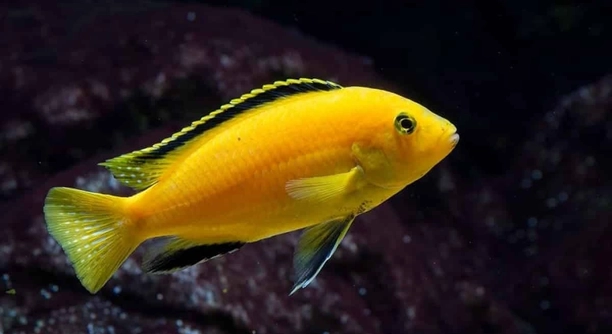
Cichlids are fascinating fish, known for their vibrant colors and unique behaviors. Among these behaviors, mouthbrooding stands out as a remarkable form of parental care. This reproductive strategy has captured the interest of many hobbyists and researchers alike.
Mouthbrooding in cichlids follows several recognizable patterns, including egg collection, selective incubation, and protective behavior. Parents, usually females, carefully carry and aerate eggs, ensuring optimal survival conditions for their offspring, while balancing feeding and predator avoidance strategies.
These patterns reveal more than just care—they highlight survival strategies that have evolved over generations. Observing them provides insight into both natural behavior and the complexity of aquatic life.
Egg Collection and Initial Care
When cichlids lay their eggs, the process of collecting and protecting them begins immediately. Females typically scoop the freshly fertilized eggs into their mouths, keeping them safe from predators. During this time, the eggs remain clustered and are carefully positioned to ensure proper oxygenation. The female may use subtle movements of her mouth to circulate water around the eggs, which is essential for their development. While carrying the eggs, feeding is usually reduced, as the priority is keeping the clutch safe. Males often guard the territory, deterring intruders and reducing stress on the female. The initial days are critical, and any disturbance can affect the survival rate. Observation shows that some species may take extra care by rearranging eggs or discarding damaged ones, which demonstrates a selective process aimed at increasing offspring viability. Each species has slight variations in timing and method, but the protective strategy remains consistent.
This careful attention ensures most eggs reach the hatching stage without harm.
Females balance protection and survival, maintaining constant vigilance while slowly resuming feeding, highlighting the delicate trade-off between self-care and parental duties.
Selective Incubation
During incubation, females demonstrate highly selective behavior. They often remove eggs that appear unhealthy or damaged, focusing resources on those most likely to survive.
Selective incubation extends beyond mere removal of defective eggs. It also includes adjusting the position of eggs to optimize water flow and oxygen exposure. By gently shifting eggs with subtle mouth movements, the female ensures that each one receives adequate aeration, which is crucial for healthy development. Timing plays an essential role: the female constantly monitors egg development and may alter her behavior depending on environmental factors like water temperature or potential threats. Interestingly, in some species, females may split their brood, temporarily moving portions of eggs to hidden locations to reduce risk from predators. The process requires continuous attention and energy, and it can last for weeks until the fry are ready to swim independently. Males remain nearby in many species, protecting the territory while the female focuses on the delicate care of her clutch. This coordination demonstrates a sophisticated form of parental investment that increases offspring survival and ensures the continuation of the species.
By managing incubation actively, females maximize the chances of healthy fry, showing a remarkable combination of instinct and adaptation.
Protective Behavior
Mouthbrooding cichlids are highly protective of their eggs and fry. Females rarely leave their brood unattended, constantly monitoring their surroundings. Males often guard the territory, deterring predators and rivals, allowing the female to focus on care without distractions.
Protection involves more than guarding. Females use their mouths to shield fry when threats approach, sometimes hiding them among rocks or vegetation. The constant vigilance ensures fry are less exposed to aggressive fish or sudden changes in the environment. Even minor disturbances can trigger defensive movements, indicating strong instinctive behavior. This protection continues until the fry can swim independently, showing the commitment of parents to survival.
In some species, females create subtle escape cues, moving fry in small groups to confuse predators. They coordinate with territorial males to maintain safety, combining physical protection and strategic positioning. Such behavior demonstrates both instinctive intelligence and practical adaptation, ensuring the highest chance of offspring survival in complex aquatic habitats.
Feeding and Fry Development
During mouthbrooding, feeding is often limited to prioritize brood care. Females may eat less or only take small bites, conserving energy for protecting eggs and fry.
As fry grow, feeding strategies change. Once hatched, fry receive parental guidance, learning to forage safely. Mothers may release small groups briefly to allow feeding while keeping most under close supervision. This staggered release prevents overwhelming exposure to predators while supporting early development. Parents adjust care based on fry activity, environmental conditions, and potential threats, showing an adaptive balance between nourishment and safety. Feeding becomes more efficient as fry strengthen and explore their environment, preparing for independence.
Fry development relies on careful timing. Mothers monitor growth rates, adjusting the duration of mouthbrooding to ensure fry are robust enough to survive outside the protective care. Observation shows that both environmental factors and parental condition influence how long fry remain in the mouth. During this time, mothers maintain selective feeding, sometimes providing direct access to small prey within the mouth or near safe zones. Fry learn to recognize edible items, develop swimming coordination, and strengthen muscles, all while benefiting from the protective and instructional presence of the parent. This combination of care and training ensures the highest likelihood of survival once full independence is required.
Brood Splitting
Some cichlid species split their brood into smaller groups to reduce predation risk. Females move portions of eggs or fry to hidden areas, ensuring not all offspring are exposed at once.
Brood splitting allows better control over safety. By dividing the fry, the female can focus on smaller groups, monitor development, and react quickly to threats. This strategy reduces stress on both parent and young, while maximizing survival chances across the entire brood.
Social Interaction
Mouthbrooding cichlids communicate with subtle movements and body language. This interaction keeps fry coordinated and aware of potential threats.
Releasing Fry
When fry are strong enough, females gradually release them. They remain nearby, providing guidance and protection as young explore independently.
Parental Role Balance
Males and females coordinate care, with males guarding territory and females managing eggs and fry. This shared responsibility ensures safety, efficient feeding, and higher survival rates.
FAQ
How long do cichlids mouthbrood their eggs?
The duration of mouthbrooding varies by species, but most females carry eggs for about two to three weeks. During this time, the female rarely eats and keeps the eggs or fry in her mouth constantly. Environmental conditions, such as water temperature, can slightly speed up or slow down development.
Do males ever mouthbrood the eggs?
In most species, males do not carry the eggs. Their role is primarily territorial protection, guarding the area and deterring predators. However, a few species display biparental care, where males may assist in holding fry briefly or guiding them during early swimming stages.
How do mouthbrooding cichlids feed while carrying eggs?
Feeding is minimal during the early stages of mouthbrooding. Some females nibble small amounts of food carefully to avoid disturbing the eggs. Once fry hatch, mothers may allow brief releases to feed on tiny particles, while still keeping most of the brood protected.
What happens if an egg is damaged or unhealthy?
Females often remove damaged or non-viable eggs from their mouths. This selective behavior ensures that energy is invested only in eggs with the best chance of survival. Removing unhealthy eggs also reduces the risk of infection or decay spreading to the rest of the clutch.
Can fry survive if separated from their mother too early?
Fry are highly dependent on their mother during the initial days after hatching. Early separation significantly reduces survival chances because the fry are still developing swimming coordination, learning to feed, and require protection from predators. Gradual release by the mother is essential.
How do cichlids know when to release the fry?
Release is based on fry development. The mother monitors swimming ability, strength, and coordination. Once fry are capable of independent movement and foraging, she allows them to leave her mouth in small groups, remaining nearby to supervise until they can survive on their own.
Are all cichlid species mouthbrooders?
Not all cichlids use mouthbrooding. Some species are substrate spawners, where eggs are laid on rocks, sand, or plants and guarded without being carried. Mouthbrooding is common among certain African and South American species, particularly those in environments with higher predation risk.
Does mouthbrooding affect the health of the mother?
Extended mouthbrooding can temporarily weaken the mother due to reduced feeding. However, females are adapted to tolerate this period of limited nutrition. Once the brood is released, the mother usually resumes normal feeding and recovers quickly.
How do environmental factors affect mouthbrooding?
Water temperature, oxygen levels, and stress can influence mouthbrooding success. Higher temperatures may accelerate egg development but also increase metabolic demands on the mother. Low oxygen or poor water quality can stress both mother and eggs, reducing survival rates.
Can mouthbrooding behavior be observed in aquariums?
Yes, many hobbyists successfully observe mouthbrooding in captivity. Providing hiding spots and a safe, calm environment is crucial. Disturbances or aggressive tank mates can cause stress, prompting the mother to abandon the eggs or fry. Watching the careful movements of a brooding female reveals the intricacy and commitment of this behavior.
How do fry learn to forage after leaving the mother?
Fry often follow their mother for guidance. She may lead them toward small food particles or safe feeding areas. This early instruction helps fry recognize edible items and develop coordination, preparing them for independent survival.
Is mouthbrooding a form of parental intelligence?
While instinct drives much of the behavior, the strategies observed—selective egg care, brood splitting, staggered release—indicate adaptive problem-solving. Mothers balance survival, feeding, and protection, demonstrating a complex interplay of instincts refined over generations.
Do cichlids mouthbrood more than once in a season?
Many species can mouthbrood multiple times per season, depending on energy reserves and environmental conditions. Each subsequent brood requires recovery time for the female, during which she replenishes nutrition and energy to ensure effective care for the next set of eggs.
What signs indicate a successful mouthbrooding period?
Healthy, active fry that swim well and show coordinated feeding indicate successful mouthbrooding. A mother that resumes normal feeding and appears robust suggests that the brood was cared for effectively, and both mother and offspring are thriving.
Final Thoughts
Mouthbrooding in cichlids is a remarkable display of parental care and instinct. Watching a female carefully carry her eggs or fry in her mouth highlights a commitment to survival that is rare in the animal kingdom. This behavior shows that parental care is not just about protection but also about precise timing, careful observation, and constant attention. From collecting the eggs immediately after fertilization to selectively removing unhealthy ones, the mother is fully engaged in ensuring the best chances for her offspring. Even small adjustments, like repositioning the eggs for better oxygen flow, demonstrate a complex understanding of the needs of her young. The process is energy-intensive and often requires sacrifices, including reduced feeding and constant vigilance, yet it has been refined over generations to maximize survival.
The coordination between males and females in many cichlid species adds another layer of sophistication. While the female focuses on the brood, the male often guards the territory, deterring potential predators and keeping the environment safe. This division of labor allows the mother to focus entirely on her eggs or fry without unnecessary distractions. In species where males participate more directly, both parents share responsibilities, which increases the brood’s survival chances even further. Brood splitting, staggered release of fry, and subtle guidance for feeding are all strategies that highlight the balance between instinct and adaptation. These behaviors are not random; they are responses to environmental pressures, predator presence, and the physical needs of developing fry. Observing these patterns provides a deeper understanding of how survival strategies have evolved and how carefully cichlids manage the early stages of life.
Understanding mouthbrooding also offers practical insights for aquarists and researchers alike. In captivity, providing a calm, safe environment with proper hiding spots and balanced nutrition can significantly improve the success of brood care. Monitoring water quality, temperature, and oxygen levels ensures that the mother and her fry remain healthy. Even small disturbances can disrupt her careful routine, so awareness of her needs is essential. Beyond the aquarium, studying these behaviors sheds light on the resilience and adaptability of cichlids in natural habitats. Their ability to balance protection, feeding, and development demonstrates an instinctive intelligence that is both fascinating and instructive. By observing and learning from these patterns, we gain a greater appreciation for the complexity of aquatic life and the subtle ways in which survival strategies are expressed in nature.

Hello,
If you enjoy the content that we create, please consider saying a "Thank You!" by leaving a tip.
Every little bit helps us continue crafting quality advice that supports the health, happiness, and well-being of pets around the world, for pets of all shapes, sizes, and species.
We really appreciate the kindness and support that you show us!