
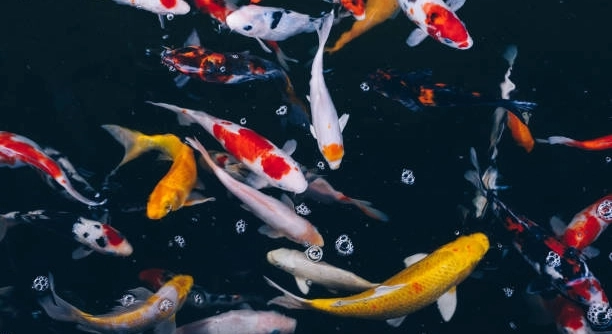
Koi fish display natural behaviors that seem to follow certain patterns without any formal training. Observing them reveals these consistent actions in their daily lives. These patterns help koi adapt and thrive in their environments.
Koi follow distinct movement and feeding patterns driven by instinct, environmental cues, and social interaction. These behaviors include swimming routines, feeding responses, and resting habits that occur naturally without human intervention or training.
Understanding these patterns provides insight into koi’s natural rhythm and helps create better care routines for their wellbeing and happiness.
Swimming Patterns of Koi
Koi tend to follow certain swimming routes in their pond without any guidance. They often circle the edges or move between shaded and sunny areas. This helps them regulate their body temperature and avoid predators. Their movement is smooth and steady, showing their calm nature. When koi swim together, they often align their pace and direction, displaying a natural schooling behavior. These patterns show their instinct to stay safe and comfortable. Koi also slow down or pause near the surface during feeding times, waiting patiently for food. Their swimming habits change with the seasons, becoming slower in cooler months and more active in warmer ones. Observing these movements can reveal much about their health and mood. If koi suddenly change their swimming pattern, it might indicate stress or illness. Understanding these natural behaviors helps keep koi healthy and content in their environment.
Koi swim calmly and predictably, usually near edges or shaded spots, following instincts for safety and comfort.
Recognizing these swimming patterns allows caretakers to adjust pond conditions for koi’s comfort. Proper water temperature, clean areas for resting, and safe zones help koi stay active and stress-free. Consistent swimming routes also mean koi feel secure, so disturbing their environment less often leads to better wellbeing. Watching koi swim can also be relaxing for owners, providing a gentle connection to nature. The way koi move together helps maintain social balance, avoiding conflicts. Knowing when koi slow down or speed up informs owners about feeding schedules and seasonal needs. This natural rhythm makes caring for koi easier and more enjoyable.
Feeding Behavior of Koi
Koi instinctively gather at feeding times without training. They recognize feeding signals and respond by swimming eagerly to the surface.
Feeding behavior is driven by their natural hunger cycle and social habits within the group.
Koi have keen senses that help them detect food quickly. They respond to vibrations and shadows, which trigger their feeding response. When food is introduced, koi compete gently, ensuring all get a chance to eat. Their feeding habits vary with water temperature—more active in warm weather and slower during cold months. Overfeeding can disrupt their natural patterns and lead to health issues, so it’s important to feed appropriate amounts. Watching koi feed provides insight into their well-being; a lack of interest in food can signal stress or illness. Their social feeding also strengthens bonds within the group, encouraging peaceful interactions. Feeding koi on a schedule supports their natural routine and promotes a balanced lifestyle in the pond.
Resting Habits of Koi
Koi rest quietly near the bottom or in shaded areas. They reduce movement and stay calm to conserve energy.
Resting is essential for koi to recover from daily activities and maintain their health. During rest, their breathing slows and fins stay still. Koi often choose places with shelter or low light to feel safe while resting. The depth and location depend on water temperature and pond conditions. Resting periods increase in colder weather when metabolism slows. Proper resting areas help reduce stress and improve koi’s overall wellbeing.
If koi don’t rest enough, they may become stressed or more vulnerable to disease. Observing resting spots and behaviors helps owners ensure the environment supports their koi’s natural needs. Providing plants or rocks for shelter can encourage restful moments and make koi feel more secure. Keeping the pond calm and avoiding loud noises also supports good resting habits.
Social Interaction Patterns of Koi
Koi interact with each other through swimming formations and gentle nudging. These behaviors establish social order within the group.
Koi form loose social hierarchies to reduce conflict and promote group harmony. Swimming together in synchronized patterns shows bonding and safety in numbers. Gentle physical contact, like nudging or brushing, helps koi communicate and maintain group cohesion. These social behaviors develop naturally and guide koi in sharing food and space. During feeding, koi respect others’ positions but may compete mildly to secure food. Social interaction also includes recognizing familiar pond mates and sometimes avoiding aggressive individuals. Maintaining stable social groups helps koi stay calm and reduces stress. Providing enough space and hiding spots allows koi to express these social patterns without feeling crowded. These natural interactions make koi ponds lively and peaceful environments.
Seasonal Behavior Changes
Koi adjust their activity levels with the seasons. They become less active in colder months and more energetic during warm weather.
These changes help koi conserve energy when food is scarce and stay active when conditions are ideal.
Breathing Patterns of Koi
Koi’s breathing rate varies depending on water temperature and oxygen levels. They breathe faster in warmer water and slower when it’s cold. Monitoring their breathing helps detect changes in pond health or koi wellbeing.
Response to Environmental Stimuli
Koi react to changes in light, sound, and movement around the pond. Sudden disturbances often cause quick, alert swimming or hiding behaviors.
Territory and Space Use
Koi naturally keep some distance from others to avoid conflicts, creating personal space zones in the pond.
What makes koi follow these natural patterns without training?
Koi follow natural patterns mainly due to instinct and environmental factors. These behaviors have developed over generations to help them survive and thrive in ponds and natural water bodies. Their instincts guide swimming, feeding, resting, and social interaction. Water temperature, light, food availability, and the presence of other fish influence their behavior. Even without human guidance, koi adapt their routines to match these conditions. Their brains are wired to recognize patterns that support their wellbeing, so they follow them automatically.
How can I tell if my koi’s behavior is normal or a sign of stress?
Normal koi behavior includes steady swimming, regular feeding, resting quietly, and gentle social interaction. Signs of stress include erratic swimming, loss of appetite, isolation, heavy breathing, or rubbing against surfaces. Sudden changes in behavior often indicate problems like poor water quality, illness, or injury. Watching koi carefully helps catch issues early. Maintaining clean water, balanced feeding, and a calm environment reduces stress and keeps behaviors natural.
Do koi need training to follow these patterns?
No, koi do not need training to follow these patterns. These behaviors are instinctive and develop naturally in response to their environment. Unlike some animals, koi rely on inborn habits to feed, swim, and interact. They learn to adjust their routines based on changes like seasons or water conditions but do not require human teaching to do so.
Why do koi swim near the pond edges or under shaded areas?
Swimming near edges or shaded spots provides koi with safety and comfort. These areas protect them from strong sunlight and predators. Edges offer hiding places and calmer water, which koi prefer when resting or avoiding disturbance. Shaded spots help regulate their body temperature by offering cooler water during warm days. These choices come naturally to koi for protection and comfort.
How often do koi rest, and where do they usually rest?
Koi rest several times a day, usually during the hottest or coldest parts of the day. They prefer to rest near the bottom or under plants and rocks, where they feel safe and sheltered. Rest periods increase when water temperature drops because their metabolism slows down. Quiet, calm areas of the pond encourage better rest.
What role does social interaction play in koi behavior?
Social interaction helps koi establish order and reduce conflict in the group. Swimming together and gentle nudging maintain balance and harmony. These behaviors ensure fair access to food and space. Social patterns also strengthen group bonds, which reduce stress. Koi learn to recognize their pond mates and adapt their behavior accordingly.
How does water temperature affect koi behavior?
Water temperature has a big impact on koi activity. Warm water increases metabolism, making koi more active and hungry. Cold water slows metabolism, reducing movement and feeding. Breathing rates also change with temperature—faster in warm water, slower in cold. Seasonal temperature shifts drive changes in swimming, feeding, and resting patterns.
Can changes in koi behavior indicate pond problems?
Yes, changes in koi behavior often signal pond problems. Erratic swimming, loss of appetite, or heavy breathing can indicate poor water quality, low oxygen, or disease. Koi are sensitive to their environment, so keeping the pond clean and well-maintained is important. Observing behavior regularly helps detect issues before they become serious.
How do koi communicate through behavior?
Koi use swimming patterns, physical contact, and positioning to communicate. Swimming together shows bonding or social status. Gentle nudges signal acceptance or invitation. Avoidance or chasing indicates dominance or territory disputes. These non-verbal signals help koi coexist peacefully and maintain social order.
What should I do if koi behavior changes suddenly?
If koi behavior changes suddenly, check water quality, temperature, and pond conditions first. Poor water or illness often causes unusual behavior. Testing for ammonia, nitrites, and pH is important. Look for signs of injury or parasites. Adjust feeding and reduce stressors like loud noises or overcrowding. If problems persist, consult a pond or fish health expert.
How can I encourage natural koi behaviors in my pond?
Providing a clean, spacious, and well-structured pond supports natural behavior. Include plants, rocks, and shaded areas for shelter. Maintain stable water temperature and oxygen levels. Feed koi on a schedule with balanced amounts. Avoid overcrowding to reduce stress and allow social interaction. A calm environment encourages koi to swim, feed, rest, and interact naturally.
Do koi form long-term bonds with each other?
Koi don’t form bonds like mammals but recognize familiar individuals. They tend to swim with and stay near certain pond mates, forming loose social groups. These groups help reduce conflict and maintain order. Recognition helps koi remember which fish are non-threatening and allows peaceful coexistence.
How does feeding time affect koi behavior?
Feeding time triggers excitement and activity. Koi swim eagerly to the surface and compete gently for food. Feeding stimulates natural instincts and social interactions. Regular feeding schedules help koi develop predictable routines. Overfeeding should be avoided to maintain natural hunger cycles and prevent health problems.
Are koi more active during certain times of the day?
Koi are generally more active during morning and late afternoon when temperatures are moderate. Midday heat often slows activity as koi seek shade and rest. Early morning feeding encourages lively behavior. Activity also depends on season and water temperature.
What is the best way to observe koi behavior?
Observe koi quietly from a distance to avoid disturbing them. Use a calm, steady approach to watch swimming, feeding, and resting patterns. Regular observation helps notice subtle changes that may indicate health or environmental issues. Keeping notes can track behavior over time and support better pond care.
Koi fish naturally follow certain patterns in their daily lives without needing any training. Their swimming, feeding, resting, and social behaviors come from instincts that help them survive and stay healthy. These patterns are influenced by their environment, including water temperature, light, and the presence of other fish. Because koi react to these factors automatically, they develop routines that support their wellbeing. Understanding these natural behaviors helps owners provide better care, ensuring koi feel comfortable and safe in their ponds.
Observing koi closely can reveal a lot about their health and mood. Changes in their behavior, such as swimming erratically or refusing to eat, often point to problems in their environment or health. Koi tend to rest in shaded, quiet areas and prefer swimming near pond edges where they feel protected. Their social interactions, like swimming in groups or gentle nudging, keep the group balanced and peaceful. Knowing these patterns helps pond owners create an environment that supports koi’s natural habits, reducing stress and promoting longevity.
Caring for koi becomes easier when their natural behaviors are respected and supported. Providing clean water, proper feeding schedules, and enough space allows koi to follow their instincts without interference. Adding plants, rocks, and shaded areas gives them places to rest and feel safe. Paying attention to their swimming, feeding, and social patterns can help spot issues early and improve overall care. When koi are allowed to live according to their natural rhythms, they thrive, bringing beauty and calm to any pond.

Hello,
If you enjoy the content that we create, please consider saying a "Thank You!" by leaving a tip.
Every little bit helps us continue crafting quality advice that supports the health, happiness, and well-being of pets around the world, for pets of all shapes, sizes, and species.
We really appreciate the kindness and support that you show us!