
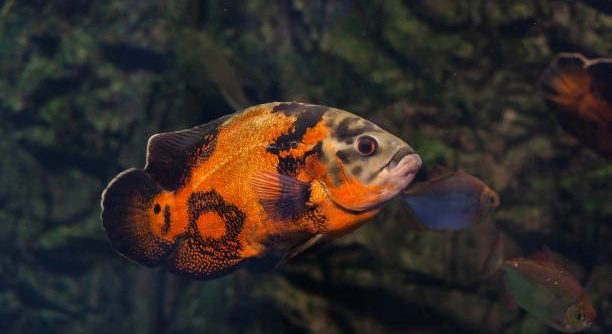
Sudden tank cleaning can cause unexpected reactions in aquarium inhabitants, especially when it comes to their comfort and overall well-being. Understanding these reactions can help improve the aquarium environment for both fish and plants.
When an aquarium is cleaned too suddenly, fish may experience stress due to changes in water quality, temperature, and the loss of familiar surroundings. Sudden changes in the tank environment can disrupt the fish’s natural behavior and health.
In this article, we will explore how tank cleaning affects fish, plants, and other aquatic life, as well as how to minimize stress during maintenance.
How Sudden Tank Cleaning Affects Your Fish
When you suddenly clean your aquarium, the water temperature and chemistry can change drastically. Fish are sensitive to these fluctuations. Even small shifts in water pH or temperature can cause stress and discomfort. Some fish may react by hiding, staying near the bottom, or swimming in an erratic manner. These changes can even weaken their immune system, making them more susceptible to diseases. The loss of familiar surroundings can also add to their anxiety. For delicate species, this kind of stress could be harmful in the long run.
Fish often rely on a stable environment. Sudden changes disrupt this balance. Without time to adjust, they may struggle to adapt to the new conditions. This is why gradual cleaning is crucial.
A clean tank is essential for a healthy aquarium, but it’s important to take a more measured approach to cleaning. Try not to alter the water too much at once. Instead, consider making smaller changes, such as water changes every few days. This way, your fish will be less stressed and will adjust over time. Additionally, avoid moving tank decorations too much. Fish depend on these items for security, and relocating them can further disorient them. Keeping things consistent is the key to a successful aquarium.
How to Avoid Stress When Cleaning Your Tank
To prevent your fish from getting stressed, avoid sudden changes in water temperature and chemistry. Make sure the tank is cleaned regularly but in smaller steps.
It’s important to gradually remove debris from your tank rather than making large, sweeping changes. If you’re cleaning the substrate, try vacuuming a small portion at a time, so the fish can adjust to the changes. If you’re doing a water change, do so incrementally over several days to allow your fish time to acclimate. Make sure to also keep the water temperature stable. Rapid temperature fluctuations can be particularly stressful, leading to illness or even death in more sensitive species. When you’re cleaning the tank glass or removing algae, do it gently to avoid causing extra distress to your fish. A little patience and planning can go a long way in maintaining both your tank’s cleanliness and your fish’s well-being.
Tank Maintenance Schedule
A regular cleaning schedule keeps your tank healthy and balanced. Cleaning too often or too infrequently can both cause problems. Find a routine that works for both the tank’s needs and your fish.
Start by performing light cleaning tasks like removing debris from the surface or cleaning the filter every week. A full water change is typically needed once every 2 to 3 weeks, depending on the tank size and the number of fish. Smaller tanks tend to need more frequent maintenance. Remember to check the water parameters like pH, ammonia, and nitrate levels regularly to ensure everything stays in balance. Keeping track of these measurements helps you spot any issues early on.
Consistency is key to avoiding shock from sudden changes. By sticking to a schedule, your fish will become accustomed to the routine, reducing their stress levels. Don’t forget to clean your equipment regularly, too. Filters, heaters, and other tools should be checked and cleaned at least once a month to maintain efficiency. A well-maintained tank not only supports the fish’s health but also makes the process easier over time.
What to Clean and What to Avoid
Knowing what to clean and what to leave alone can make a big difference in how your fish react. Some elements in the tank are essential for your fish’s well-being and should be handled with care.
Avoid cleaning the substrate too thoroughly. Removing all the beneficial bacteria that live in the gravel or sand can disrupt the tank’s natural filtration system. These bacteria help break down waste and keep the water clean. Similarly, don’t remove or clean all the decorations at once. Fish use them for hiding, so moving everything around can cause unnecessary stress. Instead, spot clean any algae on the decorations gently. Only scrub what is visibly dirty and leave the rest to maintain the fish’s comfort.
By focusing on small, manageable tasks, your fish will experience less anxiety during cleaning. If you notice a significant build-up of algae, you can use a scraper, but don’t overdo it. The key is finding a balance between cleanliness and preserving a stable environment for your fish. Regularly check your tank’s water quality, and only clean what’s necessary. By doing so, you help maintain a healthy space for both the fish and the beneficial organisms that live in the tank.
Water Quality Considerations
Maintaining stable water quality is one of the most important aspects of aquarium care. Sudden shifts in water parameters can cause stress or illness in your fish. Regularly monitor the water’s pH, ammonia, and nitrate levels.
Test the water every week to ensure these levels are within safe ranges. Ammonia and nitrite should be undetectable, while nitrate levels should remain low. Use water conditioners when needed to adjust the pH or soften the water. Water changes also help prevent the build-up of harmful substances. Keeping water quality stable supports your fish’s immune system and overall health.
Temperature Management
Stable water temperature is vital for fish health. Sudden changes in temperature can weaken fish, making them more susceptible to stress and disease. Always check the temperature before and after cleaning.
Use a reliable thermometer to track temperature changes and ensure the water stays within the ideal range for your species. If you have a heater, check that it’s functioning correctly. Avoid rapid fluctuations during cleaning by doing smaller water changes instead of large ones. Keeping the temperature steady helps reduce the risk of temperature shock and keeps your fish comfortable.
Cleaning Equipment
Clean your equipment regularly to maintain a healthy tank environment. This includes filters, heaters, and air pumps, all of which contribute to the water’s stability.
Filters should be cleaned monthly to remove debris and ensure proper circulation. It’s best not to wash them with tap water as it can kill beneficial bacteria. Instead, use tank water or dechlorinated water to clean. Regularly inspect heaters and air pumps to ensure they are working efficiently. Equipment maintenance prevents sudden malfunctions that could disrupt the environment and stress your fish.
FAQ
How often should I clean my aquarium?
It depends on the size of the tank, the number of fish, and the filtration system. In general, a light cleaning every week, like removing debris and checking the filter, works well. A full water change is needed every 2-3 weeks, but smaller tanks may require more frequent maintenance.
Can cleaning my tank too often harm my fish?
Yes, cleaning too often can disrupt the tank’s natural balance. Over-cleaning can remove beneficial bacteria that help break down waste, leading to an increase in ammonia and nitrite levels. This could stress your fish and even make them sick. Stick to a regular schedule and avoid over-cleaning.
Should I clean the decorations in my tank?
It’s fine to clean decorations, but don’t move or scrub them too often. Fish rely on these items for comfort and security. Spot-clean algae gently when needed, but don’t completely overhaul the setup each time you clean. Over-changing their environment can cause stress and confusion.
What water parameters should I check when cleaning the tank?
When cleaning, always check the water’s pH, ammonia, nitrites, and nitrates. Ammonia and nitrites should be zero, while nitrates should be under 40 ppm for most fish. Regular testing helps you spot problems early, before they harm your fish.
What is the best way to clean the substrate?
Vacuum the substrate carefully, removing debris without disturbing the beneficial bacteria too much. Clean a small portion at a time to avoid overloading the tank with stress. For larger tanks, consider cleaning only a section of the substrate during each water change to prevent disrupting the environment too drastically.
How can I prevent stress in my fish during tank cleaning?
To prevent stress, try not to make sudden changes to the water temperature, pH, or décor. Keep the water parameters stable and avoid large water changes. Keep the cleaning process gentle and minimal, and never move all the decorations at once.
Should I change the filter media when cleaning the tank?
It’s important to clean your filter regularly, but don’t replace the filter media all at once. If you change it too frequently, you remove too much of the beneficial bacteria that help maintain water quality. Rinse the media in tank water to preserve bacteria. Replace it gradually over time, if needed.
Can I clean my tank while my fish are still in it?
Yes, you can clean the tank while your fish are still in it, but be sure to do it gently. Avoid making any sudden movements that might startle the fish. Keep the cleaning process calm, and don’t remove more than 25-30% of the water in a single session to avoid stressing the fish.
What’s the best way to maintain water temperature while cleaning?
To maintain the water temperature, try to keep the room temperature stable, especially if you’re removing or adding water. Use water that’s the same temperature as the tank’s to avoid shocking the fish. If you’re using a heater, check that it’s set to the right temperature before cleaning.
Is it necessary to remove all the water during a cleaning?
No, it’s not necessary to remove all the water. In fact, removing too much can cause stress to the fish. Typically, removing 25-30% of the water is enough for a regular cleaning. This helps maintain a stable environment while still allowing you to perform necessary maintenance.
How do I prevent algae growth during cleaning?
Prevent algae growth by reducing the amount of light the tank gets, limiting overfeeding, and maintaining proper filtration. You can also manually remove visible algae during cleaning. If algae is a persistent problem, consider adding algae-eating fish or snails to help control it naturally.
How can I keep my fish healthy after cleaning the tank?
After cleaning, check water parameters to ensure everything is stable. Give your fish some time to adjust to the changes without adding extra stress. Avoid feeding them immediately after cleaning, as this can cause digestive issues. Monitor their behavior over the next few days to ensure they are adapting well.
Should I clean the heater and other equipment?
Yes, clean the heater, filter, and other equipment as part of your regular maintenance. Make sure to check the heater’s function and clean it carefully to remove any buildup. For filters, rinse them monthly in tank water to remove debris, but avoid over-cleaning, as this can disturb the beneficial bacteria.
How do I handle tank cleaning if I’m going on vacation?
If you’re going on vacation, plan a water change and tank cleaning before you leave. It’s also helpful to have a trusted person take care of the tank while you’re gone. Leave clear instructions on how to feed your fish and check the tank’s parameters during your absence.
Can I use chemical cleaners in my tank?
It’s best to avoid chemical cleaners in your aquarium as they can harm your fish and disrupt the balance of the tank. Stick to natural cleaning methods, such as water changes, substrate vacuuming, and using an algae scraper. If you need to remove tough algae, use an aquarium-safe cleaner specifically designed for the task.
Final Thoughts
Cleaning an aquarium is an important part of maintaining a healthy environment for your fish, plants, and other aquatic life. However, it’s essential to approach the cleaning process carefully. Sudden changes to the tank, like altering the water or moving decorations too often, can cause stress for the fish. Keeping a stable environment is key to their well-being. By sticking to a regular maintenance schedule and making gradual adjustments, you can help your fish stay healthy and happy.
The balance between cleaning and stability can be delicate. While it’s necessary to remove debris and maintain water quality, cleaning too aggressively can disturb the ecosystem in the tank. Beneficial bacteria that help break down waste are vital to the tank’s health, so cleaning too much or too often can upset this balance. Always clean in small steps and avoid large changes to the water chemistry or temperature. Your fish will feel more secure in a familiar environment, which will help reduce their stress.
In the end, maintaining an aquarium is about understanding your fish and their needs. Every tank is different, and what works for one might not be ideal for another. Pay attention to your fish’s behavior, monitor water quality regularly, and adjust your cleaning routine as needed. A consistent and gentle approach to tank cleaning will create a stable environment that benefits both you and your fish. A well-maintained aquarium is a rewarding experience, providing a calm and vibrant space for both aquatic life and the owner.

Hello,
If you enjoy the content that we create, please consider saying a "Thank You!" by leaving a tip.
Every little bit helps us continue crafting quality advice that supports the health, happiness, and well-being of pets around the world, for pets of all shapes, sizes, and species.
We really appreciate the kindness and support that you show us!