
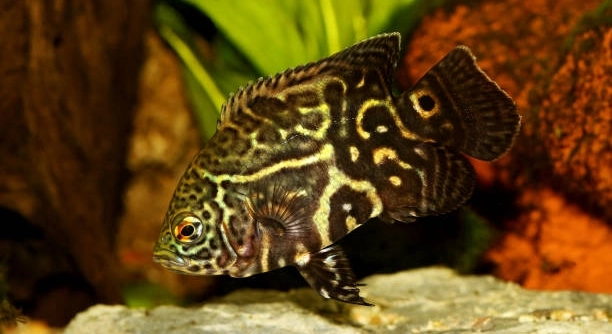
Oscar fish are known for their strong personalities and dramatic reactions to various stimuli. One common trigger is sudden movement. Understanding how these fish respond can help owners create a more peaceful environment for their pets.
Oscar fish tend to react strongly to sudden movements, displaying behavior such as darting, hiding, or becoming aggressive. These reactions are instinctual, often driven by their territorial nature and sensitivity to perceived threats in their environment.
Recognizing these behaviors can help you adjust your movements around your Oscar fish. With this knowledge, you can improve the overall environment and reduce stress for your aquatic pet.
Why Do Oscar Fish React to Sudden Movement?
Oscar fish are sensitive creatures that often react to sudden movements in their environment. This behavior is rooted in their natural instincts, as they are cautious by nature. When something moves unexpectedly, they can perceive it as a threat, which causes them to either hide or swim aggressively to protect their territory. Sudden movements can also be seen as a challenge to their dominance, especially if the fish feel their space is being invaded. Their sharp eyesight makes them very aware of their surroundings, and they are quick to react to any changes. These reactions can range from swimming quickly to the back of the tank to displaying defensive behavior. Understanding this reaction is key to creating a stable environment where your Oscar fish feels safe. The better you understand their behavior, the more you can adjust your actions to avoid triggering stress.
Oscar fish, while captivating, can easily become stressed by sudden changes. Knowing how to manage their environment can reduce unnecessary anxiety for your pet.
Maintaining a consistent, calm environment is important for Oscar fish. When moving around the tank or near it, try to move slowly and avoid abrupt gestures. Keeping the aquarium’s surroundings consistent and quiet can help minimize stress. Also, ensure the lighting is stable, as sudden light changes can cause agitation. The more predictable the surroundings, the less likely your Oscar fish will feel the need to react defensively. When you approach the tank in a gentle, calm manner, it can help the fish feel secure. A well-maintained, stable habitat allows for a better relationship with your pet and keeps their stress levels down.
How Does Stress Affect Oscar Fish Behavior?
When Oscar fish become stressed due to sudden movements or changes, their behavior can take a noticeable turn. They may swim frantically, become more aggressive, or even stop eating. These signs are ways of communicating their discomfort.
Stress affects the overall health of Oscar fish. They may develop issues such as fin rot, lethargy, or an increased susceptibility to diseases. The constant agitation from stress can weaken their immune system, making it harder for them to recover from any potential health problems. Moreover, this stress can lead to aggressive interactions with tank mates, as the fish may feel the need to defend themselves more vigorously. Providing a stable, predictable environment with minimal disruptions can significantly improve your fish’s behavior and health. The key to avoiding these issues is maintaining a calm approach when interacting with the fish and avoiding rapid, unexpected movements that can trigger their fight-or-flight response.
How to Reduce Stress in Oscar Fish
One of the best ways to reduce stress is by making gradual changes to their environment. Sudden shifts in lighting, temperature, or water conditions can trigger a negative reaction. Keeping things predictable and stable will go a long way in calming your Oscar fish.
Try to approach the tank slowly, avoiding any quick or jerky movements. This is especially important if you are feeding them or cleaning the tank. Slow, calm gestures help them feel less threatened. If possible, avoid sudden hand movements near the aquarium glass. You can also try to reduce any loud noises or vibrations in the room, which can startle the fish. Keeping your space peaceful and quiet helps maintain a stress-free atmosphere. The more comfortable your Oscar fish feels, the less they’ll react defensively.
To further reduce stress, consider the placement of the tank. Placing it in a quiet corner or away from areas with frequent movement can provide a more stable environment. Too much activity near the aquarium can increase the chances of your fish reacting to movement. Try to avoid unnecessary disturbances. The position of the tank will impact your fish’s ability to stay calm. Even the smallest changes, like moving a chair or passing by frequently, can influence your Oscar fish’s behavior. Once they feel safe in their environment, they are less likely to overreact to everyday activities.
Feeding Habits and Stress in Oscar Fish
Feeding plays an important role in the well-being of Oscar fish. Overfeeding or inconsistent feeding schedules can create unnecessary stress.
Establishing a regular feeding routine is crucial. Feeding your Oscar fish at the same time each day will help them feel secure. Avoid giving too much food at once, as it can lead to water quality issues, which in turn can affect the fish’s health. Overeating can also cause digestive problems and make the fish feel uncomfortable. It’s essential to monitor the amount of food you’re giving and ensure it’s appropriate for the size and number of fish in the tank.
A balanced diet is just as important as a consistent schedule. Be sure to offer a mix of high-quality flakes, pellets, and occasional live food to keep your Oscar fish healthy. Adding variety to their meals can also prevent boredom and reduce stress related to lack of stimulation. Some Oscar fish may have strong preferences, and observing their feeding habits can guide you toward a diet they enjoy and thrive on. Healthy feeding habits contribute to a happier and calmer fish, which reduces the likelihood of aggressive or anxious behaviors.
Tank Setup and Its Effect on Oscar Fish
The setup of the tank plays a significant role in the comfort of your Oscar fish. A well-designed environment helps reduce stress and ensures the fish feel secure.
Oscar fish require ample space, as they grow large and need room to swim freely. A 75-gallon tank is recommended for one fish. Overcrowding can lead to territorial disputes and stress. Additionally, provide plenty of hiding spots using rocks, plants, or decorations, which can give your Oscar fish places to retreat when they feel threatened. The water quality should also be monitored regularly, as poor water conditions can stress the fish. Keep the pH, temperature, and ammonia levels in check.
Water Temperature and Its Impact
The ideal water temperature for Oscar fish is between 74°F and 81°F. Sudden temperature changes can cause shock, making the fish more prone to stress.
Maintaining a stable temperature within this range is crucial for their well-being. Use a reliable heater to keep the water temperature consistent, especially during cooler months. Temperature fluctuations can stress Oscar fish and lead to illness. It’s important to regularly check the water with a thermometer to ensure it remains in the optimal range. A stable environment helps Oscar fish feel more comfortable and secure, reducing their chances of reacting aggressively to movement.
Lighting and Stress in Oscar Fish
Oscar fish are sensitive to light, and abrupt changes in lighting can trigger stress.
Use a gentle lighting system that mimics natural light cycles. Avoid harsh, bright lights, which can make Oscar fish feel uneasy or disoriented.
FAQ
Why do Oscar fish react aggressively to sudden movement?
Oscar fish are territorial and highly sensitive to changes in their environment. When they sense sudden movement, they often interpret it as a threat. Their natural instinct is to protect their space, so they may display aggressive behavior to defend themselves. This can include darting toward the movement or flaring their fins. It’s important to keep in mind that this aggression is typically out of fear or the need to establish dominance.
How can I calm my Oscar fish if they become stressed?
To calm your Oscar fish, maintain a consistent and stable environment. Avoid sudden changes in water temperature, lighting, and decorations. Approach the tank slowly and avoid fast, jerky movements. Reducing external noise and vibrations can also help create a calm atmosphere. Ensuring that the water quality is optimal can go a long way in making your Oscar fish feel safe. Also, remember that providing plenty of hiding spots can give them a place to retreat when they feel stressed.
Can tank mates cause stress for my Oscar fish?
Yes, tank mates can cause stress if they are not compatible with your Oscar fish. Oscars are known to be territorial and may not get along with smaller or more peaceful fish. Aggressive or fast-moving fish can also trigger stress. When choosing tank mates, make sure to pick fish that can coexist peacefully with Oscars. Larger fish that don’t challenge their authority are usually the best choice. Keep an eye on their interactions to ensure no one is bullying your Oscar.
How do I know if my Oscar fish is stressed?
Stressed Oscar fish often display specific signs, such as erratic swimming patterns, hiding excessively, loss of appetite, or lethargy. They may also develop physical signs like faded colors, torn fins, or abnormal swimming behavior. If you notice these changes, it’s important to evaluate their environment and make adjustments accordingly. Additionally, if your fish seems constantly agitated or is bullying other tank mates, it could be a sign of stress.
What are the best conditions for Oscar fish?
Oscar fish thrive in stable, well-maintained tanks with plenty of space. A tank of at least 75 gallons is recommended for one Oscar fish. The water temperature should be kept between 74°F and 81°F, with a pH range of 6.0 to 7.8. Good filtration is important to maintain clean water, as Oscars produce a lot of waste. They also appreciate hiding spots like rocks, plants, or caves to retreat to when needed. A calm, quiet environment is crucial for reducing stress.
What is the best way to feed my Oscar fish?
Feeding your Oscar fish at regular intervals and in the right amounts is essential. Overfeeding can lead to water quality problems and obesity, while underfeeding can cause malnutrition. A good mix of pellets, flakes, and occasional live or frozen food like shrimp or worms will provide variety and ensure a balanced diet. Try feeding them 1-2 times a day, adjusting the amount based on their size. Remove any uneaten food after 5-10 minutes to maintain water quality.
Is it normal for Oscar fish to be aggressive with each other?
Yes, it’s normal for Oscar fish to be aggressive with one another, especially when they are establishing dominance. This aggression can occur if there are multiple Oscars in the same tank, especially if the tank is too small or if there aren’t enough hiding spots. If aggression becomes excessive or leads to injury, it’s important to separate the fish or adjust the tank layout. Providing plenty of space and resources can help reduce fighting.
How often should I change the water in my Oscar fish tank?
Water changes are important for keeping your Oscar fish healthy. In a tank with an Oscar fish, it’s recommended to change 25-30% of the water every 1-2 weeks, depending on the size of the tank and the water quality. If the tank is heavily stocked or the water appears dirty, more frequent changes may be necessary. Always use a water conditioner to treat tap water and ensure the temperature matches the tank’s conditions. Regular water changes help prevent the buildup of toxins and keep your fish healthy.
Can Oscar fish live with other types of fish?
Oscar fish can live with other types of fish, but it depends on the species. They are territorial and can become aggressive, especially when they feel their space is threatened. Larger, more robust fish like Jack Dempsey cichlids, convicts, or larger catfish can make good tank mates. Avoid smaller or peaceful fish, as Oscars may see them as prey. Always monitor their interactions, and be prepared to separate aggressive fish if needed.
How can I prevent my Oscar fish from becoming too aggressive?
To reduce aggression in your Oscar fish, create a stable environment with plenty of space. Ensure the tank is large enough, with lots of hiding spots and territories. Avoid overcrowding and provide a peaceful setting free of disturbances. Some aggression may still occur, especially if the fish are young or still establishing dominance. However, a consistent environment can help manage these behaviors. It’s also important to provide compatible tank mates that can withstand the Oscar’s temperament.
What is the lifespan of an Oscar fish?
Oscar fish typically live for about 10-15 years if properly cared for. The lifespan of your fish depends on various factors, including water quality, diet, tank conditions, and general care. A well-maintained tank with stable water conditions, proper feeding, and minimal stress will help your Oscar fish live a long, healthy life. Regular monitoring and good tank management are key to extending their lifespan.
How can I tell if my Oscar fish is happy?
A happy Oscar fish will display healthy behavior like active swimming, eating well, and interacting with its environment. Healthy coloration and normal breathing are also good signs. If your Oscar fish is swimming confidently, exploring its surroundings, and not hiding excessively, it’s a good indication that it’s content. On the other hand, hiding all the time, losing color, or acting lethargic may indicate stress or illness.
What do I do if my Oscar fish is sick?
If you notice signs of illness, such as faded colors, fin rot, or abnormal behavior, isolate the fish in a hospital tank if possible. Assess the water quality and make any necessary changes to improve the environment. Common illnesses in Oscar fish include parasites, fungal infections, and bacterial infections. Consult a vet or fish expert for a proper diagnosis. Medications can help treat many conditions, but it’s important to address the root cause, whether it’s poor water quality, stress, or tank mates.
Final Thoughts
Oscar fish are fascinating creatures with strong personalities, but they require a bit of attention to stay healthy and happy. Understanding their natural behaviors, especially how they react to sudden movements, can help create a peaceful environment. By recognizing their sensitivity to changes in their surroundings, you can minimize stress and encourage more relaxed behavior. Ensuring that your Oscar feels safe in its environment is key to reducing aggression and other behavioral issues.
Taking care of Oscar fish goes beyond just feeding them and maintaining water quality. It involves setting up a stable tank environment, where factors like lighting, temperature, and water conditions remain consistent. Slow, calm movements when interacting with them can help prevent startling them. Providing hiding spots or territories within the tank can also reduce stress. Regular water changes and keeping the tank clean are important steps in ensuring your Oscar fish thrives. Keeping an eye on the fish’s behavior and adjusting the environment as needed is also crucial for maintaining their health and well-being.
By paying attention to your Oscar fish’s reactions and environment, you can improve its quality of life. With the right care, your Oscar fish will not only survive but thrive. A stable, calm environment helps your fish feel secure, reducing the likelihood of aggressive behavior and stress. The more predictable their environment is, the less likely they are to react to sudden movements or changes. Maintaining a balance between good tank setup, feeding habits, and gentle interaction will ensure that your Oscar fish stays healthy, happy, and stress-free for years to come.

Hello,
If you enjoy the content that we create, please consider saying a "Thank You!" by leaving a tip.
Every little bit helps us continue crafting quality advice that supports the health, happiness, and well-being of pets around the world, for pets of all shapes, sizes, and species.
We really appreciate the kindness and support that you show us!