
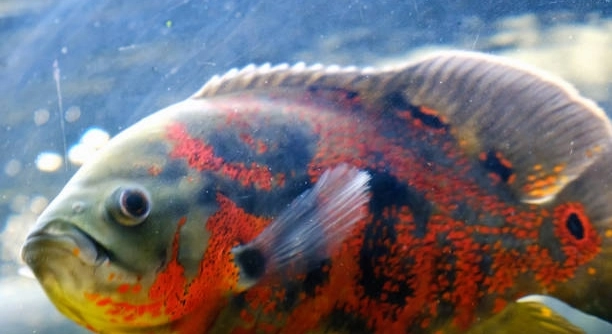
Oscar fish are known for their unique personalities and behaviors, but as they age, certain habits become more common. Understanding these changes is essential for maintaining a healthy environment for your fish. Aging Oscars may show noticeable shifts in their habits.
As Oscar fish mature, they tend to become less active and more territorial. This is a natural part of aging. Additionally, older Oscars may have a decreased appetite, leading to changes in feeding behavior. They might also exhibit more aggression.
Recognizing these common aging habits will help you provide better care for your Oscar fish. Understanding their behavior can ensure they stay healthy as they age.
Decreased Activity Levels in Aging Oscars
As Oscar fish get older, they often slow down. This decline in activity is natural and can be linked to a decrease in energy levels. Aging Oscars may no longer swim as actively or explore their tanks as much. While it’s normal for them to become less energetic, it’s important to observe their behavior. If their decrease in movement seems too drastic or happens suddenly, it may indicate underlying health issues such as poor water quality or other physical problems.
Oscars will spend more time resting in one spot as they age. This behavior may be noticed more in the later stages of life. While it’s normal, ensure their environment remains stimulating to prevent stress.
Maintaining a clean tank with plenty of hiding spaces will help prevent issues related to inactivity. Regular water changes and monitoring their diet can also support their well-being. Even though their energy levels decline, providing an enriched environment will keep your Oscar fish comfortable and happy.
Changes in Eating Habits
Aging Oscars often experience a decrease in appetite. As their metabolism slows, they may not eat as frequently or with the same enthusiasm. It’s essential to adjust their diet and feeding schedule accordingly.
Oscar fish may become pickier about the food they consume. Older Oscars may favor specific types of food over others, or they may eat smaller amounts. Make sure their food is nutrient-rich to compensate for any reduced intake.
If you notice significant changes in your Oscar’s eating habits, it may be worth consulting with a veterinarian. Aging Oscars may also have difficulty digesting certain foods, so offering smaller meals or softer foods may help. Monitoring their intake ensures they remain nourished and healthy.
Increased Aggression
As Oscar fish grow older, they can become more territorial and aggressive. This behavior is a common sign of aging. Their increased aggression often results from the desire to protect their space, especially if they feel threatened. Older Oscars may become more assertive in defending their territory from other fish or even from their owners.
It’s important to provide sufficient space for older Oscars. With fewer interactions from other fish, they might feel less stressed and display less aggression. Ensure that their environment is large enough for them to establish their own territory without causing unnecessary tension.
While aggression is a natural part of aging, it’s essential to manage it. You may need to reconsider tank mates for your Oscar fish. If possible, choose fish that won’t threaten their space and reduce stress. This can help minimize aggressive behaviors and maintain a calm environment.
Health Problems
Older Oscar fish may start showing signs of health issues that affect their behavior and well-being. These problems can include skin issues, changes in swimming patterns, or a decline in overall vitality. Aging Oscars are more prone to diseases due to their weaker immune systems.
Common health problems can include fungal or bacterial infections, which might be more difficult to treat in older fish. It’s crucial to monitor your Oscar closely, especially if there are noticeable changes in appearance or behavior. Consistently clean the tank and maintain water quality to prevent unnecessary health risks.
Be aware of your Oscar’s condition and respond quickly if health problems arise. While aging brings natural changes, early detection of health issues can improve the chances of effective treatment. Consult a veterinarian with experience in fish care if symptoms persist or worsen. Regular check-ups are helpful for ensuring your Oscar’s long-term health.
Change in Swimming Patterns
As your Oscar fish ages, you may notice changes in its swimming behavior. It might move slower or spend more time resting at the bottom of the tank. This change is natural and often results from reduced energy levels.
Aging Oscars may also swim in a more cautious manner, avoiding quick movements. While this can be a sign of aging, it’s important to monitor the fish closely. If its swimming becomes erratic or if it starts swimming upside down, it could indicate a health problem.
Reduced Social Interaction
Older Oscar fish tend to be less social, often spending more time alone. They may be less interested in interacting with other fish or their tank mates. This change is a natural part of aging.
This behavior could be due to physical changes or simply a shift in temperament. Reduced social interaction isn’t always a bad sign but can indicate a preference for solitude as they age. Ensure they still have a comfortable environment to thrive in, with plenty of hiding spaces and appropriate tank mates.
Changes in Appearance
As Oscars get older, their appearance may start to change. You might notice that they develop darker colors or their skin becomes more faded. Aging can also cause their fins and scales to appear worn down or frayed.
These changes are normal and happen to many fish as they age. While their physical appearance may not be as vibrant as before, it doesn’t necessarily mean something is wrong. Still, be mindful of any drastic changes that could indicate health issues. If you notice a significant change in their appearance, it’s always worth investigating further.
FAQ
What can I do to keep my Oscar fish active as it ages?
To keep your aging Oscar fish active, ensure it has enough space to swim and explore. Consider adding plants, rocks, or other tank decorations to provide environmental enrichment. A larger tank with a variety of hiding spots will also help. Try to maintain stable water conditions and offer a healthy diet. If your Oscar is less active, check for any health issues like illness or water quality problems, as these can cause lethargy.
How do I know if my Oscar fish is sick or just aging?
It can sometimes be hard to tell whether your Oscar is sick or simply showing signs of aging. Pay attention to changes in behavior, such as a sudden decrease in activity, loss of appetite, or difficulty swimming. If your fish also has physical changes like swollen areas, discoloration, or lesions, it could be sick. Aging Oscars may slow down naturally, but if you notice other signs of distress, it’s essential to consult a veterinarian or aquatic specialist.
What should I feed my older Oscar fish?
Older Oscars can have reduced appetites, so it’s important to feed them high-quality, nutrient-rich food. Opt for specially formulated pellets, as they offer balanced nutrition. You can also include frozen or live foods, like shrimp or worms, to entice your Oscar. Break their meals into smaller portions throughout the day to avoid overfeeding. Make sure to monitor their weight and adjust their diet as necessary.
Is it normal for an Oscar fish to become more aggressive as it ages?
Yes, it’s normal for Oscar fish to become more aggressive as they age. As their territory instincts become stronger, they may defend their space more aggressively, even toward other tank mates. While some aggression is natural, it’s important to ensure your tank is large enough and that the other fish can handle the aggression. If the aggression becomes excessive, you may need to remove or rearrange other tank mates to prevent harm.
What is the best tank size for an aging Oscar?
As Oscars age, they still need a spacious tank to thrive. A minimum of a 75-gallon tank is recommended for a single adult Oscar, but larger tanks are always better. Aging Oscars may not be as active as younger ones, but they still need room to move and establish their own territory. A well-maintained tank with plenty of hiding spots will help keep your fish comfortable and reduce stress.
Do older Oscar fish require special care?
Older Oscars don’t need a drastically different care routine, but they may need more attention to their health. Their immune systems weaken as they age, making them more vulnerable to infections. Regular water changes, maintaining proper water quality, and feeding a balanced diet are essential. You should also monitor their behavior for any signs of stress or illness. Adjust their environment as needed to ensure they’re comfortable and stress-free.
How can I tell if my Oscar is stressed?
Oscar fish may show signs of stress through changes in their behavior or physical condition. Stress can cause them to become more aggressive, or alternatively, more withdrawn. They may swim erratically or spend more time at the bottom of the tank. Physical signs of stress include faded colors or damaged fins. If you suspect stress, check for environmental factors like poor water quality, overcrowding, or incompatible tank mates, and make necessary adjustments.
Can Oscars live with other fish as they age?
As Oscar fish age, their tolerance for tank mates may decrease. They are naturally territorial, and as they grow older, they may become less tolerant of other fish in their space. It’s best to keep Oscars with large, hardy fish that can handle their aggression. Avoid keeping them with smaller fish, as they might become prey. If aggression becomes a problem, you might need to re-evaluate their tank mates.
How often should I clean the tank of an aging Oscar?
Cleaning the tank of an aging Oscar should be done regularly, but not too frequently to avoid disrupting the environment. Perform partial water changes of 25-30% once a week to keep the water clean. Ensure that the filter is working efficiently to help maintain good water quality. Additionally, clean the substrate and remove any debris that may accumulate. Overcleaning can stress your fish, so be sure to balance tank maintenance with their comfort.
Can my Oscar fish still breed as it gets older?
As Oscars age, their ability to breed may decrease. Older fish typically lose interest in mating, and their reproductive capabilities can diminish. However, some Oscars may continue to breed well into their later years. If you’re interested in breeding, make sure you’re providing a suitable environment, including proper water conditions and adequate space. Keep in mind that older Oscars might not produce as many offspring as younger ones, and the process may be slower.
How can I help my aging Oscar stay healthy?
The key to keeping your aging Oscar healthy lies in proper care. Maintain a stable tank environment with clean water and the right temperature. Feed them a varied, high-quality diet to ensure they get all the nutrients they need. Regularly monitor their behavior for signs of stress or illness, and address any issues promptly. Finally, provide them with plenty of space and hideouts to reduce stress, as aging Oscars can be more sensitive to changes in their surroundings.
Final Thoughts
Caring for an aging Oscar fish can require extra attention and patience, but it’s a rewarding experience. As Oscars grow older, their behavior and physical appearance can change, which is completely natural. Recognizing these changes early can help you adjust their environment to keep them comfortable. Even though their activity may decrease and their aggression might increase, with the right care, older Oscars can still thrive and live long, healthy lives. Regular maintenance of the tank and a healthy diet are essential in keeping them happy.
It’s important to stay on top of their health as they age. Older Oscars are more susceptible to stress and illness, so paying attention to their behavior, appearance, and appetite is crucial. Monitoring water quality, maintaining stable tank conditions, and keeping their tank clean can prevent many common health issues. Additionally, adjusting the tank to suit their slower swimming habits and decreased social tendencies can help reduce stress and make them feel at ease in their environment.
Ultimately, providing your aging Oscar with the proper care will ensure they live comfortably in their later years. This includes giving them enough space, offering a variety of foods, and keeping an eye on their overall well-being. While aging brings changes, these fish can still bring joy and beauty to your aquarium for many years. With a little effort and attention, your Oscar can continue to enjoy life as it ages, allowing you to appreciate their unique personality for as long as possible.

Hello,
If you enjoy the content that we create, please consider saying a "Thank You!" by leaving a tip.
Every little bit helps us continue crafting quality advice that supports the health, happiness, and well-being of pets around the world, for pets of all shapes, sizes, and species.
We really appreciate the kindness and support that you show us!