
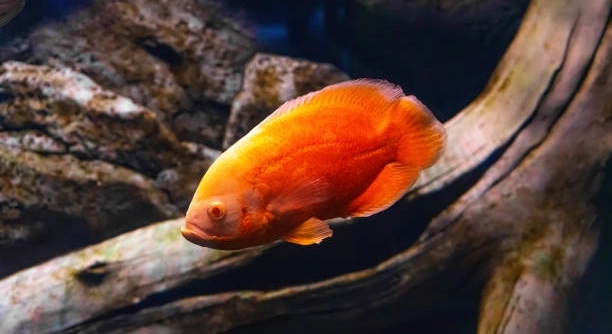
Oscar fish are known for their vibrant colors and strong personalities. However, their behavior can change from time to time, which may confuse or worry owners. Understanding these shifts is key to keeping them happy and healthy.
Oscar fish exhibit a range of behavioral changes, including aggression, hiding, or altered swimming patterns. These changes can signal various factors such as stress, illness, or environmental issues, and it’s important to observe them closely to ensure their well-being.
Recognizing the underlying reasons behind your Oscar fish’s behavior can be insightful. These changes often have an explanation that can be addressed for a happier, healthier fish.
1. Oscar Fish Hiding More Than Usual
Oscars are typically social and active, but when they start hiding more than usual, it could indicate something is off. This change may happen if the fish feels threatened, stressed, or uncomfortable in its environment. It might also be a sign of illness, as fish often seek solitude when they don’t feel well. Oscars prefer a consistent and calm habitat, so any disruptions in their tank’s environment can cause them to retreat.
It’s important to check the water parameters, such as temperature, pH levels, and ammonia, as poor water quality can stress your Oscar.
If hiding becomes a pattern, it’s worth observing other behaviors. Look for signs like poor appetite, lethargy, or erratic swimming, which may confirm health issues. In some cases, stress from tank mates can also lead to this behavior. If this happens, consider separating the Oscar to provide a calmer environment and allow it to recover.
2. Aggressive Behavior and Flaring Fins
Aggression is typical for Oscars, but extreme or sudden aggression can be a cause for concern. If your Oscar becomes unusually territorial or aggressive toward tank mates, it could be a sign of stress, overcrowding, or the presence of an intruder. Aggression can also occur if your fish is feeling threatened by the tank environment or another Oscar.
Overcrowding can cause increased aggression because fish feel the need to defend their space. It’s important to ensure the tank has enough room and hiding spots for each fish. Some Oscars may also get more aggressive during their breeding season. Pay attention to their behavior when the tank’s lighting and temperature are adjusted, as this can trigger hormonal changes.
If aggression increases to the point of injury, it’s best to separate aggressive fish from others. In some cases, providing more hiding spots and rearranging the tank might help alleviate tension. Keeping the water clean and stable will also reduce the chance of heightened aggression.
3. Reduced Appetite or Not Eating
If your Oscar fish is suddenly refusing to eat, it could be a sign of stress or illness. Oscars are usually eager feeders, so a lack of appetite may indicate something isn’t right. A sudden change in diet or water conditions might cause this behavior.
You should first check the water quality, as poor water conditions are one of the main reasons fish lose their appetite. Ensure the tank is clean, with balanced pH levels and correct temperatures. If the water quality is optimal, consider whether other stress factors, like tank mates or overcrowding, might be causing anxiety.
If the problem persists, it might be a health issue like internal parasites or a bacterial infection. It’s best to observe your Oscar closely for any other signs of illness, such as lethargy or unusual swimming patterns. If you notice these, consult a vet specializing in fish to address the problem.
4. Unusual Swimming Patterns
Oscars are known for their graceful movements in the tank, but if you notice irregular swimming, there may be an underlying issue. This could range from swimming in circles, bumping into objects, or darting erratically around the tank. It could be due to stress, disease, or changes in the water quality.
Stress, such as overcrowding or incompatible tank mates, might cause Oscars to swim aimlessly. Fish that are stressed may also show signs of poor coordination. If swimming becomes more erratic, it’s time to check the tank’s water parameters and make adjustments.
Infected fish sometimes swim in strange patterns as they try to cope with discomfort. Observe your Oscar carefully for any other symptoms, like discoloration or external wounds. Treating the water and maintaining a stable environment is critical to reducing such behavior. If the fish shows signs of injury or illness, separate it from others to prevent further stress.
5. Flashing or Scratching Against Objects
If your Oscar fish starts rubbing against objects or rocks in the tank, it could be a sign of skin irritation or parasites. Flashing is a common symptom of external parasites like Ich, which cause itching and discomfort.
This behavior is a reaction to the irritation caused by parasites or injury. Check for visible signs on the fish’s body, like white spots or redness. If you notice these, it’s important to treat the tank with a medication designed for external parasites.
Isolate the affected fish if needed and ensure the rest of the tank is clean to prevent the spread of infection.
6. Change in Coloration
Oscars are known for their bright and vibrant colors, but a sudden shift in color can indicate stress or illness. Dull or faded colors may be a sign that something is wrong, such as water quality issues or poor health.
A decrease in vibrancy is often linked to poor water quality, so make sure your tank has the correct pH levels, ammonia, and nitrate levels. Additionally, stress from changes in the environment or aggressive tank mates can cause a loss of color.
If your Oscar’s color returns to normal after adjusting water conditions or reducing stress, this was likely the cause. However, if the issue persists, it may be related to a health problem. A vet consultation can help rule out disease.
7. Breeding Behavior
Breeding can cause significant behavioral changes in Oscars, as they become more territorial and protective. During this time, they might chase other tank mates away and rearrange objects in their environment to create a suitable breeding area.
If you have male and female Oscars, you may notice more aggressive behavior as they establish their territory. The male may display more intense colors, while the female might show signs of preparing to lay eggs. Keep a close watch for any signs of aggression, as fights can sometimes break out between tank mates.
Ensure the tank is large enough to allow space for the fish to maintain their territory and avoid stress. Providing plenty of hiding spots will give the fish the chance to retreat if needed.
FAQ
1. Why is my Oscar fish constantly hiding?
If your Oscar fish is hiding more than usual, it could be due to stress, illness, or water quality issues. Oscars tend to retreat to hiding spots when they feel threatened, uncomfortable, or unwell. Ensure the water quality is optimal—check for ammonia, nitrate levels, and pH balance. If the fish is in a tank with aggressive tank mates, the stress of constant interaction could lead to hiding as well. Additionally, sudden changes in temperature or water conditions can also trigger hiding behavior. Keep the tank environment stable and consider reducing stress factors. If hiding continues for a long period, look for other signs of illness, such as loss of appetite or strange swimming patterns.
2. How can I tell if my Oscar fish is stressed?
Stressed Oscars often show specific signs such as erratic swimming, loss of appetite, or hiding more than usual. They may also become more aggressive, especially towards tank mates. Poor water quality, overcrowding, and sudden changes in their environment can trigger stress. It’s crucial to monitor the water temperature, pH, and ammonia levels regularly. Stress can lead to weakened immune systems, making them more susceptible to disease. If your Oscar shows signs of stress, addressing the water conditions and tank environment can help them recover and feel more secure.
3. What should I do if my Oscar stops eating?
If your Oscar is not eating, check the water quality immediately. Oscars are sensitive to poor water conditions, and even slight changes can cause them to lose interest in food. Make sure the temperature, pH, and ammonia levels are stable and within the ideal range for your fish. Stress from aggressive tank mates or overcrowding can also lead to a loss of appetite. If the water is fine and the stress factors are minimized, consider the possibility of illness, such as internal parasites or bacterial infections. In this case, seek advice from a vet specializing in fish. If the issue persists for an extended period, it’s important to take action before the fish’s health deteriorates further.
4. How do I treat my Oscar fish for parasites?
If your Oscar fish shows signs of external parasites, such as flashing, rubbing against objects, or visible spots on the skin, it’s essential to act quickly. External parasites like Ich (white spot disease) are common in aquarium fish. To treat this, you can use aquarium-safe medications specifically designed to treat parasites. These can usually be found at pet stores or online. Make sure to follow the instructions carefully, as the treatment may involve adjusting the water temperature or using specific medications for a set period. It’s also crucial to quarantine any affected fish to avoid spreading the parasite to others in the tank. If you are unsure about the treatment, consulting with a vet is a good step.
5. Can my Oscar fish live with other fish?
Oscars are known for their territorial nature and can be aggressive towards smaller or more passive fish. They may do fine with larger, similarly aggressive species, but it’s crucial to consider the tank size and the individual personalities of the fish. If you’re introducing new fish, be mindful of the Oscar’s behavior, as it may become more territorial and aggressive. To minimize conflict, ensure that the tank has plenty of hiding spots and space for all the fish. If aggression becomes severe, it’s better to separate the fish to prevent injury.
6. How often should I feed my Oscar fish?
Oscar fish should be fed once or twice a day, depending on their age and activity level. Young Oscars may need more frequent feeding to support their growth, while adults can usually be fed once daily. It’s important to provide a balanced diet that includes both protein and vegetables. Overfeeding can lead to water quality issues and health problems for your fish. Offer small amounts of food that your Oscar can consume in about 3 to 5 minutes, and avoid leaving uneaten food in the tank, as it will degrade the water quality.
7. Why is my Oscar fish’s color fading?
Color fading in Oscars is often linked to stress or poor water quality. When Oscars are stressed, they may lose their vibrant colors and become dull or pale. Check the tank’s water quality, as unstable conditions can contribute to this issue. Stress from aggressive tank mates or lack of hiding spots can also cause color loss. If the water quality is good and the fish’s environment is calm, a faded color may be related to illness, such as parasites or infection. Make sure the Oscar has a proper diet and optimal living conditions to help bring its color back.
8. What is the best tank size for an Oscar fish?
Oscar fish grow large, often reaching up to 12-14 inches in length, so a spacious tank is necessary. The minimum tank size for a single adult Oscar should be 75 gallons, though larger tanks are even better. A bigger tank allows for adequate swimming space and helps maintain water quality. If you have more than one Oscar, you will need a larger tank to avoid territorial disputes and ensure each fish has enough space. Proper filtration is also essential to handle the increased waste in a larger tank.
9. How can I tell if my Oscar fish is pregnant?
If you have a female Oscar and notice changes in behavior, she might be preparing to lay eggs. Pregnant Oscars often become more territorial and aggressive, as they look for a suitable spot to lay their eggs. The female may also appear fuller around her abdomen. A male Oscar will become more vibrant and display courting behavior. If you see these signs, it’s important to ensure that the tank provides a safe and secure space for breeding. Adding hiding spots and creating territories can help reduce stress and ensure a more successful breeding process.
10. How do I prevent my Oscar fish from being aggressive?
While Oscars are naturally aggressive, you can reduce their aggression by providing a large tank with plenty of hiding spots. Tank mates should be similar in size to your Oscar to avoid them being bullied. If your Oscar is acting aggressively toward another fish, consider removing one from the tank temporarily. Also, be mindful of overcrowding, as this can increase aggression. Regular water changes and a stable environment will help your Oscar feel more secure, reducing stress and the likelihood of aggressive behavior.
Final Thoughts
Oscar fish are beautiful and fascinating creatures, but their behavior can sometimes be tricky to understand. They are highly sensitive to changes in their environment, and even small adjustments can lead to noticeable shifts in their actions. Whether it’s a change in swimming patterns, loss of appetite, or more aggressive behavior, these signs are usually a response to stress, illness, or environmental factors. By paying close attention to their behavior and maintaining stable water conditions, you can help ensure that your Oscar stays healthy and comfortable in its tank.
Understanding the reasons behind your Oscar fish’s behavior is crucial for their well-being. Regular monitoring of the water quality and keeping the tank environment calm are the best ways to prevent stress-related issues. If you notice any changes in behavior, like hiding or aggression, it’s important to assess the situation quickly. Make sure the tank isn’t overcrowded and that there are plenty of hiding spots for the fish. In many cases, adjusting the tank setup can alleviate stress and help your Oscar feel more at ease. If the behavior persists, it may be worth consulting with an aquarium specialist or vet to address any potential health concerns.
Overall, Oscars are resilient fish, but their behavior is a clear indicator of how they’re feeling. Whether it’s adapting to a new tank or dealing with illness, these fish are capable of bouncing back when given the proper care. By observing their behavior closely and acting quickly when needed, you’ll be able to provide a better environment for your Oscar, allowing them to thrive. Their unique personalities and vibrant colors make them a joy to own, and with a little attention, they can remain happy and healthy for years.

Hello,
If you enjoy the content that we create, please consider saying a "Thank You!" by leaving a tip.
Every little bit helps us continue crafting quality advice that supports the health, happiness, and well-being of pets around the world, for pets of all shapes, sizes, and species.
We really appreciate the kindness and support that you show us!