
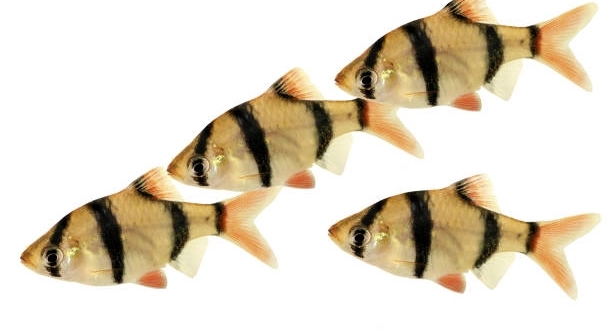
Tiger Barbs are colorful and active fish often kept in home aquariums. When it comes to spawning, they show some unusual behaviors that can surprise even experienced hobbyists. These odd actions help them during the breeding process.
Tiger Barbs display several distinct behaviors when spawning, including chasing, fin nipping, and digging in the substrate. They may also show heightened aggression and frequent swimming patterns to stimulate mating and protect their eggs.
These behaviors might seem strange at first, but understanding them can improve how you care for your fish during breeding. Knowing what to expect will help create a better environment for successful spawning.
Chasing and Fin Nipping
During spawning, Tiger Barbs often chase each other around the tank. This chasing is a way for the males to show dominance and court the females. It may look aggressive, but it is a natural part of their breeding behavior. The males sometimes nip at the females’ fins to get their attention. This fin nipping can seem harsh, but it helps trigger the spawning process. They also chase away other fish to reduce distractions and protect their mating area. While this behavior is normal, it can cause stress if the tank is too small or crowded. Providing enough space and hiding spots can help reduce tension during this active period.
Male Tiger Barbs use chasing and fin nipping to stimulate spawning. It helps establish dominance and encourages females to release eggs.
Watching these behaviors can give insight into the breeding status of your fish. It’s important to balance tank conditions to keep aggression at a manageable level. Proper tank size and decorations help fish feel secure. If the chasing becomes too intense, separating the fish temporarily may be needed. Knowing when and why this happens makes caring for Tiger Barbs easier and more rewarding.
Digging in the Substrate
Tiger Barbs often dig or disturb the tank substrate during spawning. This action helps prepare a place for the eggs and may also signal readiness to mate. Digging can sometimes look like aggressive behavior, but it serves a practical purpose. They move gravel or small stones to create a suitable environment for the eggs to be laid and protected. This behavior shows that the fish are actively preparing for spawning. Owners might notice the substrate looking disturbed or scattered more than usual. It is helpful to have a soft and fine substrate to make digging easier and safer for the fish and eggs.
Providing a proper substrate encourages natural digging behavior and supports successful breeding.
Understanding this digging behavior allows better tank management during spawning. Keeping the substrate clean and appropriate for Tiger Barbs promotes healthy egg laying. Avoid using sharp or rough gravel that could harm the eggs or fish. Adding plants or decorations around the digging area can give the fish comfort and reduce stress. Observing this digging also helps confirm when spawning activity is happening, so you can provide extra care if needed.
Increased Aggression
Tiger Barbs become noticeably more aggressive when spawning. This behavior helps protect their territory and eggs from other fish in the tank.
The rise in aggression is mainly due to competition between males. They defend their chosen spawning spots and try to keep rivals away. This can lead to chasing, biting, and even short fights. It’s important to monitor the tank during this time to prevent injuries. Keeping enough space and providing hiding spots can reduce conflicts. If aggression gets too intense, temporarily separating the fish may be necessary to avoid harm.
This aggressive behavior is natural but requires careful management. Proper tank setup helps reduce stress and keeps the fish healthy during spawning.
Frequent Swimming Patterns
Tiger Barbs swim more actively and often in repetitive patterns when spawning. These movements signal readiness and encourage mating behavior in their partners.
Increased swimming also helps spread pheromones and stimulates the release of eggs and sperm. The males tend to swim in tight circles around the females or dart quickly near the substrate. This activity can last several hours or days. Maintaining good water quality and proper temperature supports this natural behavior. Observing these swimming patterns allows you to know when spawning is happening, so you can prepare for egg care or tank adjustments.
Watching how Tiger Barbs swim during spawning helps you better understand their breeding needs. It also highlights the importance of a stress-free environment to encourage successful reproduction.
Egg Guarding
After spawning, Tiger Barbs sometimes guard their eggs carefully. This behavior helps protect the eggs from being eaten by other fish.
The parents stay close to the eggs, fanning them with their fins to keep them clean and well-oxygenated. This guarding period lasts until the eggs hatch, usually a couple of days.
Sudden Color Changes
Tiger Barbs may change colors briefly during spawning. Their colors often become brighter or more intense.
This color change helps signal readiness to mate and can also intimidate rivals nearby.
Resting Between Spawning
Tiger Barbs often rest quietly after spawning episodes. This rest helps them recover energy for the next round of spawning or normal activity.
What causes Tiger Barbs to chase each other during spawning?
Chasing is a natural behavior in Tiger Barbs during spawning. Males chase to show dominance and court females. This helps establish a breeding hierarchy and encourages the females to release eggs. The chasing also drives away other fish that could disturb the spawning process. Although it can seem aggressive, it is part of how Tiger Barbs prepare to mate. Proper tank size and hiding spots help reduce stress caused by chasing. If the tank is too small, chasing may become harmful and lead to injuries.
How does fin nipping affect the spawning process?
Fin nipping between Tiger Barbs helps trigger the spawning behavior. Males nip the fins of females to get their attention and stimulate egg release. This action may look rough but plays a key role in mating readiness. However, excessive fin nipping can stress the fish, especially in crowded tanks. Ensuring enough space and visual barriers can lower the intensity of this behavior. Monitoring the fish during spawning can help prevent injury caused by fin nipping.
Why do Tiger Barbs dig in the substrate when spawning?
Digging in the substrate is a way for Tiger Barbs to prepare a safe place for their eggs. Moving gravel or sand creates a suitable area for eggs to stick and stay protected. This behavior is part of their natural breeding instinct. A soft and fine substrate is best because it’s easier for the fish to move and safer for the eggs. Disturbed substrate often indicates spawning activity. Providing plants or decorations near the digging site offers shelter and reduces stress during this time.
Is increased aggression normal among Tiger Barbs during spawning?
Yes, increased aggression is common during spawning. Males compete to protect their territory and secure mates. This leads to chasing, biting, and short fights. Such behavior helps keep rivals away and increases chances of successful breeding. Aggression can be managed by giving the fish enough space and hiding spots. If it becomes too intense, separating some fish temporarily may be necessary. Watching the tank closely during spawning helps prevent injury and stress.
How does frequent swimming help Tiger Barbs during spawning?
Frequent and repetitive swimming patterns encourage mating by signaling readiness and spreading pheromones. Males swim near females to stimulate egg and sperm release. This swimming activity also strengthens pair bonding and keeps the fish active during the breeding period. Maintaining good water quality and temperature supports these natural movements. Noticing these swimming behaviors allows owners to recognize when spawning is occurring and prepare the tank accordingly.
What does egg guarding look like in Tiger Barbs?
Egg guarding means the parents stay near the eggs to protect them. They fan the eggs with their fins to keep them clean and oxygenated. Guarding lasts until the eggs hatch, which usually takes a couple of days. This behavior helps increase the survival rate of the eggs by deterring other fish or threats. Sometimes both parents share guarding duties. Providing a safe environment with minimal disturbance supports this protective behavior.
Why do Tiger Barbs change color during spawning?
Color changes signal mating readiness and help intimidate rivals. During spawning, Tiger Barbs’ colors may become brighter or more vivid. This visual cue attracts mates and asserts dominance. Color intensity varies between individuals and can change quickly during courtship. Color shifts are temporary and return to normal after spawning. These changes help communicate reproductive status without direct aggression.
How important is resting for Tiger Barbs after spawning?
Resting allows Tiger Barbs to recover energy after the effort of spawning. Spawning requires active chasing, swimming, and guarding, which can be tiring. Quiet rest helps maintain their health and prepares them for future spawning or regular tank life. Ensuring a calm environment with low stress during rest periods benefits the fish. Avoid disturbing the tank unnecessarily to support their natural recovery process.
What tank conditions best support Tiger Barbs during spawning?
Clean water, proper temperature, and enough space are essential. Temperatures between 75–79°F (24–26°C) encourage spawning. A soft substrate helps with digging and egg laying. Adding plants or decorations offers hiding spots to reduce stress and aggression. Regular water changes maintain cleanliness, which improves egg survival. Avoid overcrowding to prevent excessive chasing and injuries. Keeping these conditions steady supports natural spawning behaviors and healthier fish.
Can Tiger Barbs spawn successfully in a community tank?
It is possible but challenging. Aggression during spawning may stress or harm other tank mates. Chasing and fin nipping can upset peaceful fish. Providing plenty of hiding places and a large tank helps reduce conflict. Some owners use breeding tanks to separate Tiger Barbs during spawning. This ensures better egg survival and protects other fish. Monitoring behavior closely is important if attempting to breed in a community setup.
Tiger Barbs show many interesting behaviors when they spawn. These behaviors include chasing, fin nipping, digging, and guarding eggs. Each action plays a role in helping the fish breed successfully. While some of these behaviors might seem aggressive or strange, they are natural for Tiger Barbs. Understanding these actions can help fish keepers better care for their fish during this important time. When you know what to expect, it is easier to provide the right environment and reduce stress for your fish.
Providing a proper tank setup is key to supporting Tiger Barbs during spawning. This includes having enough space so the fish do not feel crowded, a soft substrate to allow digging, and plenty of hiding spots. Clean water and a stable temperature also improve spawning success. Sometimes, aggressive behavior increases, so keeping an eye on the fish and intervening if necessary can prevent injuries. Separating fish temporarily can be helpful if the aggression becomes too much. A well-prepared tank helps the fish feel safe and ready to spawn naturally.
Watching Tiger Barbs during spawning can be both exciting and educational. Their odd behaviors show how fish communicate and protect their eggs. Knowing these behaviors helps with recognizing when spawning is happening and how to support it. Taking care of Tiger Barbs during spawning means offering a calm environment, proper tank conditions, and understanding their natural instincts. This care will lead to healthier fish and better chances of successful breeding. It also makes the experience of keeping Tiger Barbs more rewarding and enjoyable.

Hello,
If you enjoy the content that we create, please consider saying a "Thank You!" by leaving a tip.
Every little bit helps us continue crafting quality advice that supports the health, happiness, and well-being of pets around the world, for pets of all shapes, sizes, and species.
We really appreciate the kindness and support that you show us!