
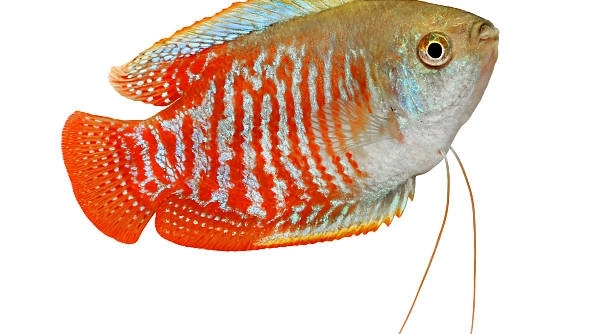
Gouramis are known for their vibrant colors and graceful swimming, but sometimes they develop unusual behaviors in the aquarium. These habits can range from harmless quirks to actions that puzzle even experienced fish keepers. Observing these oddities can be fascinating.
Gouramis sometimes pick up peculiar tank habits due to environmental factors, social interactions, or stress. Repeated behaviors such as bubble nest building in unusual places, chasing tankmates, or exploring objects serve as adaptive responses to their surroundings.
Recognizing these habits early helps maintain a healthy and balanced aquarium environment. Understanding why gouramis act differently can improve their well-being and interactions with other fish.
Bubble Nests in Unusual Places
Gouramis are famous for their bubble nests, but sometimes they build them in unexpected areas of the tank. Instead of the usual floating plants, they may create nests near decorations, filter intakes, or even the water surface near the tank walls. This behavior can be puzzling, especially for new owners. The fish are instinctively protecting potential offspring, even if there is no mate present. Environmental conditions such as water temperature, cleanliness, and available space can influence where the nest is built. Some gouramis will keep adding bubbles to the same spot until it becomes a noticeable mound. While it may seem odd, this is a natural expression of their breeding instincts. Observing where and how your gourami builds its nest can give you insight into its comfort and stress levels. Adjusting tank conditions may help guide the behavior to more suitable locations.
Bubble nests in strange areas are a sign of instinct, not a problem with your fish.
Monitoring the tank and providing floating plants or calm surfaces can encourage proper nest building. Consistent water parameters and minimal disturbances help gouramis feel secure, reducing stress-driven odd placements. By understanding these behaviors, owners can support their fish’s natural habits while keeping the aquarium organized. Attention to detail and small adjustments often prevent nests from becoming obstructive or damaged.
Chasing Tankmates
Chasing tankmates can start as playful interaction but sometimes becomes obsessive.
This behavior usually stems from territorial instincts or establishing dominance. Male gouramis, in particular, may chase other males or similarly sized fish to assert control. Environmental factors like tank size, hiding spaces, and population density affect how often this occurs. Providing sufficient cover and spreading out decorations can reduce tension. Watching for aggressive tendencies ensures the fish coexist peacefully.
If chasing becomes persistent, it may stress other fish, leading to injuries or health issues. Owners should evaluate tank composition, ensuring compatible species and balanced male-to-female ratios. Providing enrichment, such as floating plants or leaf litter, gives the fish alternative areas to explore and reduces confrontation. Separating overly aggressive individuals can prevent harm, maintaining harmony. Observing behavior over time reveals patterns, allowing proactive adjustments to minimize stress. Balanced feeding schedules and hiding spots also help reduce aggression. Understanding why gouramis chase allows you to maintain a calm and healthy aquarium environment.
Hiding in Decorations
Gouramis often retreat into decorations, even during the day. This behavior may seem odd, but it is usually a response to stress or a need for privacy.
Frequent hiding can indicate that the fish feels unsafe or is overwhelmed by tankmates. Providing adequate cover, such as caves, plants, or driftwood, helps them feel secure. It is normal for gouramis to explore these areas quietly, and they may only come out when the tank is calm or feeding begins. Sudden changes in lighting or tank layout can trigger more hiding. Observing how long and how often your fish hides gives insight into its comfort level. Gradual acclimation to new additions or changes can reduce this behavior and promote confidence in their environment.
Hiding can also be a natural part of their daily routine. Some gouramis prefer solitude and may choose decorations as resting spots. Maintaining a balance between open swimming areas and safe hiding spaces ensures they remain active without feeling threatened. Consistent feeding routines and minimal disturbance encourage them to explore more frequently while still having private areas to retreat to when needed.
Fin Nipping
Fin nipping occurs when gouramis bite or nip at other fish’s fins. It is often a display of dominance or boredom.
This behavior can escalate if the tank is overcrowded or lacks enrichment. Providing more space and introducing plants or floating objects reduces the frequency of fin nipping. Incompatible tankmates can worsen aggression, so observing interactions is key.
Owners should monitor any signs of damage, as torn fins can lead to infections. Separating aggressive individuals temporarily or permanently may be necessary to protect others. Ensuring a balanced diet and proper nutrition also helps reduce stress-induced nipping. Maintaining water quality and stable conditions minimizes irritability, while regular observation allows prompt action to prevent serious injuries. Adjustments in tank setup and population balance often result in calmer, more harmonious behavior.
Surfacing for Air
Gouramis frequently swim to the water surface to gulp air. This is normal behavior since they have a labyrinth organ that allows them to breathe atmospheric oxygen.
Excessive surfacing, however, may indicate low oxygen levels or poor water quality. Ensuring proper aeration and regular maintenance keeps the tank healthy.
Following the Owner
Gouramis often follow movements outside the tank. This behavior shows curiosity and recognition, as they associate humans with feeding and interaction. Observing their response can be both entertaining and informative about their personality.
Resting in Unusual Spots
Gouramis sometimes rest in corners, on plants, or near equipment. These spots provide comfort and a sense of security. It is important to leave these areas undisturbed so the fish can maintain their routine without stress.
Why does my gourami build bubble nests even without a mate?
Gouramis build bubble nests instinctively, regardless of the presence of a mate. This behavior is driven by their breeding instincts and hormonal cycles. Even in a single-specimen tank, a male gourami may create a nest as part of natural reproductive behavior. The size and location of the nest can vary depending on tank conditions, water temperature, and available floating surfaces. While it may seem unnecessary, this activity is normal and does not harm the fish. Owners can observe the nests without concern, but if the nest interferes with filtration or decorations, gently relocating floating objects can help.
Why is my gourami chasing other fish constantly?
Chasing is usually linked to territorial behavior or establishing dominance. Male gouramis are more prone to this, particularly when other males or similarly sized fish are present. Overcrowded tanks or lack of hiding spaces can increase aggression. Adding plants, decorations, or floating objects creates barriers and reduces direct confrontation. Observing interactions closely allows owners to identify aggressive individuals early. If chasing leads to fin damage or stress, separating the aggressive fish may be necessary. Providing sufficient space and maintaining a balanced population helps minimize dominance-related behaviors, keeping the aquarium peaceful and safer for all inhabitants.
Why does my gourami hide most of the time?
Hiding is a natural behavior that provides security. Gouramis retreat into plants, caves, or decorations when they feel stressed or overwhelmed. Changes in tank conditions, lighting, or sudden movements can trigger this. Frequent hiding may indicate that the fish is adjusting to its environment or that tankmates are causing stress. Offering ample cover and creating quiet zones allows the fish to feel safe. Over time, as the gourami becomes comfortable, it will explore more openly. Consistent feeding routines and minimal disturbance also encourage active behavior while respecting the fish’s need for privacy.
Why does my gourami nip at the fins of other fish?
Fin nipping often stems from boredom, territorial instincts, or incompatible tankmates. When fish feel confined or lack enrichment, they may display aggression toward other species. Monitoring tank dynamics is important to prevent injuries. Adding plants, hiding spaces, and visual barriers can reduce stress and give fish areas to retreat. Observing dietary habits ensures the gourami is receiving proper nutrition, as underfed or stressed fish are more likely to nip. Temporary separation of aggressive individuals can protect other tankmates. Over time, maintaining water quality, sufficient space, and enrichment minimizes fin nipping and promotes a more peaceful community.
Why is my gourami surfacing frequently for air?
Gouramis have a labyrinth organ that allows them to breathe atmospheric oxygen, so surfacing is normal. However, excessive surfacing can indicate low oxygen levels or poor water conditions. Check aeration, water temperature, and overall cleanliness. Maintaining proper water quality, regular changes, and ensuring enough dissolved oxygen helps your gourami remain comfortable and healthy. Minor adjustments like adding floating plants or reducing surface agitation can encourage natural breathing behavior while keeping the tank environment stable.
Why does my gourami follow me around the tank?
Following behavior reflects curiosity and recognition. Gouramis often associate humans with feeding or interaction, showing attentiveness to movements near the tank. This behavior can be a sign of intelligence and comfort within the environment. It is harmless and can be entertaining to watch. Some gouramis may follow consistently, while others are more reserved. Regular interaction, gentle movements, and feeding schedules reinforce positive responses. Understanding this behavior helps owners gauge the fish’s mood and engagement, offering insight into their personality.
Why does my gourami rest in odd places in the tank?
Resting in corners, on plants, or near equipment is a common way for gouramis to feel secure. These spots provide shelter and reduce stress. Avoid disturbing these areas, as the fish rely on them for quiet rest. Ensuring the tank has varied resting zones, such as soft plants and hidden spaces, supports healthy routines. Regular observation helps owners recognize which spots are preferred, making it easier to design a tank that meets their comfort needs. Consistency in tank conditions and minimal disturbance allow the fish to maintain natural resting patterns safely.
Why do gouramis sometimes nibble at plants or objects?
Gouramis explore with their mouths and may nibble on plants or decorations out of curiosity. This behavior is usually harmless, but excessive biting can damage delicate plants. Providing robust plants or artificial alternatives reduces wear while satisfying their exploratory instincts. Observing whether the nibbling is occasional or persistent helps distinguish between natural behavior and stress-related activity. Enrichment items like floating leaves or small objects for interaction can redirect attention and minimize plant damage. Understanding this habit allows owners to balance tank aesthetics with the fish’s natural tendencies.
Why do my gouramis sometimes act restless at night?
Restlessness during nighttime can be caused by tank disturbances, lighting inconsistencies, or nearby activity. Gouramis are generally diurnal, but sensitivity to environmental changes can trigger movement at unusual times. Ensuring a stable day-night cycle, minimal vibration, and calm surroundings encourages proper rest. Regular observation allows identification of patterns and potential stressors. Adjustments like dimming lights gradually or adding plants for shelter can help gouramis settle. Maintaining a consistent routine promotes healthy sleep behaviors while allowing occasional exploration without causing long-term stress or fatigue.
Why do gouramis sometimes ignore food or feeding times?
Food refusal may occur due to stress, poor water quality, illness, or inappropriate diet. Gouramis are sensitive to environmental changes and may need time to adjust after tank modifications. Offering varied, high-quality foods and observing behavior ensures proper nutrition. Gradual acclimation to feeding schedules and minimizing disturbances encourages regular feeding. Monitoring for health issues alongside dietary adjustments prevents malnutrition. Understanding that food refusal is often temporary helps owners respond calmly. Regular observation, water maintenance, and consistent routines support normal feeding behaviors while maintaining the fish’s overall health.
Gouramis are fascinating fish, not just for their vibrant colors but also for the unique behaviors they sometimes develop in the aquarium. From building bubble nests in unusual locations to following movements outside the tank, these habits can seem odd at first. However, most of these behaviors are normal and reflect the fish’s instincts, social interactions, and responses to their environment. Observing them closely can give insight into their comfort levels, preferences, and overall health. Recognizing what is typical and what might signal stress or environmental issues is an important part of responsible fishkeeping. Paying attention to patterns in behavior allows owners to make small adjustments to the tank setup, population, or feeding routine to ensure a healthier and more balanced habitat.
Many of the peculiar habits gouramis exhibit are influenced by environmental factors such as tank size, hiding spaces, water quality, and tankmate compatibility. Providing adequate space and plenty of cover can reduce stress and encourage natural behaviors without creating conflicts. Behaviors like fin nipping, excessive hiding, or restlessness are often signs that adjustments are needed. Maintaining a stable environment, consistent feeding schedule, and clean water are all critical for promoting calm, confident fish. Enrichment through floating plants, decorations, and safe resting areas can also help satisfy natural instincts, allowing the gouramis to explore and express themselves without negatively impacting other inhabitants. By understanding these underlying causes, owners can create a more harmonious aquarium where odd habits are simply part of the fish’s personality rather than a problem.
Finally, paying attention to your gouramis’ behavior can make fishkeeping more rewarding. These small actions—bubble nests, chasing tankmates, exploring corners, or following your movements—offer a glimpse into the intelligence and adaptability of these fish. Each gourami has its own personality, and their habits are often a combination of natural instincts and individual quirks. Supporting these behaviors through thoughtful tank management, environmental adjustments, and proper care ensures that your fish remain healthy and active. Over time, owners can learn to interpret these habits accurately, distinguishing between normal behavior and signs of stress or illness. Observing and understanding your gouramis strengthens the connection between caretaker and fish while helping maintain a balanced, thriving aquarium environment.

Hello,
If you enjoy the content that we create, please consider saying a "Thank You!" by leaving a tip.
Every little bit helps us continue crafting quality advice that supports the health, happiness, and well-being of pets around the world, for pets of all shapes, sizes, and species.
We really appreciate the kindness and support that you show us!