
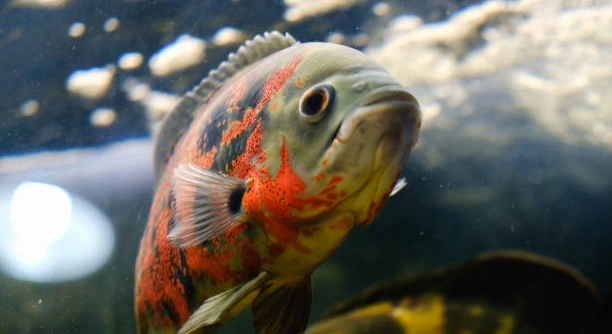
Sometimes, observing strange swimming behaviors in pets or fish can leave you wondering if there’s a deeper issue at play. Whether it’s a sudden change in movement or an odd swim pattern, it’s natural to be concerned.
Most unusual swimming patterns in animals, especially aquatic ones, are often harmless and temporary. These behaviors can result from environmental factors, stress, or minor health fluctuations. Unless accompanied by other concerning symptoms, they typically don’t signal major problems.
Understanding these behaviors can give you peace of mind. By recognizing the harmless reasons behind these swimming patterns, you can make informed decisions about your pet’s care. Keep reading to learn more about what to look out for.
Fish Swimming in Circles
Seeing a fish swim in tight circles can be unsettling. However, this type of movement is often temporary and not a sign of something serious. It’s common in both freshwater and saltwater species, especially in smaller aquariums. Sometimes, it’s simply a way for fish to explore their space.
Fish swim in circles for various reasons, such as exploring their environment, reacting to their own reflection, or searching for food. In certain cases, it can also be due to stress, changes in water conditions, or even boredom. It’s important to observe if the behavior is persistent or if the fish is otherwise acting normal.
If the circular swimming continues for days, it might be worth checking the water quality. Poor water conditions can cause stress and lead to strange behavior. On the other hand, if your fish seems healthy otherwise and the behavior stops, there’s likely no need to worry. As long as there’s no other sign of illness, it’s typically harmless.
Erratic Swimming or Spinning
Erratic swimming or spinning can often look dramatic but doesn’t always point to a serious issue. This behavior can stem from minor environmental stressors. In most cases, it’s temporary and fades once the issue is resolved.
The most common reason for erratic swimming is poor water quality. Low oxygen levels or imbalanced pH can cause fish to behave strangely. It may also occur if the fish is startled or feels threatened by something in its surroundings. In some cases, fish may swim in a fast, erratic manner simply because they are hungry or excited.
If you see your fish spinning or swimming erratically, take a moment to inspect the tank’s water levels. Make sure the filtration system is working well and that there are no sudden changes in temperature or pH. Once these factors are addressed, the behavior should return to normal. If not, a vet may be needed.
Fish Swimming Upside Down
When a fish is swimming upside down, it can look alarming. This unusual behavior can be caused by several factors. Sometimes, it’s simply a result of disorientation or fatigue, but it may also indicate a problem with the fish’s buoyancy or an internal issue.
Fish have an organ called a swim bladder, which helps them maintain buoyancy in the water. If there’s an issue with the swim bladder, such as an infection or injury, the fish may have trouble staying upright. Alternatively, certain species of fish, like certain bettas, may be naturally prone to swimming on their backs. If the behavior persists, it could be worth investigating further.
If the upside-down swimming doesn’t seem to affect the fish’s overall health, it’s probably harmless. However, if the fish is unable to right itself, or if there are signs of distress such as rapid gill movement or loss of appetite, it may be a sign of illness. Adjusting water quality and ensuring there are no physical injuries may help resolve the issue.
Fish Swimming at the Surface
It’s common to see fish swim near the surface of the water, especially during feeding times. However, if they are spending too much time at the top, it could point to a few underlying issues. It’s often related to oxygen levels or water temperature.
One of the most common reasons fish swim at the surface is because the oxygen in the tank is low. When the oxygen level is too low, fish instinctively swim toward the surface to get more air. This is particularly noticeable in tanks that are overcrowded or where the filtration system isn’t working efficiently. The issue could also be due to water temperature; fish often swim near the surface in warmer water to regulate their body temperature.
To resolve this, check the water quality and ensure the tank is properly filtered. If the temperature is too high, consider adding a water chiller or adjusting the tank’s location to keep the water cooler. Also, adding plants or increasing water circulation can help improve oxygen levels in the tank.
Fish Swimming in One Spot
When a fish remains in one spot, it might seem odd, but it’s not always a cause for concern. This behavior is common in certain fish species, especially when they are observing their environment or resting.
Fish may swim in one spot for several reasons. Sometimes they are simply relaxing, staying still to conserve energy, or resting after a period of activity. In other cases, fish may be dealing with a lack of stimulation or feeling stressed in their environment. If the behavior is temporary and the fish seems healthy otherwise, there’s likely no need to worry.
If your fish spends excessive time in one spot, it’s worth checking for potential problems. Ensure the tank is large enough, that water quality is optimal, and that the fish has plenty of hiding spaces or places to explore. Boredom or poor tank conditions can contribute to this behavior.
Fish Swimming Sideways
Sideways swimming is usually a sign of stress, but it’s not always dangerous. In some cases, it can indicate an issue with the fish’s buoyancy or a response to environmental stressors.
Fish that swim sideways may be struggling with water quality issues or internal health problems like a swim bladder disorder. Stress can also trigger this behavior, especially if the fish is new to the tank or feels threatened by tank mates. It’s essential to check for ammonia or nitrite spikes, which can stress fish out.
Make sure the tank has proper filtration and that the fish isn’t being bullied by other tank mates. If the behavior continues or worsens, it’s a good idea to consult a vet to rule out underlying health problems.
Fish Swimming in the Same Pattern
When a fish repeats the same swimming pattern over and over, it may appear strange, but it’s often not a cause for alarm. Repetitive swimming behavior can be linked to several factors.
This behavior is typically seen in fish that are in a stable environment or are familiar with their surroundings. It may occur as part of their natural foraging or territorial behavior. In some cases, it could be a sign of boredom or frustration, particularly if the fish has limited space or environmental enrichment. Monitoring the fish’s overall health and behavior can help determine if it’s simply a quirky habit or something more serious.
FAQ
What should I do if my fish is swimming erratically?
Erratic swimming can often be traced back to water quality issues. Check the pH levels, ammonia, and nitrate levels to make sure they’re within the appropriate range. Also, ensure that the tank is properly filtered and that there are no sudden changes in temperature. If the water quality seems fine, it might be stress-related, particularly if the fish is new to the tank or recently introduced to new tank mates. In these cases, providing a stable environment with plenty of hiding spots can help reduce stress.
Why does my fish swim in circles?
Circle swimming is usually a harmless behavior, though it can sometimes indicate stress or a lack of stimulation. Fish often swim in circles when they are bored, especially in smaller tanks where there isn’t much room for exploration. It can also happen when fish are trying to get the attention of other fish or are simply looking for food. If this behavior continues for an extended period, it might be worth checking the tank’s water quality, as poor water conditions can cause stress and contribute to repetitive behavior.
Is it normal for fish to swim upside down?
Fish swimming upside down can indicate an issue with the swim bladder, which helps fish maintain buoyancy. A damaged or infected swim bladder can cause the fish to lose its ability to stay upright. If your fish is swimming upside down temporarily and otherwise seems healthy, it’s likely not a cause for concern. However, if the behavior persists or your fish shows signs of distress like not eating or difficulty swimming, it might be time to adjust the water quality or seek advice from a vet.
What causes fish to swim at the surface?
When fish are constantly swimming at the surface, it could be a sign that the water’s oxygen levels are low. Fish instinctively swim to the surface when they’re struggling to breathe in the water. It could also be related to high water temperatures, as warmer water holds less oxygen. Ensure the filtration system is working properly, and consider adding aeration to the tank. Checking the water temperature and making sure it’s appropriate for your species will also help. If the behavior continues, check for any issues with the tank’s oxygen supply or water quality.
Why is my fish staying in one spot?
Fish that stay in one spot might just be resting or seeking comfort in a familiar area of the tank. This is especially true for species that prefer to stay close to the bottom or near plants. However, if the behavior is persistent and the fish seems inactive or lethargic, it might be a sign of poor water quality or health issues. Check the water parameters to ensure the tank is healthy and the fish has enough space to move around. If the issue persists, consider consulting with a vet.
What does it mean when my fish swims sideways?
Sideways swimming can indicate a health problem, such as a swim bladder disorder, which affects buoyancy. It can also be a sign of stress or discomfort, often related to poor water conditions. If your fish is swimming sideways frequently, check for signs of injury or infection. Ensure that the water temperature and quality are within proper ranges. Stress from overcrowding or aggressive tank mates can also cause this behavior, so ensure the tank environment is peaceful and suitable for the species.
Why does my fish swim in the same pattern?
When a fish swims in the same repetitive pattern, it’s often a sign of a stable environment or routine behavior. Some species swim in consistent patterns while foraging or defending territory. However, if the repetitive swimming seems obsessive and your fish shows signs of stress or boredom, it could be a result of environmental restrictions. Limited space or a lack of stimulation can cause fish to develop these repetitive behaviors. Make sure the tank offers enough space, hiding spots, and objects to keep the fish engaged.
Should I be concerned if my fish is swimming in circles all the time?
Constant circle swimming can sometimes indicate that the fish is stressed or bored, especially if there are no obvious signs of illness. It can also be a sign of environmental issues like poor water quality or low oxygen levels. If the behavior doesn’t stop or your fish is showing other signs of distress, it may be time to check the water parameters and ensure that the tank is well-maintained. If everything seems in order and the fish is still swimming in circles, it’s often just a harmless behavior.
How can I stop my fish from swimming erratically?
To prevent erratic swimming, start by checking the water conditions. Poor water quality is the leading cause of abnormal fish behavior. Regularly test for ammonia, nitrites, and nitrates, and keep the water clean and oxygenated. Make sure the tank is not overcrowded and that the fish have plenty of space to move. If the erratic behavior is stress-related, try adding hiding places or rearranging the tank to provide more stimulation. Ensuring that all the tank conditions are optimal is usually the best way to prevent erratic swimming.
What could cause my fish to swim upside down?
Fish swimming upside down typically points to a problem with the swim bladder, which helps them control buoyancy. Issues such as a bacterial infection, injury, or poor water quality can cause problems with the swim bladder, leading to upside-down swimming. If your fish is consistently swimming upside down and struggling to right itself, you may need to adjust the water quality, and in some cases, seek advice from a vet. Temporary upside-down swimming can also occur during stress or after feeding, but it’s important to monitor for any other signs of distress.
When it comes to your fish’s behavior, strange swimming patterns are often nothing to worry about. Many times, these behaviors are just part of their normal actions, such as exploring their environment, interacting with other tank mates, or adjusting to water changes. Fish can have quirks, just like any other pet, and these odd swimming patterns might not signal any serious health problems. Instead, they might just be a sign of how the fish is adapting to its surroundings. In these cases, the best thing you can do is observe and ensure the environment remains stable and healthy.
However, it’s important to stay vigilant. If the swimming patterns become persistent or if your fish shows signs of distress—such as loss of appetite, rapid gill movement, or excessive lethargy—then it might be time to investigate further. These behaviors could be linked to water quality issues, stress from overcrowding, or even health problems like infections or swim bladder disorders. Keeping track of water parameters like pH levels, ammonia, and nitrate levels will help ensure the tank is suitable for the fish. If there’s any doubt or concern, don’t hesitate to consult with a vet who specializes in fish.
In the end, maintaining a peaceful and well-balanced aquarium environment is key to your fish’s health and well-being. Regularly monitor water conditions, provide adequate space and hiding spots, and make sure the tank mates are compatible. Fish, like any pet, thrive in environments that offer stability, clean water, and enough stimulation to keep them healthy and active. With proper care and attention, most unusual swimming behaviors will resolve on their own, and your fish can continue to swim happily.

Hello,
If you enjoy the content that we create, please consider saying a "Thank You!" by leaving a tip.
Every little bit helps us continue crafting quality advice that supports the health, happiness, and well-being of pets around the world, for pets of all shapes, sizes, and species.
We really appreciate the kindness and support that you show us!