
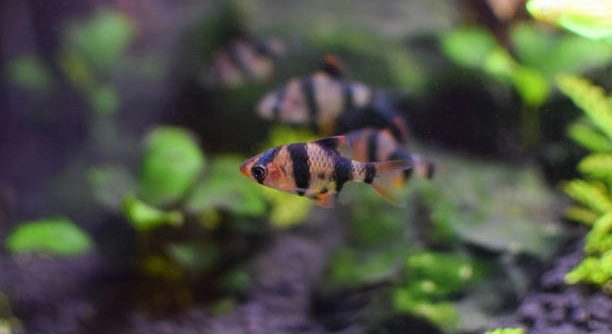
Tiger barbs are lively and colorful fish that bring energy to any aquarium. They have unique behaviors, especially when it comes to their resting habits. Understanding where and how they sleep can help improve their care and environment.
Tiger barbs choose a variety of unusual sleeping spots including inside plant leaves, beneath driftwood, within rocky crevices, and sometimes even near the aquarium’s filter outflow. These locations offer safety, camouflage, and comfort during their resting periods.
Knowing these odd sleeping spots can help you create a more suitable and stress-free habitat for your tiger barbs. This insight benefits both their health and your enjoyment as an aquarium keeper.
Sleeping Inside Plant Leaves
Tiger barbs often seek refuge inside broad plant leaves to rest. The leaves provide a sense of security and partial shade, which helps them feel less exposed. These spots are especially popular during the daytime when the fish tend to reduce activity and conserve energy. The soft texture of the leaves is gentle on their bodies, making it a comfortable resting place. Additionally, the natural surroundings help reduce stress by mimicking their environment in the wild. Plant leaves also offer some protection from stronger currents in the tank, allowing the fish to relax without constantly swimming against water flow. Observing this behavior can help aquarists decide on suitable live plants to include in their setups, enhancing the habitat’s overall appeal and health for tiger barbs.
Plant leaves create a quiet, sheltered spot that tiger barbs use frequently to rest and avoid disturbance.
Incorporating plenty of leafy plants in your aquarium benefits tiger barbs by offering natural hiding and resting spaces. This supports their well-being and reduces signs of stress. When setting up the tank, consider hardy plants like Anubias or Java fern, which thrive underwater and provide sturdy leaves. These plants can withstand nibbling from tiger barbs and remain intact, ensuring long-term shelter. Proper lighting also plays a role, as dimmer areas encourage resting behavior. Ensuring a balance of open swimming areas and planted regions caters to the tiger barbs’ need for both activity and rest. This setup improves the overall environment, promoting healthier and happier fish.
Resting Beneath Driftwood
Resting beneath driftwood is another common choice for tiger barbs. The wood creates shaded areas that mimic hiding spots found in natural habitats. This behavior also helps the fish feel safe from potential threats. The structure provides a secure, dark space where they can settle quietly without feeling exposed.
Driftwood shadows offer tiger barbs protection and comfort during rest periods.
Driftwood adds both function and beauty to an aquarium by giving tiger barbs shelter and a place to retreat. The wood’s irregular shapes create crevices and overhangs that fish use for sleeping or hiding. These spots reduce stress and encourage natural behavior. Besides providing shelter, driftwood can also help maintain water quality by releasing beneficial tannins, which mildly acidify the water. When choosing driftwood, ensure it is aquarium-safe and properly treated to avoid water contamination. Arranging it carefully to create stable hiding places supports the tiger barbs’ well-being and adds a visually appealing, natural look to the tank.
Sleeping Within Rocky Crevices
Tiger barbs often hide in rocky crevices to rest. These tight spaces provide safety and reduce exposure to other fish. The crevices act as natural shelters where the fish feel secure and less vulnerable during sleep.
Rocky crevices offer a quiet, protected environment that tiger barbs favor. These spaces simulate their natural habitat where hiding from predators is essential. The hard surfaces give them a firm resting place, and the narrow gaps reduce light and disturbance. Crevices also help establish territories within the tank, allowing tiger barbs to claim a specific safe spot. Including rocks arranged to create small caves supports their instinctual need for protection and promotes calmer behavior. Carefully placed stones improve both the tank’s appearance and the fish’s comfort.
Creating these crevices involves stacking smooth, aquarium-safe rocks carefully to avoid collapsing. Avoid sharp edges to prevent injury. Monitoring how tiger barbs use the spaces helps adjust placement for maximum benefit. Over time, these rocky shelters become favorite resting places for the fish, contributing to a natural and stress-free environment.
Near the Aquarium’s Filter Outflow
Some tiger barbs choose to rest near the filter outflow where water movement is stronger. This spot provides fresh oxygenated water, which may feel refreshing during rest. The constant current also keeps the water clean in that area.
Resting near the outflow may seem unusual, but it offers clear benefits. The water flow creates gentle movement that tiger barbs tolerate well and can even enjoy. This position allows them to stay alert while still relaxing, as they are close to a source of fresh oxygen. The outflow area is usually less crowded by other fish, offering a quiet resting zone. However, it’s important to ensure the current isn’t too strong, which could cause stress or fatigue. Adjusting filter settings helps maintain a comfortable flow that suits the tiger barbs’ needs without forcing them to fight the water.
Resting in Open Water
Occasionally, tiger barbs rest in open water, away from hiding spots. This behavior shows they feel safe and confident in their environment. It also allows them to stay alert to nearby activity.
Resting openly is more common in tanks where the fish experience low stress and few threats. It reflects their comfort with the surroundings and the other inhabitants of the aquarium.
Sleeping Near the Surface
Tiger barbs sometimes rest near the water surface, especially where gentle ripples occur. This area provides access to oxygen-rich water, aiding their breathing during rest.
Huddling Together
Tiger barbs often group tightly when sleeping. This huddling behavior offers warmth, security, and social bonding, helping reduce stress within the school.
FAQ
Why do tiger barbs choose odd sleeping spots?
Tiger barbs select unusual resting places to feel safe and avoid predators. These spots mimic their natural environment, offering shelter and camouflage. Resting in hidden or shaded areas reduces stress and helps them conserve energy. The variety of spots also meets their needs for comfort and protection.
Is it normal for tiger barbs to sleep in open water?
Yes, when tiger barbs feel secure in their tank, they sometimes rest openly. This behavior indicates low stress and trust in their surroundings. However, it usually happens in well-established tanks with calm water and friendly tank mates.
Can resting near the filter harm tiger barbs?
Resting near the filter outflow is safe if the water current is moderate. Too strong a current can cause fatigue or stress. Adjusting the filter to reduce flow ensures the fish can rest comfortably without being pushed around.
Do tiger barbs sleep at night or during the day?
Tiger barbs are diurnal, meaning they are active during the day and rest at night. However, they may take short naps during the day, especially in shaded or secure spots. This behavior helps them conserve energy.
How can I create a good sleeping environment for my tiger barbs?
Provide a mix of hiding places like plants, driftwood, and rocks to create natural shelters. Include open spaces for swimming and maintain stable water conditions. Soft lighting or dim areas encourage resting behavior. Regular tank maintenance helps keep the environment healthy and stress-free.
Why do tiger barbs huddle together when sleeping?
Huddling provides warmth and security. This group behavior reduces stress and helps the fish feel protected. It’s common among schooling fish like tiger barbs to rest close together, reinforcing social bonds.
What should I avoid to prevent disturbing tiger barbs’ rest?
Avoid sudden movements or loud noises near the tank, which can startle the fish. Bright lights or frequent tapping on the glass may also disturb their sleep. Keeping a consistent light schedule and minimizing disruptions helps tiger barbs rest well.
Can stress affect where tiger barbs sleep?
Yes, stressed tiger barbs may hide more or choose unusual spots to feel safe. Stress can come from poor water quality, aggressive tank mates, or overcrowding. Monitoring behavior and tank conditions helps identify and reduce stress factors.
How important is water quality for tiger barbs’ resting habits?
Water quality is crucial. Clean, well-oxygenated water supports healthy behavior, including proper rest. Poor water conditions can cause discomfort, making tiger barbs restless or hiding excessively. Regular water changes and filtration are essential.
Are there signs that tiger barbs are not resting properly?
Signs include constant swimming without rest, hiding excessively, or showing signs of stress like clamped fins and color fading. These behaviors may indicate poor tank conditions or illness. Addressing the root cause improves their resting habits and overall health.
Tiger barbs have unique resting habits that reflect their natural instincts and environment. Understanding where they prefer to sleep helps create a better aquarium setup. These fish look for safe, comfortable spots such as plant leaves, driftwood, rocky crevices, and even near the filter outflow. Each resting place serves a purpose, whether it’s protection from predators, shelter from strong currents, or access to oxygen-rich water. Observing these behaviors gives insight into their needs and helps keep them healthy and stress-free.
Providing a variety of hiding spots is important for tiger barbs to feel secure. Live plants with broad leaves offer shade and softness, while driftwood and rocks create natural caves and crevices for shelter. These elements not only improve the appearance of the tank but also support the fish’s well-being. It’s essential to arrange the aquarium carefully, avoiding sharp edges or unstable decorations that could harm the fish. Additionally, maintaining stable water conditions and moderate lighting encourages natural resting behavior and reduces stress levels.
Watching tiger barbs sleep in their chosen spots can be rewarding. It shows they are comfortable and thriving in their environment. While they may sometimes rest openly or near the water surface, these behaviors often indicate a peaceful tank with low stress. Understanding and accommodating their resting preferences improves the overall aquarium experience. It promotes healthier fish and a more balanced aquatic environment, making care easier and more enjoyable.

Hello,
If you enjoy the content that we create, please consider saying a "Thank You!" by leaving a tip.
Every little bit helps us continue crafting quality advice that supports the health, happiness, and well-being of pets around the world, for pets of all shapes, sizes, and species.
We really appreciate the kindness and support that you show us!