
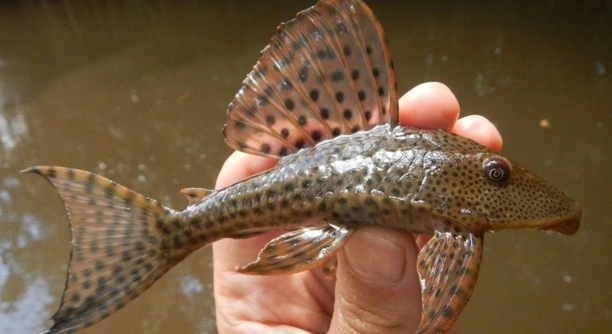
Plecos are fascinating fish that often exhibit quirky behaviors in the aquarium. These movements can sometimes leave owners puzzled about their meaning or significance. Understanding these actions can help you provide a better environment for your plecos.
Plecos exhibit a variety of odd movements, each with a distinct purpose. These actions may include head jerks, swimming upside down, or rapid body twitching, which can indicate feeding behavior, stress, or even mating rituals.
These unusual movements can reveal important information about your pleco’s well-being. Recognizing and interpreting these actions can enhance your understanding of their needs and help you keep them healthy.
1. Swimming Upside Down
Sometimes, plecos will swim upside down or on their backs for short periods. This might seem odd, but it’s not necessarily a cause for concern. The behavior can occur when they are exploring their tank or trying to reach food on the surface. It can also be a sign of unusual current patterns, which may be making it harder for them to swim properly.
If you notice your pleco swimming upside down frequently, it might indicate that there is an issue with the water flow in the tank. In some cases, plecos use this behavior as a way to interact with their environment or as part of a feeding routine. If the behavior is constant, it’s best to assess the tank’s setup, including water parameters and filtration systems.
Generally, plecos are hardy and adaptable fish. They are often able to adjust to their surroundings quickly, but certain conditions in the tank may lead to stress. Adjusting your aquarium’s flow or ensuring proper water conditions can make a significant difference in reducing this behavior.
2. Head Jerking Movements
Head jerking can be an odd sight, but it often indicates your pleco is trying to locate food. They may jerk their head from side to side while scanning their environment.
This movement is usually harmless and part of their natural feeding behavior. Plecos are bottom feeders and may use this technique to search for bits of food hidden in the substrate or attached to surfaces. If this happens only during feeding time, it’s perfectly normal.
However, if your pleco is jerking its head excessively without showing interest in food, it could be a sign of irritation or stress. Some plecos, especially when young, might also display this behavior while acclimating to their new environment. Offering more hiding spots or adjusting the tank setup may help alleviate this movement.
3. Rapid Body Twitching
Rapid body twitching is another unusual behavior plecos sometimes exhibit. It typically happens when they’re startled or excited. This behavior might also be a result of overstimulation, such as too much light or movement in the tank.
While twitching may look concerning, it’s often a reflexive reaction rather than a sign of illness. Plecos can twitch when they are adjusting to new tank conditions or reacting to sudden changes in the environment. If the twitching is persistent or severe, however, it’s worth monitoring for signs of infection or discomfort.
Ensuring your pleco’s tank is quiet and stable can help minimize these sudden movements. In some cases, the twitching might be linked to stress caused by overpopulation or tank mates. Keeping your pleco’s environment calm can reduce this behavior significantly.
4. Staying Still for Long Periods
It’s common to see plecos remaining still for long stretches. While this behavior can seem strange, it’s often a sign of contentment or rest. Plecos, like many fish, need time to rest and can stay in the same spot for hours.
If they are resting in a position that seems odd, such as wedged in a corner or hiding under objects, it’s usually just their way of finding a quiet, comfortable space. As nocturnal creatures, plecos might also spend the day resting and become more active at night.
However, if your pleco stays still for prolonged periods and isn’t eating or interacting with the environment, it could signal stress or a health issue. It’s important to check water quality and ensure they’re not being disturbed. Sometimes, moving objects or adjusting the light schedule can make a difference.
5. Flipping or Rolling
Flipping or rolling motions are something plecos may do from time to time. It usually happens when they’re in search of food or exploring their surroundings. It’s also a way for them to clean or rub themselves on tank surfaces.
Occasionally, these flips can be seen when plecos are trying to access hard-to-reach areas, like under decorations or rocks. They might do this if they’re attempting to find food or get to a better hiding spot. This behavior is typically harmless, though it can be unsettling to watch.
Make sure there are no obstacles in their tank that could cause injury. If the flipping becomes more frequent or extreme, it’s worth checking the overall health of your pleco.
6. Gasping at the Surface
Gasping at the surface is not a normal pleco behavior. If your pleco is consistently reaching for air at the top, it could indicate low oxygen levels or poor water quality.
It’s important to check the water parameters immediately. Low oxygen levels can cause stress, and plecos may try to breathe more heavily when they are struggling for air. You can improve water circulation with additional filtration or an air pump.
Gasping could also indicate illness or even parasites affecting their gills. If the behavior continues despite improving water conditions, it’s best to seek advice from a vet or aquarist.
FAQ
Why is my pleco swimming sideways?
If your pleco is swimming sideways, it could be a sign of stress or an imbalance in the tank’s environment. This behavior is sometimes observed when they are trying to navigate currents that are too strong or when the water quality is off. Check your tank’s filtration system and water parameters. If the water is too acidic or there are high levels of ammonia, it could lead to unusual swimming patterns. Make sure there are plenty of hiding spots to help your pleco feel secure. If the problem persists, it’s worth doing a water change and considering any potential tankmate issues.
Is my pleco sick if it’s staying in one corner?
Not necessarily. Plecos enjoy staying in a quiet, secluded area, especially when they feel safe and secure. They are nocturnal, so if they’re staying in one corner during the day, they may just be resting. However, if they stay in one spot for days and seem disinterested in food or interacting, this could indicate stress, illness, or poor water conditions. Check your water parameters, make sure there’s no aggressive behavior from other fish, and see if there are any signs of illness, like cloudy eyes or difficulty swimming.
Why does my pleco keep rubbing its body on the substrate or decorations?
This behavior can sometimes be a sign of irritation, especially if your pleco is rubbing against objects repeatedly. It might be trying to scratch an itch caused by parasites or skin irritations. Another reason could be that the pleco is simply cleaning itself or the tank’s surfaces. Plecos are natural algae eaters, and rubbing against surfaces helps them get rid of algae buildup. However, if the rubbing seems excessive or if your pleco has visible sores, it’s important to check for external parasites or skin issues. Consider treating your tank if necessary.
Should I be worried if my pleco is staying upside down?
Plecos occasionally swim upside down, but if they’re consistently doing it, there may be an issue. It could be caused by stress, illness, or improper tank conditions, such as high ammonia or low oxygen levels. Sometimes, plecos swim upside down to reach food or to adjust to the flow of water, but if they remain upside down for an extended period, it might indicate swim bladder problems or a sign that the pleco is struggling to stay afloat. In this case, adjusting the water flow, improving water quality, or consulting a veterinarian might be necessary.
What does it mean if my pleco is constantly darting around the tank?
Rapid movements and darting around the tank are often signs of stress or excitement. If your pleco is darting after a water change, it could simply be reacting to the new environment. However, if this behavior is frequent, it might indicate that something in the tank is unsettling the pleco. This could be a sudden change in water temperature, poor water quality, or aggression from tankmates. Make sure your pleco is comfortable and that its environment is stable. If the darting continues, consider adjusting tank conditions and checking for any signs of illness.
Why does my pleco flick its tail constantly?
Flicking or swishing the tail repeatedly is usually a sign that your pleco is trying to dislodge something from its body or is simply adjusting to the flow of water. It’s quite common for plecos to flick their tails while grazing or exploring. However, if it happens excessively, it could be a sign of stress or discomfort. This can occur if there’s an issue with water quality, such as high ammonia or nitrite levels. Check the water parameters and ensure that your pleco has enough space and hiding spots to reduce stress.
My pleco is breathing rapidly. Is that a problem?
Rapid breathing can be a sign of low oxygen levels or poor water quality. If your pleco is breathing faster than usual, it could be struggling to get enough oxygen from the water. This may be due to poor filtration, overcrowding, or high ammonia levels. Adding an air stone or improving tank filtration can help increase oxygen flow. Additionally, make sure the tank is properly cycled and that water conditions are within the ideal range. If the rapid breathing continues, consult a professional to check for potential underlying health issues.
Why is my pleco swimming in circles?
Swimming in circles is not typical behavior for plecos and can be a sign of stress, disorientation, or injury. It might be caused by a tank environment that’s too chaotic, with strong currents or other fish bullying the pleco. Poor water quality, like high nitrate levels, can also lead to disoriented behavior. Ensure your pleco has plenty of space to swim and that the water conditions are stable. If this behavior continues, it may be necessary to isolate the pleco temporarily in a quarantine tank to reduce stress and monitor its health.
Is it normal for my pleco to stay still for days?
Plecos are naturally nocturnal, so it’s normal for them to be inactive during the day and more active at night. If your pleco remains still for days, especially in a corner or under a rock, it could be resting or seeking out a hiding place. However, if it’s not eating or seems lethargic, it could indicate stress, illness, or poor water conditions. It’s a good idea to check the water quality, temperature, and ensure there’s no aggression from other fish. If the behavior persists, consider seeking advice from a vet or aquarist.
Final Thoughts
Plecos are generally hardy and low-maintenance fish, but like all pets, they can sometimes exhibit odd behaviors that can raise concerns. While many of these movements are harmless and part of their natural instincts, it’s important to keep an eye on your pleco’s health and environment. Regular monitoring of the tank’s water quality, temperature, and tankmates can help prevent stress and ensure your pleco stays happy. Small changes in the environment can make a big difference in the behavior of your fish. If you notice consistent or excessive odd movements, it’s always a good idea to check for any underlying issues.
Many of the unusual behaviors, such as swimming upside down or rapid tail flicking, can simply be the result of plecos exploring their surroundings or reacting to tank conditions. However, if you see behaviors that persist and seem out of the ordinary, it may be a sign of something more serious, like illness or discomfort. Being proactive with water maintenance and offering your pleco plenty of hiding spots can help reduce these behaviors. It’s also essential to remember that plecos are nocturnal, and they may spend a significant amount of time resting during the day. So, don’t be alarmed if your pleco seems inactive during daylight hours.
Ultimately, understanding plecos’ natural behaviors and knowing what to expect will help you care for them better. Whether they’re rubbing against tank surfaces or darting around in search of food, each movement typically has a reason behind it. Paying close attention to these signs will allow you to quickly address any concerns that might arise, ensuring that your pleco remains healthy and thriving in its aquatic home.

Hello,
If you enjoy the content that we create, please consider saying a "Thank You!" by leaving a tip.
Every little bit helps us continue crafting quality advice that supports the health, happiness, and well-being of pets around the world, for pets of all shapes, sizes, and species.
We really appreciate the kindness and support that you show us!