
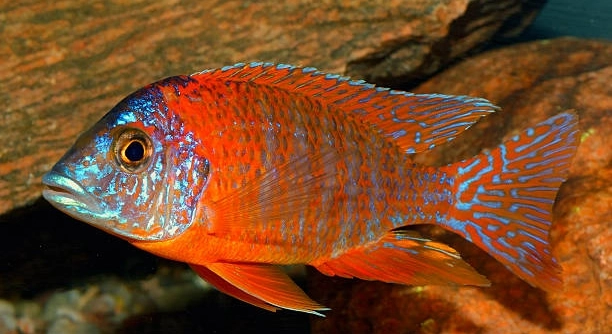
Keeping cichlids can be a rewarding experience, but many aquarists struggle with choosing the right tankmates. Some combinations seem unusual, yet they thrive together under the right conditions. Observing successful pairings can be fascinating.
Certain odd pairings of cichlids with other species succeed due to complementary behaviors, compatible water requirements, and non-overlapping territories. Proper tank setup, monitoring aggression, and providing sufficient hiding spaces allow these unlikely companions to coexist peacefully.
Learning about these unusual tankmates can expand your options and improve the harmony within your aquarium environment.
Cichlids and Corydoras
Corydoras catfish are peaceful bottom dwellers that surprisingly pair well with many cichlid species. While cichlids occupy mid to upper levels, Corydoras stay near the substrate, scavenging leftover food and keeping the tank clean. Their small size and calm nature make them unlikely targets for aggression. Cichlids, when properly fed and given enough space, rarely bother them. It is important to maintain water quality and provide hiding spots for Corydoras, as stress can lead to health issues. Sand or fine gravel works best for their delicate barbels, and regular water changes are essential. Including small groups of Corydoras allows them to exhibit natural schooling behavior, reducing anxiety. Observing their interaction with cichlids can be satisfying, as both species occupy different niches without significant conflict. With careful planning, this pairing adds movement and diversity to the aquarium, creating a balanced environment that benefits both species.
Their complementary levels and non-aggressive behavior make Corydoras ideal companions for many cichlids.
When keeping cichlids and Corydoras together, monitor feeding closely. Cichlids can be dominant during meals, so spreading food ensures Corydoras receive enough nutrition. Providing multiple hiding spots and plants reduces territorial disputes. The sand substrate protects Corydoras’ barbels, and gentle filtration keeps water clean without disturbing them. Grouping Corydoras in schools of at least six encourages natural behaviors, helping them feel secure and active. Observing cichlids swimming above while Corydoras forage below creates a dynamic aquarium scene. Adjusting tank size and décor to provide separate zones reduces stress and potential aggression. With these precautions, both species thrive, offering a lively, balanced, and visually appealing tank setup.
Cichlids and Plecos
Plecos are hardy algae eaters that can coexist with most cichlids, providing natural cleaning services. Their armored bodies protect them from most cichlid aggression, while their nocturnal habits keep them mostly active at night.
Plecos help manage algae and uneaten food in cichlid tanks, but their size and waste production must be considered. Large pleco species require spacious aquariums and strong filtration. Hiding places like driftwood or caves allow plecos to rest during the day and feel secure. Younger cichlids may show curiosity, but aggression usually decreases as both species adjust. Plecos’ nocturnal feeding ensures minimal competition with cichlids for food. Choosing compatible species, such as smaller bristlenose plecos for mid-sized tanks, prevents overcrowding and stress. Regular monitoring of water quality and tank maintenance ensures both species remain healthy. With careful planning, plecos contribute to the tank’s cleanliness and offer a contrasting texture and activity pattern, making the aquarium visually engaging while promoting harmony between different fish types. Proper attention to size and habitat ensures long-term success for this pairing.
Cichlids and Rainbowfish
Rainbowfish are active swimmers that coexist well with many cichlid species. Their peaceful nature and bright colors complement cichlids without triggering aggression. They thrive in similar water conditions and add movement throughout the mid and upper levels of the tank.
Rainbowfish adapt well to community tanks with cichlids because they occupy similar temperature and pH ranges. Their schooling behavior provides natural activity, which can help diffuse tension among territorial cichlids. Providing plants and open swimming spaces allows both species to maintain their territories without conflict. While cichlids may be curious at first, rainbowfish usually maintain distance and avoid confrontations. Regular feeding and adequate tank size further support a balanced environment where both species flourish, creating a colorful and lively display.
Monitoring interactions is important, especially during feeding times. Overcrowding can lead to stress, so ensuring ample space and hiding spots reduces potential disputes. Adjusting tank décor, such as floating plants or driftwood, gives rainbowfish areas to rest and reduces cichlid dominance. With proper care, this pairing maintains harmony while enhancing visual diversity, offering an active and engaging aquarium scene.
Cichlids and Gouramis
Gouramis are generally calm fish that can share a tank with certain cichlid species, particularly those with moderate aggression levels. Their labyrinth organ allows them to breathe air, giving them flexibility in oxygen-poor areas. Proper tank layout prevents territorial conflicts.
Pairing cichlids with gouramis requires careful attention to tank space and structure. Gouramis tend to occupy upper levels, while cichlids patrol mid to lower zones. Introducing both species gradually helps reduce stress and allows each to establish their territories. Plants and floating décor offer hiding spots for gouramis, providing security from more dominant cichlids. Monitoring feeding is necessary, as cichlids can be assertive, and multiple feeding points ensure gouramis receive sufficient nutrition. This setup creates a multi-level dynamic where both species display natural behaviors without excessive interference. Adequate filtration and regular water changes support the health of both species, maintaining a stable environment.
Observing the pair reveals complementary behaviors that enhance tank activity. Gouramis’ peaceful movements contrast with cichlids’ assertive patrolling, resulting in a lively yet balanced ecosystem. Adjusting the tank to include caves, plants, and open swimming areas allows both species to coexist comfortably. Gouramis’ ability to breathe air reduces stress during high activity, and their calm nature prevents unnecessary confrontations. Maintaining proper population density and monitoring interactions ensures long-term compatibility, making this pairing a practical choice for diverse aquariums with visually appealing dynamics.
Cichlids and Otocinclus
Otocinclus catfish are small, peaceful algae eaters that work well with cichlids. They occupy the bottom of the tank, staying out of the cichlids’ mid-level territories. Their calm nature reduces the risk of aggression from larger tankmates.
They need plenty of algae or supplemental food to stay healthy. Hiding spots and gentle water flow help Otocinclus feel secure. Small groups of at least four encourage natural schooling behavior, keeping stress levels low and interactions with cichlids minimal.
Cichlids and Hatchetfish
Hatchetfish occupy the uppermost water levels, minimizing contact with territorial cichlids. Their surface-dwelling habits allow them to coexist peacefully, adding activity to a tank without creating conflict. Feeding should be spread across levels to prevent competition.
Cichlids and Silver Dollars
Silver Dollars are mid-to-upper level swimmers with a peaceful temperament. Their schooling behavior reduces stress and disperses attention, lowering potential aggression from cichlids. Providing ample space and plants ensures they have room to swim safely and maintain harmony.
Cichlids and Snails
Snails serve as tank cleaners and generally remain ignored by most cichlids. Their slow movements and protective shells prevent most attacks, though some larger cichlids may occasionally investigate.
FAQ
What makes certain odd pairings with cichlids successful?
Successful pairings depend on compatible behavior, water conditions, and territorial needs. Peaceful bottom dwellers or surface swimmers often coexist with mid-level cichlids. Proper tank size, hiding spots, and feeding strategies minimize stress and aggression. Observing interactions helps adjust the tank setup if needed.
Can all cichlids be kept with other fish?
Not all cichlids are compatible with other species. Aggressive or highly territorial cichlids require careful selection of tankmates. Matching fish with complementary temperaments and space requirements ensures a harmonious environment. Smaller or slower-moving species may be at risk without proper monitoring and separation.
How should I feed multiple species in a mixed cichlid tank?
Feeding in a multi-species tank requires multiple feeding points. Spread food across different levels to ensure bottom dwellers, mid-level swimmers, and surface fish all get adequate nutrition. Monitoring meal times helps prevent dominant cichlids from monopolizing food, keeping all species healthy.
Do hiding spots really reduce aggression?
Yes, hiding spots are crucial. Caves, driftwood, and plants allow subordinate species to escape dominant fish. They provide security, reduce stress, and help maintain natural behaviors. Even territorial cichlids benefit from visual barriers to mark territories without constant conflict.
How many fish should be added at once?
Introducing all tankmates at the same time reduces territorial disputes. Gradual introductions can trigger aggression from established fish. Adding groups of compatible species together helps distribute attention and prevents one fish from being singled out.
Are smaller schooling fish safe with cichlids?
Schooling fish like rainbowfish, silver dollars, or hatchetfish are generally safer because they stick together. Their movement spreads attention and reduces individual targeting. Still, proper tank size and hiding spaces are necessary to prevent stress from curious or territorial cichlids.
Can invertebrates live with cichlids?
Some invertebrates, such as snails or shrimp, can coexist if they have protective shells or hiding spots. Larger, more aggressive cichlids may harass or eat smaller invertebrates, so observing interactions and providing plenty of coverage is essential.
How do I monitor aggression effectively?
Regular observation during feeding and active periods is key. Watch for chasing, nipping, or prolonged dominance. Intervene if certain fish are constantly stressed or injured. Adjust tank décor, separate individuals, or redistribute food to balance dynamics.
Do water parameters affect compatibility?
Absolutely. Matching pH, temperature, and hardness ensures both cichlids and tankmates thrive. Sudden changes stress fish, increasing aggression. Research species requirements and maintain stable, suitable water conditions for all inhabitants.
What tank size is ideal for odd pairings?
Larger tanks reduce territorial conflicts by providing space for all species. Overstocking increases stress and aggression. Ensure enough vertical and horizontal space, plus territories for each species. Proper filtration and maintenance are also vital to support multiple fish.
How often should I check tank conditions?
Water quality should be checked weekly for ammonia, nitrite, nitrate, pH, and temperature. Consistent monitoring helps prevent health issues, keeps aggressive behavior minimal, and maintains a stable environment suitable for all species.
Can plants help with cichlid pairings?
Yes, plants act as natural barriers, reducing line-of-sight aggression and providing shelter. Floating plants or tall plants create zones in the tank, allowing both cichlids and other species to claim separate areas and feel secure.
Are odd pairings stressful for fish?
Stress can occur if compatibility, space, or hiding spots are insufficient. Careful planning, observation, and adjustment minimize stress. Balanced feeding, proper tank décor, and adequate territory help all species coexist comfortably.
Is it better to mix or stick with one type of fish?
Mixing species works when compatibility is ensured. Single-species tanks reduce risk of aggression but limit diversity. Odd pairings require attention and proper setup, but they enhance activity, visual appeal, and ecological balance when done correctly.
How do I introduce new fish safely?
Quarantine new fish before introduction to prevent disease. Float them in the tank to acclimate to temperature, then release gradually. Monitor interactions closely for the first few days to detect stress or aggression early.
Can juveniles be introduced with adults?
Juveniles are more vulnerable to aggression. Adequate hiding spaces and schooling groups help protect them. In some cases, introducing juveniles with other juveniles first before adults reduces risk and allows them to establish territory safely.
What are signs of a successful pairing?
Peaceful coexistence, active swimming at various levels, normal feeding behavior, and minimal chasing indicate a successful pairing. Fish exhibit natural behaviors, grow healthily, and show low stress levels. Monitoring daily helps confirm ongoing compatibility.
Can aggression be corrected once it starts?
Yes, interventions like rearranging décor, separating aggressive individuals, or adding additional hiding spaces can reduce tension. Adjusting feeding routines and tank layout often restores harmony among species.
Do all tankmates need the same water conditions?
Matching water parameters is crucial. Even compatible species can become stressed if conditions differ significantly. Research and maintain temperature, pH, and hardness suitable for all inhabitants to ensure long-term health.
Is breeding affected in mixed tanks?
Territorial cichlids may protect eggs aggressively, sometimes harming other species. Providing separate breeding areas or tanks can prevent conflicts and ensure offspring survival while maintaining tank harmony.
How often should I observe my tank for compatibility issues?
Daily observation is best, especially during feeding and active periods. Noticing early signs of stress, chasing, or hiding allows for quick adjustments to maintain a balanced, peaceful environment.
Do decorations influence behavior?
Yes, decorations like caves, rocks, and plants define territories, reduce line-of-sight conflict, and provide refuge. Proper placement allows both cichlids and tankmates to occupy distinct zones comfortably.
Can I mix aggressive and peaceful species?
Mixing aggressive and peaceful species is risky. Aggressive cichlids may dominate or harm peaceful fish. Careful selection, ample space, and monitoring can make it work, but generally, matching temperaments reduces stress and conflict.
What should I do if a pairing fails?
If stress or injury occurs, separate incompatible species immediately. Adjust tank size, décor, or feeding strategies before attempting new pairings. Observing behavior ensures long-term tank stability and fish health.
How do I balance numbers for multiple species?
Maintain schools for peaceful species and fewer dominant individuals for territorial cichlids. Balanced populations reduce aggression, distribute attention, and allow natural behaviors. Overcrowding increases stress, so calculate space per fish carefully.
Are certain cichlid species more compatible than others?
Yes, medium aggression cichlids often pair better with peaceful or non-territorial fish. Highly aggressive species require careful selection or single-species setups to prevent injury and stress. Research specific species behavior before pairing.
Do tankmates affect cichlid growth?
Aggression or competition can stress cichlids, affecting appetite and growth. Peaceful, well-spaced tankmates allow cichlids to feed adequately and grow at a healthy rate without unnecessary competition or stress.
Can I keep live plants with cichlids?
Yes, though some cichlids may uproot plants. Use hardy species or secure planting methods. Plants provide hiding spots, define territories, and help maintain water quality while supporting compatibility with other fish.
How long does it take for pairings to stabilize?
Pairings may take weeks to adjust. Initial curiosity or mild aggression is normal. Observing feeding and territorial behavior over time helps determine if the combination will remain peaceful long-term.
Are there signs of hidden stress in fish?
Yes, reduced activity, hiding, loss of appetite, or color fading indicate stress. Early detection allows adjustments to feeding, décor, or space to improve the environment and maintain harmony.
How do I prevent long-term conflicts?
Provide adequate space, hiding spots, proper feeding, and compatible species. Regular observation and tank maintenance reduce stress and aggression. Adjust décor or population as needed to support a balanced environment for all inhabitants.
Is monitoring water chemistry important for pairings?
Absolutely. Stable parameters prevent stress and aggression. Regular checks of pH, temperature, hardness, and nitrogen compounds ensure healthy conditions for cichlids and tankmates, promoting compatibility.
Can cichlids coexist with fast-swimming surface fish?
Yes, species like hatchetfish or small rainbowfish generally stay out of cichlid territories. Open swimming areas and multiple feeding points reduce interaction stress and support peaceful coexistence.
What should I do if aggression resurfaces after initial harmony?
Reevaluate tank layout, population density, and feeding strategies. Sometimes minor adjustments like adding hiding spaces, redistributing food, or separating individuals restore peace and reduce recurring conflicts.
How do I choose tankmates for baby cichlids?
Juvenile cichlids are vulnerable, so pairing with non-aggressive species is safer. Providing hiding spots, small groups, and gradual introductions ensures they grow safely without constant harassment.
Is it better to start with all fish at once?
Yes, introducing multiple species simultaneously reduces early territorial disputes. Established fish may act aggressively toward newcomers if added later, increasing stress and potential injury.
How important is tank size for odd pairings?
Tank size is critical. Adequate space allows all species to claim territories, reduces competition, and supports healthy behaviors. Overstocked or small tanks increase aggression and stress, making pairings less successful.
Do feeding schedules affect compatibility?
Yes, synchronized or multiple feeding points prevent dominant fish from monopolizing food. Consistent schedules help reduce stress, encourage natural foraging, and ensure all species receive proper nutrition.
How do I know if my pairings are thriving?
Thriving pairings show active swimming, normal feeding, visible growth, and low stress behaviors. Fish interact without constant chasing, hide temporarily but remain confident, and display natural colors and behaviors consistently.
Are some cichlids too aggressive for community tanks?
Yes, highly territorial or large cichlids may injure smaller or peaceful species. Choosing moderate or low-aggression species, with proper space and monitoring, ensures better compatibility and reduces risk of harm.
Can fish personalities affect compatibility?
Individual temperament matters. Even compatible species may display unexpected aggression or timidity. Observing behavior allows adjustments to population, décor, or feeding to maintain a balanced tank environment.
Should I rotate tank décor to reduce aggression?
Occasionally rearranging décor can reset territories, reduce established dominance, and stimulate activity. This helps fish adjust and reduces persistent bullying in long-term tanks.
How do I maintain long-term harmony in a mixed tank?
Stable water conditions, proper population, multiple hiding spots, and careful monitoring are key. Addressing conflicts quickly, maintaining feeding routines, and providing appropriate space ensure sustainable coexistence.
Can tank lighting influence fish behavior?
Yes, bright or uneven lighting may stress certain species. Moderate, consistent lighting allows fish to see territories clearly without triggering unnecessary aggression or hiding.
Is quarantine necessary for all new fish?
Yes, quarantining prevents disease introduction and allows observation of temperament before mixing with cichlids. It ensures healthy, compatible additions and protects established tankmates.
How often should I reassess compatibility?
Regularly, especially after growth, breeding, or introduction of new species. Behavior may change with size or age, so periodic observation ensures continued harmony.
Do cichlid hybrids affect compatibility?
Hybrids may have unpredictable behavior. Their aggression or territorial tendencies can differ from parent species. Monitor closely and adjust tankmates accordingly.
Can temperature fluctuations trigger aggression?
Yes, stress from sudden temperature changes can increase cichlid aggression. Stable, species-appropriate temperatures reduce conflict and support peaceful coexistence.
Are artificial decorations better than live plants for odd pairings?
Artificial decorations provide stable hiding spots without risk of uprooting. They help define territories, reduce line-of-sight conflicts, and support compatibility, especially with digging or plant-disturbing cichlids.
Should I separate fish during breeding?
Yes, territorial cichlids may become aggressive while protecting eggs. Providing breeding tanks or isolating pairs prevents harm to other species and ensures successful reproduction.
Do water flow and filtration impact behavior?
Strong currents may stress slow-moving species while benefiting active cichlids. Balanced filtration supports health and reduces aggression, creating a stable environment for all inhabitants.
Can diet differences affect compatibility?
Yes, cichlids and tankmates with differing dietary needs require careful feeding. Providing species-specific nutrition ensures all fish remain healthy without competition-related stress.
Are certain tank shapes better for odd pairings?
Long, spacious tanks reduce territorial disputes by providing horizontal swimming space. Vertical space benefits surface dwellers. Proper layout supports multi-level occupancy and reduces conflict between species.
Do stress signs appear differently in each species?
Yes, some fish hide, others lose appetite or color. Observing species-specific behaviors helps detect early stress and prevent aggression or health issues.
How can I introduce multiple species safely over time?
Introduce groups together rather than individually. Monitor interactions, provide hiding spots, and adjust décor to reduce dominance disputes. Gradual, careful introduction promotes coexistence without triggering aggression.
Can tankmates influence cichlid coloration?
Peaceful, compatible companions reduce stress, allowing cichlids to display natural colors. Aggressive or overcrowded conditions may dull coloration or trigger hiding behaviors, impacting visual appeal.
Is it necessary to research each species’ temperament?
Yes, knowing aggression levels, territorial tendencies, and water requirements helps prevent conflicts. Compatibility research ensures long-term harmony and a healthy, balanced tank.
Can I switch tankmates if aggression starts?
Yes, separating or replacing incompatible species is sometimes the only solution. Adjusting tank setup, décor, or population also helps restore peace without harming fish.
Are juvenile and adult cichlids equally compatible with other species?
Not always. Adults may be more territorial, while juveniles are vulnerable. Providing hiding spots and monitoring interactions ensures safety for all life stages.
How do I manage tankmate population growth?
Monitor breeding and growth. Overcrowding increases stress and aggression. Separate or limit offspring to maintain balance and minimize conflict.
Can adding plants or décor mid-tank help resolve disputes?
Yes, it creates new territories, visual barriers, and refuge areas. Rearranging mid-tank can reduce aggression and allow stressed fish to adjust without removing them entirely.
Should I observe interactions at different times of day?
Yes, fish behavior changes throughout the day. Observing during feeding, resting, and active periods ensures accurate assessment of compatibility and stress levels.
How often should I clean the tank in a mixed setup?
Regular cleaning maintains water quality, reduces stress, and prevents aggression caused by poor conditions. Weekly checks of substrate, filters, and water parameters are recommended.
Can cichlids and livebearers coexist?
Some livebearers, like guppies or mollies, coexist with peaceful cichlids. Avoid pairing with aggressive or territorial species. Providing space and hiding spots ensures their safety.
How do I prevent bullying in multi-species tanks?
Multiple hiding spots, sufficient space, schooling groups, and careful population management reduce bullying. Observing daily allows early intervention if conflicts arise.
Are tankmates affected by cichlid size?
Yes, larger cichlids may harass or eat smaller fish. Pairing requires attention to size ratios, hiding spaces, and compatible species to maintain harmony.
Can water chemistry changes trigger aggression?
Yes, sudden pH, hardness, or temperature changes stress fish, increasing territorial disputes. Stable parameters support peaceful interactions and overall health.
Do nocturnal and diurnal fish mix well?
Yes, as long as feeding and territory are managed. Different activity periods reduce competition and allow coexistence without direct conflict.
Is it important to research hybrid behavior?
Yes, hybrids may behave unpredictably. Monitoring interactions, size, and aggression ensures they fit safely into the tank without causing stress.
Can rearranging hiding spots improve compatibility?
Yes, changing décor can reset territories and reduce tension. Visual barriers and new shelters allow fish to claim space without prolonged conflict.
Do fast-growing species require special consideration?
Yes, rapidly growing fish can outcompete others for food or space. Proper tank size and monitoring prevent stress and aggression from developing.
How can I tell if all species are eating properly?
Observe feeding at multiple levels. Uneaten food, missing fish, or selective feeding indicate issues. Adjust food distribution to ensure everyone receives adequate nutrition.
Should I separate species with different pH preferences?
Yes, incompatible water chemistry can stress fish. Matching species with similar pH and hardness requirements ensures compatibility and long-term health.
Can substrate choice affect pairing success?
Yes, fine sand protects bottom dwellers, while rocks or gravel provide territories for digging species. Proper substrate reduces stress and aggression.
Are there signs of hidden aggression?
Yes, fin nipping, chasing, or persistent hiding are subtle signs. Early detection allows adjustment to décor, population, or feeding routines.
Can adding a new group disrupt existing harmony?
Yes, new fish may trigger territorial disputes. Introduce multiple compatible individuals together and monitor closely to maintain peace.
Do surface dwellers need separate feeding areas?
Yes, distributing food by water level ensures all species, including surface, mid, and bottom dwellers, receive adequate nutrition without conflict.
Can compatible pairings change over time?
Yes, growth, breeding, or personality shifts may alter behavior. Regular observation and adjustments maintain long-term compatibility.
How do I select compatible species for long-term success?
Match temperament, water requirements, size, and territorial habits. Research and plan carefully to ensure a balanced tank where all species thrive.
Do certain cichlid colors or patterns indicate aggression?
Color changes can indicate stress or dominance. Darkened or intense coloration may signal territorial disputes or readiness to defend territory.
How do I balance plant density with swimming space?
Provide zones with open swimming and dense plant coverage. This allows active species to move freely while offering refuge for more timid tankmates.
Is water temperature consistency crucial for compatibility?
Yes, fluctuations stress fish, increasing aggression. Stable temperature supports health, reduces stress, and maintains peaceful coexistence.
Do filtration and aeration affect behavior?
Yes, proper filtration and aeration maintain oxygen and water quality. Strong currents may stress slow-moving species, so balance flow for all inhabitants.
Can adding snails or shrimp improve tank health?
Yes, they help clean algae and detritus. Protective shells and hiding spots prevent cichlid harassment, contributing to a balanced ecosystem.
**Should I separate fish during major tank
Keeping cichlids with other species can be a rewarding experience when done thoughtfully. Success depends on understanding the natural behavior, size, and temperament of each fish. Some pairings that seem unusual at first can thrive when tank conditions are suitable, and proper planning is applied. Observing fish behavior and making adjustments when necessary ensures a peaceful environment, reducing stress for both cichlids and their companions. Choosing species that occupy different levels of the tank or have complementary habits can minimize conflict. For example, bottom-dwelling fish like Corydoras or Otocinclus can coexist with mid-level cichlids without much interaction, while surface dwellers such as hatchetfish or gouramis provide movement in other parts of the aquarium. Providing hiding spots, plants, and open swimming areas allows all species to establish territories without constant confrontation. Over time, these precautions lead to a balanced and visually appealing aquarium that supports healthy behaviors.
Water quality and maintenance play a critical role in supporting odd pairings with cichlids. Stable temperature, pH, and hardness levels reduce stress, while regular cleaning and filtration prevent aggression caused by poor conditions. Uneaten food and waste can increase competition and irritability, so multiple feeding points and monitoring meal times are important. Each species has its dietary needs, and making sure every fish receives adequate nutrition prevents dominance-related conflicts. Additionally, monitoring interactions during the first few weeks after introduction helps identify issues early. If signs of stress, hiding, or chasing appear, adjustments to tank décor, population, or feeding strategies can restore harmony. Regular observation also allows aquarists to recognize successful behaviors, such as schooling, foraging, and territorial patrolling, which indicate that the species are thriving together. Taking these steps ensures the aquarium remains stable and enjoyable for both the fish and the caretaker.
Long-term success with cichlid pairings requires patience, careful planning, and ongoing attention. Fish personalities and growth can change over time, which means even previously compatible species may occasionally require adjustments. Maintaining ample space, structured hiding spots, and compatible water conditions supports continued coexistence. Introducing new fish gradually and monitoring their behavior reduces stress and potential conflicts. Breeding considerations also play a role, as territorial behaviors can increase during spawning periods, so separating pairs or providing additional shelter may be necessary. While challenges may arise, understanding the needs of each species and observing their interactions allows aquarists to create a thriving, dynamic tank. With careful planning, attention to detail, and consistent care, odd pairings of cichlids and other species can coexist successfully, resulting in a healthy, diverse, and visually engaging aquarium environment that remains enjoyable for years.

Hello,
If you enjoy the content that we create, please consider saying a "Thank You!" by leaving a tip.
Every little bit helps us continue crafting quality advice that supports the health, happiness, and well-being of pets around the world, for pets of all shapes, sizes, and species.
We really appreciate the kindness and support that you show us!