
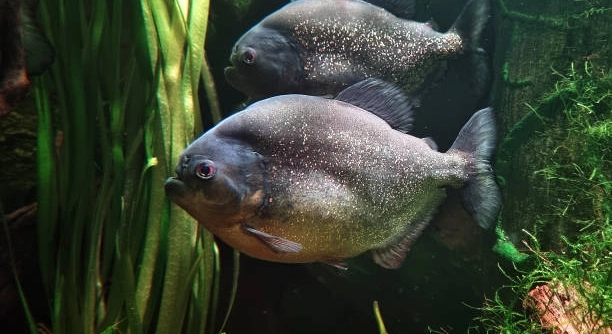
Piranhas are known for their sharp teeth and quick movements. They usually gather closely in groups, but certain sounds can make them suddenly swim away. These noises may seem unusual but have interesting effects on their behavior.
Seven specific odd noises have been observed to cause piranhas to scatter quickly. These include abrupt clapping, high-pitched whistles, sudden water splashes, and other sharp sounds. These noises disrupt their usual patterns, prompting an immediate response to avoid potential threats.
Understanding these reactions can help us learn more about piranha behavior and their environment. Exploring these unusual sounds reveals surprising ways piranhas communicate and respond around them.
Sudden Clapping Sounds
Sudden clapping noises near water can startle piranhas and cause them to scatter quickly. These sharp sounds mimic disturbances often associated with predators or danger. In natural habitats, piranhas rely heavily on sound cues to detect threats. When a loud clap echoes through the water, it disrupts their focus and triggers a defensive response. This reaction is instinctive, helping them avoid potential harm by moving away from the source of noise. Piranhas are highly sensitive to abrupt changes in their environment, especially unexpected sounds. This sensitivity helps them survive in rivers and lakes where many predators lurk. When the clapping stops, they usually regroup after assessing the safety of their surroundings. This behavior shows how important sound is in their daily survival and how certain noises can influence their actions instantly.
The noise of clapping creates a strong and sudden disturbance that piranhas interpret as a warning. Their scattering is a direct result of this perceived threat.
This sharp, loud noise interrupts the piranhas’ usual calm state and forces them to seek safety. Understanding this reaction helps explain how piranhas use their hearing to navigate threats in their habitat.
High-Pitched Whistles
High-pitched whistles are another type of noise that can make piranhas scatter. These sounds resemble signals made by other aquatic animals or environmental noises. Piranhas are wired to respond quickly to such high-frequency sounds because they can indicate danger or competition. When a sharp whistle pierces the water, it grabs their attention immediately and causes them to move away. This quick movement helps protect them from potential predators or aggressive rivals. In the wild, many fish and animals use similar sounds for communication or warnings. Piranhas’ reaction to these whistles shows their ability to interpret and react to subtle acoustic cues. The whistles disrupt their normal feeding or swimming behavior and cause a sudden change in their group dynamics. This makes the whistles an effective way to influence piranha movement without physical presence.
High-pitched whistles cause piranhas to scatter because they are perceived as signals of danger or unfamiliar presence. This noise quickly breaks their focus and safety in numbers.
Because of their sharp hearing, piranhas detect these sounds from a distance and react by swimming away rapidly. The whistles’ effect demonstrates the important role of sound frequency in aquatic animal behavior. Such noises act as early warnings, helping piranhas avoid conflicts or threats before they get close. In controlled settings, these whistles can be used to manage piranha groups gently, showing the practical side of understanding their response to sound.
Sudden Water Splashes
Sudden splashes in the water cause piranhas to scatter quickly. The noise and movement suggest a disturbance, which they instinctively avoid.
When water suddenly splashes near them, piranhas interpret it as a sign of danger, such as a predator or large animal nearby. This unexpected disturbance breaks their concentration and triggers a swift escape. Their natural response is to swim away to avoid harm, showing how sensitive they are to sudden changes in their environment. This behavior is common in many fish species but is especially noticeable in piranhas because of their defensive nature.
This reaction helps piranhas stay safe in their natural habitat. The splashes disrupt their routine, causing them to react with caution and prioritize survival over feeding or socializing.
Sharp Knocking Noises
Sharp knocking sounds can cause piranhas to scatter almost immediately. These noises are abrupt and distinct, making them hard to ignore.
Knocking noises often mimic natural events like branches hitting the water or the approach of predators. Piranhas rely on hearing to detect such signals and respond by fleeing to safer areas. Their sharp hearing allows them to distinguish these noises from normal background sounds, triggering a defensive action. The knocking interrupts their usual activity, causing a rapid break in their schooling behavior. This quick escape response helps minimize risk and improves their chances of survival.
In controlled studies, knocking sounds have been used to manage piranha movement effectively. Understanding how these noises influence behavior can be valuable for both researchers and those who work with piranhas in captivity. It highlights the importance of auditory cues in their daily lives and how they rely on sound to stay alert and safe.
Loud Bangs
Loud bangs startle piranhas, causing them to scatter immediately. The sudden noise is seen as a threat, making them swim away quickly.
These unexpected noises break their focus and trigger a strong flight response. Piranhas rely on sound to sense danger, and loud bangs create a sharp alarm.
Metallic Clinks
Metallic clinking sounds can disturb piranhas and cause them to move away. The unfamiliar noise signals a change in their environment that they prefer to avoid.
Vibrations from Heavy Objects
Heavy objects hitting the water create vibrations that piranhas can detect easily. These vibrations alert them to possible danger, making them scatter to safer areas.
What causes piranhas to scatter so quickly?
Piranhas scatter quickly mainly because they sense danger through sudden or unfamiliar noises. Their sharp hearing picks up abrupt sounds like claps, splashes, or bangs, which they associate with predators or threats. These noises break their normal behavior and trigger an instinctive response to move away fast for safety.
Are all noises equally effective in making piranhas scatter?
No, not all noises have the same effect on piranhas. Sharp, sudden, and high-pitched sounds tend to cause a stronger reaction than soft or continuous noises. Piranhas react most to noises that are sudden and loud because these are more likely to indicate immediate danger. Repetitive or low-volume sounds usually don’t disturb them as much.
Can piranhas get used to certain noises over time?
Yes, piranhas can become less reactive to noises that happen repeatedly without harm. If they hear a noise often and nothing dangerous follows, they may learn to ignore it. This is a natural adaptation to avoid wasting energy on false alarms. However, sudden new sounds will still cause them to scatter.
Do piranhas respond differently to noises in captivity compared to the wild?
Piranhas in captivity can respond differently because their environment is more controlled and less complex. In the wild, noises might mean predators or environmental changes, so they react strongly. In captivity, familiar sounds like tapping or splashing may lose their impact over time. Still, sudden loud noises will often trigger the same escape behavior.
Is it possible to use sound to manage or control piranha behavior?
Yes, sound can be used to influence piranha behavior to some extent. In research or aquarium settings, sharp noises like knocking or whistles are sometimes used to encourage movement or dispersal. Understanding their sound sensitivity helps handlers keep piranhas calm or direct them safely without physical disturbance.
Why do high-pitched whistles scare piranhas?
High-pitched whistles scare piranhas because they mimic natural warning sounds or signals from other animals. These frequencies stand out underwater and are linked to danger or competition. The whistles interrupt their activities and prompt them to swim away, helping avoid possible threats.
Do piranhas respond to human voices or sounds?
Piranhas are unlikely to respond specifically to human voices because their hearing is tuned to underwater sounds and vibrations. However, loud or sharp noises made by humans near the water, like shouting or banging, can startle them and cause scattering. It’s the suddenness and volume, not the meaning of the sound, that triggers the reaction.
How do vibrations from heavy objects affect piranhas?
Vibrations from heavy objects falling into the water create strong signals piranhas can detect. These vibrations suggest movement or disturbance nearby, which piranhas interpret as potential danger. This causes them to scatter quickly to avoid whatever is causing the vibrations.
Can piranhas differentiate between harmless and dangerous noises?
Piranhas rely on instinct and past experience to judge noises. While they can sometimes learn that certain sounds are harmless, their default reaction is to treat sudden, sharp noises as threats. They don’t analyze the source like humans but respond quickly to protect themselves.
Do all piranha species react the same way to these noises?
Most piranha species show similar responses to loud, sudden noises by scattering. However, the intensity and speed of their reaction can vary depending on species, environment, and individual temperament. Some may be more cautious or aggressive, but the basic survival instinct remains consistent across species.
Piranhas are often seen as fierce fish, but their reactions to sound show a different side. They are very sensitive to sudden and unusual noises in their environment. These sounds, such as clapping, knocking, or splashing, make them scatter quickly. This behavior is a natural defense mechanism that helps them stay safe from predators or other dangers. Understanding how piranhas respond to noise gives us a clearer picture of how they live and protect themselves in the wild. It also reminds us that sound plays an important role in how animals interact with their surroundings.
The way piranhas react to certain noises is not random. Their bodies and senses are designed to pick up on sudden changes around them. When they hear sharp sounds or feel vibrations in the water, they quickly move away to avoid harm. This quick response is essential because it increases their chance of survival. In places where predators are common, reacting fast to sounds can mean the difference between safety and danger. This shows that even small noises have a big impact on how piranhas behave. The noises that make them scatter also highlight how alert and cautious these fish are in their daily lives.
Knowing how noises affect piranhas can be helpful in many ways. For people who study or care for piranhas, understanding these reactions helps in creating a safe environment for them. It also teaches us to respect the natural behaviors of animals and their need for calm surroundings. While piranhas may seem scary because of their teeth and reputation, their response to sound reveals their sensitivity and need to feel secure. This knowledge encourages a better appreciation for these fish beyond the usual myths and fears. Overall, the effect of odd noises on piranhas is an interesting example of how animals use their senses to survive.

Hello,
If you enjoy the content that we create, please consider saying a "Thank You!" by leaving a tip.
Every little bit helps us continue crafting quality advice that supports the health, happiness, and well-being of pets around the world, for pets of all shapes, sizes, and species.
We really appreciate the kindness and support that you show us!