
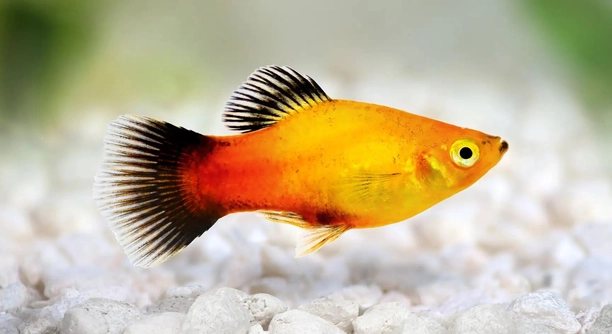
Platies are popular freshwater fish known for their bright colors and peaceful nature. Many new owners notice some strange actions that these little fish often show. Understanding these behaviors can help in caring for them better.
Platies exhibit certain odd behaviors that are completely normal for their species. These include frequent fin flicking, surface gulping, sudden darting, and unusual resting postures. Such actions are typical responses to their environment and health, reflecting natural instincts rather than problems.
Recognizing these common behaviors will help you provide a comfortable home for your platies and appreciate their unique way of interacting with their world.
Fin Flicking and Tail Twitching
Platies often flick their fins or twitch their tails in short bursts. This behavior might look like they are restless or nervous, but it’s actually very normal. Fish use their fins to communicate and adjust their position in the water. Sometimes, platies flick their fins to show excitement or alertness, especially when there is movement nearby. It can also be a way to clean themselves or shake off tiny particles. You might notice this behavior more when they are exploring a new tank or when feeding time approaches. It’s a subtle and natural action that helps platies stay aware of their environment. This fin movement is usually quick and doesn’t last long, but if it becomes constant or is paired with other signs of stress, it might be a good idea to check water quality.
Fin flicking helps platies stay alert and balanced in the water, reflecting their natural habits.
Watching fin flicking can give clues about how your platies feel and interact with their surroundings. When you notice this behavior, it’s a sign they are comfortable and engaged. It’s not a reason to worry unless it happens nonstop or if they seem lethargic afterward. Ensuring clean water and a well-maintained tank supports healthy fin movements. Sometimes, small changes in the tank environment can cause more flicking, such as adding new decorations or tankmates. This behavior adds to the lively nature of platies and shows how they communicate quietly beneath the surface.
Surface Gulping
Surface gulping is when platies swim up to the water’s surface and quickly take in air or water. This is normal and can happen because they need extra oxygen. In tanks with limited surface movement or low oxygen levels, platies will come up more often to breathe. Sometimes it’s just a quick gulp before swimming back down.
When platies gulp air at the surface, it usually means they are getting enough oxygen, but it also signals the need to improve tank aeration. Adding an air stone or improving water circulation can help.
Surface gulping shows how platies adapt to their tank’s oxygen supply. In the wild, water moves constantly, keeping oxygen levels steady. In home tanks, stagnant water or overcrowding may reduce oxygen, making surface visits more frequent. This behavior is a natural way for platies to compensate and stay healthy. Regular water changes and proper filtration also support oxygen levels, so platies don’t have to rely too much on surface gulping. Knowing this helps owners create a better environment that matches their fish’s natural needs.
Sudden Darting Movements
Platies sometimes make quick, sharp movements across the tank. This sudden darting is often their way of reacting to changes or perceived threats in their environment.
These fast movements can be triggered by loud noises, sudden shadows, or the presence of other fish. It is a natural survival instinct, helping them escape potential danger quickly. Although it might look like panic, it’s just a normal way for platies to stay alert. If your platies dart frequently without an obvious cause, check for stress factors such as poor water quality or overcrowding. Reducing disturbances and providing hiding spots can help calm their behavior.
Sudden darting is also common during play or exploration. Young platies especially enjoy quick bursts of swimming as part of their daily activity. This behavior reflects their energetic nature and helps keep them healthy and active.
Unusual Resting Positions
Platies sometimes rest at odd angles, like leaning on plants or floating near the bottom. This is usually normal and part of their resting routine.
Resting in strange positions helps platies conserve energy and avoid predators by blending into their surroundings. It’s common to see them lying quietly in corners or gently swaying with the water current. If they seem healthy otherwise, there is no need for concern. However, if a fish rests on its side or struggles to swim, it could signal illness. Keep an eye on water parameters and watch for other signs before taking action.
Providing plenty of plants and hiding spots allows platies to choose comfortable resting places. This supports their natural behavior and reduces stress. Watching how your fish rest can help you understand their comfort level and overall well-being.
Nipping and Fin Biting
Platies sometimes nip at each other’s fins. This behavior is normal as they establish social order or play.
Occasional fin biting is usually harmless, but constant aggression can stress the fish. It helps to watch for signs of bullying and separate overly aggressive individuals if needed.
Bubble Blowing
Platies occasionally blow small bubbles at the surface or on plants. This is a normal, playful action that may also help them explore their environment.
Bubble blowing shows their curiosity and adds charm to their behavior. It’s not a sign of distress or illness but rather a natural quirk of these fish.
Restless Swimming
Sometimes platies swim back and forth quickly in a small area. This restless swimming often means they are excited or curious about something nearby.
FAQ
Why do platies flick their fins so often?
Platies flick their fins to communicate and stay balanced in the water. This behavior helps them adjust their position and signal alertness. Sometimes it’s also a way to clean themselves or remove irritants. If the flicking is frequent but short, it is usually nothing to worry about.
Is surface gulping a sign of poor water quality?
Surface gulping often means the fish are getting extra oxygen from the water’s surface. It can be a sign that oxygen levels are low, but not always related to poor water quality. Improving aeration with an air stone or filter helps reduce this behavior. Regular water changes also keep oxygen levels stable.
What causes sudden darting movements in platies?
Sudden darting is a natural response to perceived threats or environmental changes. Loud noises, shadows, or new tankmates can startle platies. This quick movement helps them avoid danger. If darting happens often without cause, check for stress factors like overcrowding or bad water conditions.
Is it normal for platies to rest in strange positions?
Yes, platies sometimes rest at odd angles or lean on plants. This helps them conserve energy and stay hidden from predators. If the fish looks healthy, there’s no need to worry. However, resting on their side or struggling to swim can indicate illness.
Why do platies nip each other’s fins?
Fin nipping is part of how platies establish social order. Occasional nipping is normal and often playful. If it becomes constant or aggressive, it can cause stress and damage. In that case, separating the aggressive fish is a good idea.
What does bubble blowing mean in platies?
Bubble blowing is a curious and playful behavior. Platies create bubbles on plants or the surface to explore their surroundings. It is not a sign of distress but a harmless quirk that shows their natural curiosity.
Why do platies swim restlessly in one spot?
Restless swimming usually means platies are excited or curious. They may be reacting to food, tank changes, or new objects. This behavior is common and shows they are engaged with their environment.
How can I reduce stress that causes odd behaviors in platies?
Maintaining clean water, providing hiding spots, and avoiding overcrowding are key to reducing stress. Sudden changes in lighting, temperature, or tankmates should be minimized. A calm, stable environment helps platies feel safe and behave normally.
Are odd behaviors always a sign of illness?
Not always. Many odd behaviors are normal and part of how platies interact with their environment. Watching for other signs like color loss, clamped fins, or lethargy helps determine if illness is present. Regular tank maintenance supports healthy fish.
When should I consult a vet or expert about platy behavior?
If odd behaviors persist along with signs of poor health—such as weight loss, unusual swimming, or visible injuries—it’s best to consult a vet. Early intervention can prevent serious problems and keep your platies healthy.
Platies are small fish with big personalities. Their unusual behaviors, like fin flicking, darting, and surface gulping, might seem strange at first. But these actions are normal and natural ways platies react to their surroundings. Understanding these behaviors helps you know when your fish are healthy and comfortable. It also makes caring for them easier and more rewarding. Each platy shows its own little habits, which are part of their charm. Watching them closely can be a calming and enjoyable experience. You begin to see how these tiny creatures adapt and communicate in their aquatic environment.
Taking care of platies means paying attention to their needs. Good water quality, proper tank size, and enough hiding places all help reduce stress and keep odd behaviors from becoming signs of trouble. When platies behave differently, it’s often their way of telling you something about their environment. For example, surface gulping points to a need for more oxygen, while sudden darting may mean they feel startled. By learning to read these signs, you can create a better home for your fish and avoid health issues. Consistent tank maintenance and gentle handling will help platies feel safe and thrive.
In the end, odd behaviors in platies are part of what makes them interesting pets. They have natural instincts and ways of coping that might look strange but are perfectly normal. Knowing this makes it easier to care for them and enjoy watching them grow. Patience and observation are key to understanding your platies’ actions. With time, you will feel more confident in recognizing normal behavior and spotting potential problems early. This knowledge helps you give your platies a happy and healthy life.

Hello,
If you enjoy the content that we create, please consider saying a "Thank You!" by leaving a tip.
Every little bit helps us continue crafting quality advice that supports the health, happiness, and well-being of pets around the world, for pets of all shapes, sizes, and species.
We really appreciate the kindness and support that you show us!