
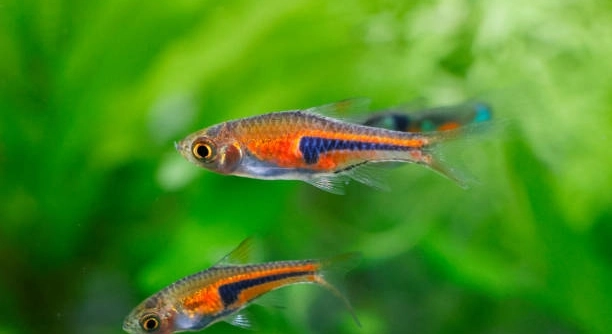
Rasboras are small, vibrant fish often kept in home aquariums. Observing their behavior can give insight into their well-being. Recognizing signs of happiness in these fish helps ensure they live healthy and stress-free lives in captivity.
Happy rasboras display active swimming patterns, interact positively with tank mates, maintain bright coloration, feed readily, explore their environment, and show natural schooling behavior. These observable traits indicate proper care, low stress levels, and an environment conducive to their overall health.
Noticing these behaviors allows aquarium owners to maintain an environment where rasboras thrive. These observations are key to promoting their ongoing happiness and vitality.
Active Swimming Patterns
Rasboras that are happy move through the tank with purpose and energy. They glide smoothly among plants, decorations, and open spaces, rarely hiding for long periods. Observing their motion can show whether they feel secure in their environment. When swimming in coordinated groups, they demonstrate comfort and social well-being. Fast, erratic swimming can indicate stress, but steady, flowing movement reflects satisfaction. The water quality, temperature, and tank setup all influence their activity. Providing open areas, hiding spots, and proper water conditions encourages natural swimming. Over time, you may notice subtle changes, such as more daring exploration or synchronized schooling. A healthy, active rasbora uses different tank levels, exploring both top and middle areas, showing curiosity. Watching them interact with each other reinforces their need for a balanced, supportive environment. Their consistent, lively motion is an excellent measure of overall happiness and vitality.
Happy rasboras are generally alert, energetic, and explore their tank without hesitation.
Regular observation of swimming patterns helps maintain their mental and physical health, ensuring they remain vibrant and stress-free.
Bright Coloration
Bright, vivid colors in rasboras are a strong indicator of their well-being. Dull or faded hues often signal poor nutrition or stress. A proper diet rich in nutrients supports pigmentation, while a clean, stable environment prevents color loss. Healthy lighting also enhances natural shades. Social interaction with other fish encourages normal behavior and coloration. When rasboras feel safe and content, their scales shimmer with liveliness. Watching color intensity over time can show subtle improvements or issues. Environmental changes, such as new decorations or rearranged plants, may temporarily affect appearance but usually normalize. Stress reduction, including avoiding overcrowding, contributes to maintaining bright hues. Observing color alongside behavior gives a complete picture of happiness. Well-fed, active fish with shiny, clear scales are generally thriving.
Color brightness reflects overall health and contentment.
Consistent color and vibrancy are signs that rasboras are receiving proper care. They thrive when diet, social environment, and water conditions are balanced, showing their natural beauty while maintaining energy and vitality. Proper tank maintenance, avoiding sudden changes, and providing a stimulating yet secure environment all contribute to keeping their colors rich and scales smooth. Bright coloration is not only pleasing to observe but also a practical indicator of their mental and physical state, allowing you to respond quickly if issues arise. By supporting their needs, you encourage natural behaviors that make them more interactive and visible, creating a lively aquarium. The interplay between diet, water quality, and social interactions ensures that colors remain vivid over time, reflecting true happiness in your rasboras.
Positive Interaction with Tank Mates
Happy rasboras engage calmly with other fish. They swim together in harmony, avoiding aggression, and often mirror each other’s movements. Mutual respect among tank mates indicates comfort and security in their environment.
Social behavior strengthens their confidence and reduces stress. Fish that coexist peacefully show contentment, participating in schooling without chasing or hiding. Conflicts are rare, and interactions remain balanced, reflecting a stable habitat. Observing their responses to newcomers or changes in the tank can reveal adaptability. A well-set tank with proper numbers of companions encourages natural social dynamics, keeping rasboras engaged and mentally stimulated.
Rasboras that interact positively maintain routine patterns and coordinated movement. This behavior reinforces their overall well-being, making the aquarium a lively and balanced space. Regular observation ensures social harmony and prevents isolation or stress.
Readiness to Feed
Happy rasboras respond eagerly during feeding times. They approach food promptly, showing alertness and anticipation, which signals proper health.
Consistent feeding behavior is a strong indicator of contentment. When rasboras eagerly eat, it demonstrates they feel secure, trust the environment, and have good appetite. Hesitation or refusal to feed often reflects stress or illness. A balanced diet that includes flake food, small live food, or frozen options ensures nutrition while promoting natural foraging instincts. Observing their feeding order also shows hierarchy and comfort within the group. Maintaining regular feeding schedules helps them develop routine and reduces anxiety, encouraging active participation during meals. Proper nutrition strengthens color, energy, and social interactions.
Feeding response reflects both physical and mental well-being. Happy rasboras show enthusiasm for food, maintaining strength and vitality. By monitoring eating habits, you can quickly detect changes in behavior or health, allowing for timely adjustments to their diet or tank conditions. Ensuring that all fish receive food reduces competition stress and promotes uniform growth. Over time, consistent observation builds familiarity with their patterns, helping maintain a harmonious and thriving environment. Their readiness to feed is not just a sign of hunger but also of trust and satisfaction in their home.
Exploration of Environment
Happy rasboras investigate their tank with curiosity. They swim through plants, around decorations, and across open spaces, showing confidence and comfort in their surroundings.
They rarely stay hidden for long, preferring to explore. This behavior reflects security and satisfaction, indicating a healthy and well-maintained habitat.
Natural Schooling Behavior
Rasboras display synchronized swimming, moving together in coordinated patterns. This natural schooling reduces stress and increases safety, creating a sense of community. Observing these patterns provides insight into their well-being. When fish swim as a group, they maintain balance, respond to changes, and communicate through movement. Disruption in schooling may suggest stress, illness, or environmental issues. A proper tank setup, with enough space and companions, supports consistent schooling behavior. Regular observation helps identify shifts in behavior, ensuring interventions when needed. Schooling is both instinctive and a reflection of comfort, making it a reliable indicator of happiness in rasboras.
Calm and Relaxed Posture
Rasboras at ease hold a steady, relaxed posture while swimming. They do not dart excessively or cling to surfaces.
FAQ
How can I tell if my rasboras are happy?
Happy rasboras show active swimming, bright coloration, and positive interaction with tank mates. They explore their environment, feed readily, and maintain natural schooling behavior. Calm, steady movements and relaxed posture are also key indicators of contentment and overall well-being.
What does active swimming look like?
Active swimming is smooth, coordinated, and purposeful. Happy rasboras glide through all areas of the tank, using top, middle, and bottom spaces. They rarely hide and often move with their group in synchrony. Erratic or frantic swimming may indicate stress, while lethargy can suggest illness or poor conditions.
Why is bright coloration important?
Bright, vivid colors signal good health and low stress levels. Dull or faded colors often result from poor nutrition, illness, or poor water conditions. Proper lighting, a balanced diet, and a stable environment help maintain their natural hues, reflecting overall satisfaction and vitality.
How do rasboras interact with other fish?
Happy rasboras engage calmly with tank mates, swimming in harmony and often mirroring movements. Aggression or hiding is minimal. Peaceful interaction shows comfort and security. Balanced social dynamics reduce stress and encourage natural behaviors, promoting a harmonious and thriving aquarium community.
What feeding behavior shows happiness?
Rasboras that respond eagerly during feeding times, approaching food promptly, demonstrate alertness, trust, and proper health. They show routine feeding patterns and rarely compete aggressively. Regular feeding schedules, varied diet options, and proper portions maintain appetite and support both physical and mental well-being.
Why is exploration important?
Exploration reflects confidence and curiosity. Happy rasboras swim through plants, decorations, and open spaces without hesitation. This behavior indicates a secure environment and helps reduce stress, encouraging natural behaviors like foraging and social interaction, which are critical to their overall happiness.
What is natural schooling behavior?
Schooling behavior involves synchronized swimming in coordinated patterns. It provides safety, reduces stress, and demonstrates social cohesion. Disruption in schooling can signal environmental or health issues. A proper tank setup with enough space and companions encourages consistent schooling, highlighting comfort and contentment in rasboras.
How can posture indicate contentment?
Calm, relaxed posture while swimming is a sign of happiness. Rasboras maintain steady positions, avoid darting or clinging, and appear comfortable in their environment. This posture shows they feel safe, well-fed, and unstressed, reflecting both mental and physical well-being.
What tank conditions help rasboras thrive?
Stable water parameters, appropriate temperature, clean water, and sufficient space contribute to happiness. Proper decorations, plants, and hiding spots support natural behaviors. Social balance and compatible companions further enhance comfort, reducing stress and encouraging active, healthy lifestyles.
Can diet affect happiness?
Yes, a varied and balanced diet supports energy, coloration, and behavior. High-quality flakes, frozen or live foods provide nutrients for vibrant colors and sustained activity. Feeding schedules and portion control prevent competition and promote consistent growth and social harmony.
How do I maintain a stress-free environment?
Avoid overcrowding, sudden changes, and aggressive tank mates. Maintain water quality and provide natural hiding spaces. Gentle introduction of new fish and decorations minimizes disruption, helping rasboras feel secure and content in their habitat.
Why is observation important?
Regular observation helps identify changes in behavior, feeding, or coloration. Early detection of stress or illness allows timely intervention. Understanding their normal patterns ensures that care practices support health, happiness, and long-term vitality of the fish.
Can environmental enrichment improve happiness?
Yes, decorations, live plants, and varied swimming areas stimulate natural behaviors. Enrichment reduces boredom, encourages exploration, and supports mental well-being. A dynamic environment allows rasboras to express instincts, improving both physical fitness and overall contentment in the tank.
How do rasboras show trust in their environment?
Rasboras demonstrate trust by exploring, feeding openly, and interacting calmly with companions. They maintain consistent schooling, swim confidently, and exhibit relaxed posture. Trust indicates a secure, stable habitat where their needs for socialization, nutrition, and comfort are met.
What are common signs of unhappiness?
Lethargy, hiding, faded colors, refusal to eat, or erratic swimming indicate stress or illness. Aggression or avoidance of tank mates can also signal problems. Monitoring these signs helps prevent long-term issues and ensures timely adjustments to tank conditions or care practices.
How often should I check on their behavior?
Daily observation is ideal. Short, consistent checks allow you to notice subtle changes in activity, coloration, or interactions. Frequent monitoring ensures a balanced environment, early detection of problems, and ongoing reassurance that rasboras are thriving and happy.
Can stress affect feeding and schooling?
Yes, stress can reduce appetite and disrupt schooling behavior. Overcrowding, poor water quality, aggressive tank mates, or sudden changes can increase stress levels. Addressing these issues promptly helps restore natural behaviors, encouraging active swimming, social cohesion, and consistent feeding habits.
How do I balance social dynamics in the tank?
Ensure a proper number of rasboras and compatible tank mates. Avoid mixing aggressive species. Observe group interactions and adjust numbers or environment if conflicts arise. Balanced social dynamics reduce stress, encourage natural schooling, and support positive behavior patterns, reflecting happiness and well-being.
Are happy rasboras more active overall?
Yes, they explore, feed, interact, and swim energetically throughout the day. Consistent activity indicates proper care, secure environment, and low stress, all of which contribute to overall health and contentment. Active rasboras maintain vibrant coloration, strong immune function, and a healthy social dynamic.
What small changes can improve happiness?
Adjusting lighting, adding plants, providing hiding spaces, maintaining clean water, and ensuring a balanced diet all enhance well-being. Minor adjustments can have significant impacts on behavior, coloration, and social interactions, making the aquarium a secure, stimulating, and happy environment for rasboras.
Observing rasboras closely can reveal a lot about their happiness and well-being. Small behaviors, like active swimming, schooling, and exploring the tank, are simple indicators that they feel secure and comfortable. Bright coloration, calm posture, and positive interactions with other fish further reinforce their overall contentment. Paying attention to these signs helps maintain a healthy environment and ensures that they thrive in captivity. Providing consistent care, clean water, proper temperature, and suitable companions are all essential factors that contribute to a peaceful and balanced aquarium. When rasboras feel safe and confident, they naturally display the behaviors that signal their satisfaction. Over time, these patterns become easier to recognize, allowing for better adjustments and proactive care.
Feeding habits also offer insight into their state of happiness. Eager participation during feeding times demonstrates not only trust in the environment but also proper nutrition and good physical health. Maintaining a varied diet, including flakes, live, and frozen foods, supports energy levels, vibrant coloration, and general activity. A regular feeding schedule encourages routine and reduces competition or stress among the fish. Observing how they respond to food can indicate when something might be off, whether it’s water quality, social dynamics, or health concerns. By paying attention to their appetite and behavior during feeding, it is easier to provide the proper care they need to remain healthy and happy. Healthy feeding routines combined with environmental enrichment, like plants, decorations, and open swimming spaces, promote natural behaviors and mental stimulation.
Finally, maintaining a well-balanced environment is key to their long-term well-being. Proper tank setup, consistent water quality, and stable temperature allow rasboras to feel secure and confident. Social dynamics within the tank play a major role in their contentment, so ensuring compatibility and adequate group size is important. Daily observation of their behavior, coloration, and interactions provides early insight into potential issues, making it easier to address them before they affect health or happiness. When all these factors are considered, rasboras are more likely to display the natural behaviors that indicate a thriving and stress-free life. Watching them swim actively, explore freely, and interact peacefully offers reassurance that they are comfortable and well-cared for, creating a balanced, lively aquarium environment that benefits both the fish and the observer.

Hello,
If you enjoy the content that we create, please consider saying a "Thank You!" by leaving a tip.
Every little bit helps us continue crafting quality advice that supports the health, happiness, and well-being of pets around the world, for pets of all shapes, sizes, and species.
We really appreciate the kindness and support that you show us!