
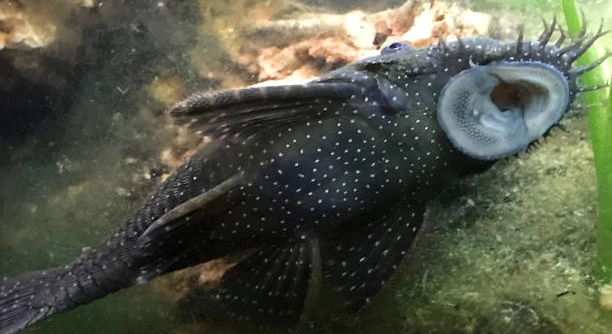
Do you ever find yourself unsure if you’re feeding your pleco the right way or offering it the best diet possible?
The best way to ensure proper pleco nutrition is by establishing a consistent feeding routine, offering a mix of vegetables and protein, and monitoring their intake. These habits support health, digestion, and overall well-being.
These seven simple feeding habits can help you avoid common mistakes and keep your pleco thriving in its tank.
Feed at the Same Time Every Day
Plecos do best when their feeding schedule stays the same. Feeding them at different times each day can lead to stress and uneven eating patterns. Choose a time when the tank is quiet, and lights are dimmed. Plecos are mostly nocturnal, so early evening or late at night works best. Try not to miss feedings or change the timing too often. Keeping a regular feeding time helps your pleco feel safe and settled. Over time, they’ll learn when to expect food and come out more willingly. This can also help you keep track of how much they’re eating, which is useful for spotting any issues early on. Setting an alarm or reminder can help you stay consistent. Whether you’re feeding algae wafers, vegetables, or occasional protein, always stick to the same time each day. It’s a small habit that makes a big difference in your pleco’s overall health and routine.
Even if your pleco is shy, regular feeding times can help build trust and encourage more visible activity in the tank.
Many people notice their pleco becoming more active and easier to observe once they’ve established a solid feeding rhythm. It also gives the fish time to digest properly and reduces waste in the tank. Keeping track of your pleco’s habits becomes much easier when you stick to a pattern.
Avoid Overfeeding
Plecos don’t need as much food as you might think. Feeding too much can quickly dirty the tank and affect water quality.
It’s easy to overestimate how much a pleco eats, especially when they’re hiding during the day. Leftover food will break down in the tank, adding extra waste and making the water cloudy. This can also throw off your tank’s balance and cause algae growth or harmful bacteria. A good rule is to give only what your pleco can eat in about two hours. For wafers, one is usually enough depending on your pleco’s size. For veggies, remove any leftovers after a few hours. Watch your fish’s behavior—if they seem sluggish or the tank smells off, feeding may be too frequent or too heavy. Smaller, more controlled portions work better and help you monitor your pleco’s intake. It also keeps your tank cleaner, meaning fewer water changes and a healthier environment.
Offer a Mix of Vegetables and Protein
Plecos need more than just algae wafers. A balanced diet with vegetables and protein helps keep them strong and active. Rotate between foods to avoid nutritional gaps and keep them interested.
Vegetables like zucchini, cucumber, spinach, and peas are great options. Slice them thin and soften them by blanching in hot water for a few seconds. This makes it easier for your pleco to eat. Attach them to a veggie clip or weigh them down with a spoon so they don’t float. Offer veggies a few times a week and remove any leftovers after a few hours to keep the tank clean. For protein, use sinking pellets, bloodworms, or shrimp once or twice a week. Protein is especially important for young or growing plecos, but even adults benefit from the occasional boost. Alternating between different food types helps support digestion, growth, and immune health.
Watch how your pleco responds to new foods. Some may prefer leafy greens, while others go for root vegetables or wafers. If they ignore something, try it again later or offer a smaller amount. Food preferences can change as they grow. Avoid feeding high-fat or processed foods like cooked meats or bread. Keeping it simple and natural works best for their digestion. A well-fed pleco is more likely to be active and less likely to nibble on plants or tank decor.
Use Sinking Foods Only
Floating food won’t reach your pleco. These fish eat at the bottom of the tank, so only offer sinking foods like wafers, pellets, or weighted veggies.
Plecos aren’t built to chase food around the tank. They prefer to graze slowly along the bottom or on surfaces like driftwood. That’s why sinking food is the better choice. Floating food stays at the top, where plecos rarely feed, and it usually ends up being eaten by other fish. Using sinking wafers or pellets helps make sure your pleco gets its fair share. For vegetables, weigh them down using clips or place them under decorations. This keeps the food in place and reduces waste. Proper feeding placement also lets you observe your pleco’s eating habits more easily and helps ensure they’re getting enough food each time. It’s a small step that leads to better feeding results and cleaner water.
Remove Uneaten Food
Leaving uneaten food in the tank can quickly cause problems. It breaks down, affects water quality, and may lead to cloudy water or bad smells. Always check after a couple of hours and take out anything your pleco didn’t eat.
This also helps prevent overfeeding. When food sits too long, it’s hard to know how much your pleco actually ate. Removing leftovers keeps things cleaner and gives you better control over their diet. It’s a simple habit that supports both your fish’s health and your tank’s cleanliness.
Feed According to Pleco Size
Smaller plecos don’t need as much food as larger ones. A juvenile may be fine with half a wafer or a small slice of vegetable every other day, while larger plecos will need more volume and more frequent feeding. Adjust portion size as your pleco grows. Watch how much they eat in one session—if they leave food behind often, you’re likely giving too much. If they finish everything quickly and look for more, it might be time to slightly increase the portion. Feeding based on size helps prevent waste, keeps your pleco satisfied, and avoids health issues caused by over- or underfeeding.
Include Driftwood for Grazing
Many plecos need driftwood in their diet. It supports digestion and gives them a natural place to graze throughout the day.
FAQ
How often should I feed my pleco?
Most plecos do well with feeding once a day, especially in the evening or after lights are dimmed. If you’re offering vegetables, 3–4 times a week is enough. Protein-based food should be limited to 1–2 times weekly. Young or growing plecos may need smaller portions more frequently, while adults need less. Feeding too often leads to leftovers, which pollute the tank. Stick to a routine and watch how much your pleco eats. Adjust based on activity and appetite.
What vegetables can plecos eat?
Safe vegetables include zucchini, cucumber, spinach, lettuce, kale, peas, and carrots. Always blanch or soften veggies before placing them in the tank. Slice thin and weigh them down so your pleco can reach them. Avoid starchy or high-sugar vegetables like corn or sweet potato. Also skip anything seasoned or cooked in oil. Rotate veggie types to keep your pleco interested and ensure a balanced intake. Remove any leftovers after 2–3 hours to prevent tank waste and keep the water clean.
Can plecos survive on algae alone?
No, most plecos can’t survive on algae alone. While algae is part of their diet, it doesn’t give them all the nutrients they need. Algae in a tank may not be enough, especially in clean or newer tanks. A mix of sinking wafers, vegetables, and occasional protein ensures better health. Without variety, plecos may become malnourished, sluggish, or prone to illness. Don’t rely solely on glass algae or wafers marked as “algae-based.” A balanced approach makes a big difference.
What protein sources are best for plecos?
Good options include sinking carnivore pellets, bloodworms, brine shrimp, and shrimp-based wafers. Offer these sparingly—once or twice a week. Too much protein can cause bloating and water quality problems. Young plecos need more protein, especially when growing. Older plecos do well with more fiber and plant-based foods. Stick to sinking types, since plecos feed at the bottom. Avoid fatty or processed foods like bits of meat or human leftovers. Always feed in small amounts to prevent tank mess.
Why is my pleco not eating?
This can happen for several reasons. The tank may be too bright, or the water conditions might be off. Plecos are shy and usually eat at night, so it’s easy to miss their feeding. If food is left untouched overnight, check your water parameters first. Make sure ammonia, nitrite, and nitrate levels are safe. Also check for tank stress—like bullying from other fish or a lack of hiding spots. Sometimes plecos ignore food they don’t like. Try changing the type or texture, and keep the feeding spot consistent.
Do plecos need driftwood in their diet?
Yes, especially for wood-eating species like Bristlenose or Clown plecos. Driftwood helps with digestion and gives plecos a place to graze throughout the day. It also provides shelter and reduces stress. Choose aquarium-safe wood like Malaysian or Mopani driftwood. Avoid sharp or untreated pieces. Some plecos will rasp on the wood daily—it’s a natural behavior that supports gut health. Even plecos that don’t eat wood still benefit from having it in the tank for comfort and structure.
Can I leave vegetables in the tank overnight?
It’s best not to. While some plecos eat slowly, leaving veggies overnight can affect water quality. Uneaten food starts to break down and cloud the water. After 2–3 hours, check if the food is mostly gone. If not, remove it. You can re-offer a fresh slice the next evening. This keeps your tank cleaner and helps you gauge how much your pleco eats. Over time, you’ll learn how much is enough. Clean feeding routines lead to healthier tanks and fish.
Final Thoughts
Feeding your pleco the right way doesn’t have to be difficult. With a few simple habits, you can help your pleco stay healthy, active, and well-fed. Things like feeding at the same time each day, removing uneaten food, and choosing sinking options make a big difference. Plecos may not always show it, but they respond well to routine. When their diet is balanced and their feeding environment is calm, they tend to be more relaxed and visible. These small actions also help you avoid common tank problems like dirty water, algae growth, or food waste.
A mix of vegetables and protein is important for proper nutrition. Algae wafers alone aren’t enough. Adding blanched vegetables, occasional protein, and even driftwood can improve your pleco’s health. Watch how much your pleco eats, and always adjust the portion to their size and behavior. What works for one fish may not be right for another. If you see leftover food often, it’s a sign to cut back. If your pleco is finishing everything quickly, you may need to give a bit more. Pay attention to how they respond to each type of food. Over time, you’ll get a good sense of what they enjoy and what keeps them feeling their best.
Plecos are peaceful and low-maintenance fish, but that doesn’t mean their care should be overlooked. Feeding is one of the most important parts of keeping them healthy, and it’s something you can improve with just a few changes. Whether you’re feeding a Bristlenose, a Common Pleco, or another type, the basic habits stay the same. A consistent, clean, and thoughtful feeding routine supports their growth and helps avoid long-term problems. It also makes it easier for you to enjoy your tank without constant cleaning or guesswork. Sticking to these habits will not only benefit your pleco but also help your aquarium thrive as a whole.

Hello,
If you enjoy the content that we create, please consider saying a "Thank You!" by leaving a tip.
Every little bit helps us continue crafting quality advice that supports the health, happiness, and well-being of pets around the world, for pets of all shapes, sizes, and species.
We really appreciate the kindness and support that you show us!