
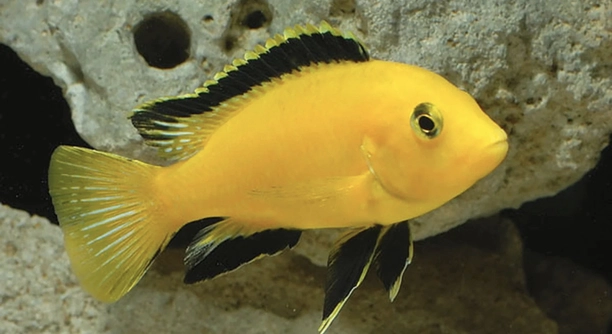
Electric Yellow Cichlids are known for their vibrant colors and lively personalities during the day. However, their nighttime behaviors reveal a more subtle, often overlooked side. Observing them at night provides insight into their natural instincts and habits.
At night, Electric Yellow Cichlids display distinct behaviors such as reduced swimming activity, territorial resting, subtle foraging, burrow maintenance, group clustering, color fading, and heightened environmental awareness. These patterns are consistent across healthy specimens and reflect their nocturnal adaptations.
Understanding these unique nighttime activities helps aquarists better care for their fish. Observing these habits can improve tank setups, feeding schedules, and overall fish well-being.
Reduced Swimming Activity
At night, Electric Yellow Cichlids noticeably slow their movements. They often hover near rocks or decorations, conserving energy while remaining alert to changes in their environment. This reduced activity is natural and helps them maintain stamina for feeding and social interactions during the day. Observing this behavior can reassure aquarists that the fish are healthy and not stressed. Sudden restlessness or erratic swimming could indicate illness or improper tank conditions. Maintaining a consistent light-dark cycle encourages this natural rhythm, supporting overall well-being. By keeping nighttime calm and limiting disturbances, you provide an environment that mirrors their natural habitat. This also allows the cichlids to rest and recover from daytime activity. Over time, these nightly patterns create a predictable routine, benefiting both the fish and those caring for them. Recognizing the signs of normal versus abnormal nighttime activity ensures timely interventions when needed. Watching this behavior can also deepen your appreciation for their complex daily patterns.
Nighttime stillness is normal, signaling proper adaptation and reduced stress.
Monitoring these periods closely helps aquarists detect early signs of health issues and maintain optimal tank conditions for their cichlids, ensuring stability and comfort in the aquarium environment.
Territorial Resting
Electric Yellow Cichlids often claim preferred spots in the tank for nighttime resting. They may return to the same rock crevice or sand patch each evening. This territorial resting reduces conflicts and maintains social order.
By occupying specific areas at night, cichlids reinforce their hierarchy. Dominant individuals secure the prime locations, while others adapt to secondary spaces. These territories provide safety and a sense of security, which supports natural behaviors and reduces stress. Aquarists can encourage this by arranging hiding spots, caves, and decor that allow each fish to establish a personal area. Environmental enrichment, such as smooth rocks and gentle substrates, enhances comfort and promotes healthy rest patterns. It is important to avoid sudden rearrangements, as disrupting these territories can cause agitation and nighttime disturbances. Consistent lighting and minimal night-time interference further reinforce territorial habits. Observing where and how each cichlid rests provides valuable insight into their social dynamics and well-being. Understanding these patterns ensures proper care and supports a peaceful, balanced aquarium environment for all the fish.
Subtle Foraging
Even at night, Electric Yellow Cichlids occasionally search for food. They move slowly along the substrate, picking up small particles or algae, showing that their feeding instincts remain active despite lower light levels.
This nighttime foraging is not as intense as daytime feeding but is important for their natural rhythm. By quietly exploring their surroundings, cichlids maintain muscle activity and continue to interact with the environment. Offering occasional small feedings in the evening can support this behavior without overfeeding. Observing how they forage provides insight into individual preferences and health. Some cichlids focus on algae, while others prefer leftover flakes or pellets. These patterns reveal both social hierarchy and personal habits. Ensuring a balanced diet during the day reduces excessive nighttime searching.
Over time, this behavior contributes to a healthier tank ecosystem. Nighttime foraging can also help reduce excess algae growth naturally, as fish nibble on surfaces while resting. Monitoring these movements allows aquarists to confirm that the fish are comfortable and active in their environment.
Burrow Maintenance
Electric Yellow Cichlids often rearrange sand and small stones at night, reinforcing or creating burrows. This behavior helps them feel secure and marks their territory clearly.
Burrow maintenance is a natural instinct that allows cichlids to modify their environment for comfort and safety. They may dig under rocks or move substrate to create hiding spots that reduce stress. Observing which fish engage most frequently in this behavior can indicate dominant individuals, as they often secure the most favorable areas. Providing soft sand or fine gravel encourages natural digging and prevents injuries. Avoiding sharp or coarse substrates ensures safety during nighttime activity. This behavior also contributes to the overall health of the aquarium by aerating the substrate and helping manage waste buildup. Regular observation can help aquarists identify any environmental issues if digging becomes excessive or aggressive. Over time, the consistent practice of burrow maintenance strengthens the cichlids’ adaptation to their tank and enhances their overall well-being.
Group Clustering
Electric Yellow Cichlids often gather in small groups at night. This clustering provides a sense of security and reduces stress during dark hours, keeping the fish calm and comfortable.
Grouping behavior also helps maintain social bonds. Fish within the cluster can sense each other’s movements and respond quickly to any disturbance, reinforcing their natural instincts.
Color Fading
At night, these cichlids show a noticeable reduction in brightness. Their yellow hues become muted, which is a natural adaptation to low light and reduces visibility to potential threats.
Color fading is a physiological response controlled by pigment cells called chromatophores. This dimming allows the fish to conserve energy and remain less conspicuous. Observing this behavior confirms the fish are resting normally and adjusting to their environment. Providing stable lighting and minimal disturbances at night ensures healthy color cycles and overall well-being.
Heightened Environmental Awareness
Even during dark hours, Electric Yellow Cichlids remain alert. They respond to subtle vibrations and changes in water movement, showing their natural vigilance and readiness to react.
This sensitivity helps prevent unexpected conflicts or stress. By monitoring environmental cues, the fish maintain safety while resting, which reflects their instinctual adaptation to their habitat.
Why do Electric Yellow Cichlids cluster together at night?
Electric Yellow Cichlids naturally seek safety in numbers. Group clustering reduces stress and provides a sense of security during nighttime hours. In the wild, this behavior protects them from predators. In an aquarium, it is a sign that the fish feel comfortable and are following instinctual patterns. Clustering also helps them maintain social bonds and respond to minor disturbances more efficiently. Observing this behavior indicates normal social interaction and overall tank health.
Why do their colors fade at night?
Color fading is a normal physiological response. Electric Yellow Cichlids’ bright yellow coloration dims in low light because pigment cells, called chromatophores, adjust to darkness. This reduces visibility to potential threats and conserves energy. The fading is temporary and reversible with daylight or artificial lighting. Consistent lighting schedules help maintain a healthy color cycle. Significant or prolonged fading may indicate stress, illness, or poor water quality. Monitoring these changes helps aquarists assess fish well-being.
Do Electric Yellow Cichlids eat at night?
Nighttime foraging is common but subdued. Cichlids may nibble on leftover flakes, pellets, or algae, though they are less active than during the day. This behavior supports their natural rhythm, keeping them engaged with their environment and helping maintain muscle tone. Night feedings are optional but can be offered in small amounts. Observing nighttime foraging allows aquarists to confirm that the fish are healthy and adapting well to tank conditions. Avoid overfeeding, as uneaten food can harm water quality.
Why do they dig or maintain burrows at night?
Burrow maintenance is instinctual. Electric Yellow Cichlids move sand, small stones, and decorations to create secure resting spots and mark territory. Digging reduces stress by giving fish control over their environment. Soft substrates like sand encourage this behavior safely. Providing adequate hiding spots and avoiding sudden tank rearrangements ensures they feel secure. This behavior also improves substrate aeration and contributes to tank health. Excessive digging can indicate overcrowding or environmental stress.
Are nighttime behaviors affected by tank lighting?
Yes, lighting strongly influences behavior. A consistent light-dark cycle helps Electric Yellow Cichlids establish predictable routines for rest, foraging, and social interactions. Sudden changes or prolonged light at night can disrupt these behaviors, increasing stress and aggression. Dim or no lighting allows natural nighttime patterns, including reduced swimming, burrow maintenance, and clustering. Observing behavior changes when adjusting lighting helps identify the ideal schedule for a healthy, balanced aquarium environment.
How can I tell if their nighttime behavior is normal?
Normal nighttime behaviors include reduced swimming, clustering, burrow digging, muted colors, subtle foraging, and environmental awareness. Sudden restlessness, erratic swimming, or constant hiding may indicate stress, illness, or poor water conditions. Tracking these behaviors regularly ensures fish are healthy and adapted to their tank. Maintaining proper temperature, water quality, and lighting supports normal activity patterns. Consistent observation helps aquarists detect early problems and provide timely care, ensuring the long-term well-being of their Electric Yellow Cichlids.
Do all Electric Yellow Cichlids behave the same at night?
Individual differences exist, but overall patterns are consistent. Some fish may be more active or dominant, securing prime resting spots, while others take secondary positions. Variations in foraging or burrow maintenance are normal and reflect personality and social hierarchy. Recognizing these differences helps aquarists accommodate all fish, ensuring peaceful interactions. Observing each fish’s habits provides insight into health, social structure, and comfort levels within the tank.
Final Thoughts
Observing Electric Yellow Cichlids at night offers a unique perspective on their natural behaviors. Unlike the energetic activity seen during the day, nighttime shows a calmer, more deliberate side of these fish. Reduced swimming, clustering in groups, and resting in preferred spots all demonstrate how they conserve energy while remaining alert to their environment. These behaviors are not random; they reflect instincts developed over generations for survival and social stability. By paying attention to these patterns, aquarists can better understand their fish’s daily rhythms and overall well-being. Nighttime observation also reveals details that are often missed during daytime viewing, such as subtle foraging, burrow maintenance, and changes in coloration. These activities contribute to the fish’s health and show how they interact with their habitat in a quiet, controlled manner.
Maintaining proper tank conditions is key to supporting these natural behaviors. Consistent lighting, suitable substrate, and adequate hiding spots all encourage comfort and security. A well-arranged tank allows each cichlid to claim a personal space, which reduces stress and aggression. Additionally, proper water quality, temperature, and feeding schedules support physiological functions like color cycling and energy management. Understanding that nighttime behavior is an extension of daytime activity helps aquarists plan care routines that respect the fish’s natural rhythm. Recognizing individual differences, such as which fish are more dominant or more active at night, ensures that all inhabitants are accommodated and that social balance is maintained. Observing these patterns carefully can prevent misunderstandings about behavior that might otherwise seem concerning but are actually normal.
Electric Yellow Cichlids are complex creatures whose nighttime behaviors are just as important as their daytime actions. These patterns show instinctual responses, social hierarchy, and adaptations to their environment. Paying attention to reduced swimming, burrow maintenance, subtle foraging, group clustering, and color fading provides insight into their physical and mental state. Supporting these behaviors through careful tank setup and consistent routines promotes long-term health and reduces stress. Observing and understanding these nightly habits enhances the aquarium experience, offering both visual enjoyment and a deeper appreciation for the species. Nighttime behaviors are a window into the natural instincts of Electric Yellow Cichlids, and recognizing them ensures these vibrant fish thrive in captivity while maintaining their natural routines.

Hello,
If you enjoy the content that we create, please consider saying a "Thank You!" by leaving a tip.
Every little bit helps us continue crafting quality advice that supports the health, happiness, and well-being of pets around the world, for pets of all shapes, sizes, and species.
We really appreciate the kindness and support that you show us!