
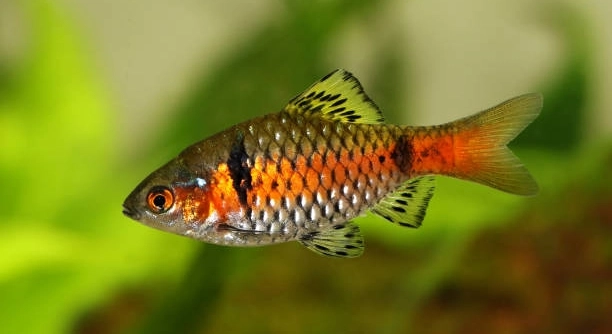
Rosy barbs are popular freshwater fish known for their vibrant color and active nature. Many new fishkeepers find them appealing but often face challenges when first caring for them. Understanding common beginner errors can make the experience smoother.
New fish owners frequently make mistakes such as overfeeding, improper tank setup, poor water quality management, and inadequate acclimation. These errors cause stress in rosy barbs, impacting their health and behavior significantly. Correct practices help maintain a healthy environment for these fish.
Recognizing these common pitfalls early will improve your success with rosy barbs and help keep them thriving in your aquarium.
Overfeeding Rosy Barbs
Overfeeding is a common mistake that causes a lot of stress for rosy barbs. Many new fishkeepers believe that feeding more will make their fish healthier, but it actually has the opposite effect. Excess food can pollute the tank, leading to poor water quality. Uneaten food breaks down and produces harmful substances like ammonia, which is toxic to fish. Overfeeding can also cause obesity and digestive problems in rosy barbs. It is important to feed them only what they can eat within a few minutes, usually twice a day. Using small portions and removing leftover food helps maintain a clean and healthy tank environment. Feeding a varied diet with high-quality flakes, pellets, and occasional live or frozen food supports their health without overwhelming the tank system.
Feeding less but more often encourages natural foraging and reduces waste. This simple adjustment improves water quality and fish well-being.
Controlling the amount of food also limits excess nutrients in the water that can cause algae growth and reduce oxygen levels. When food is given in proper amounts, rosy barbs remain active and healthy, avoiding issues related to poor diet and tank pollution. Adjusting feeding habits is one of the easiest ways to reduce stress for your fish.
Inadequate Tank Setup
A small or overcrowded tank stresses rosy barbs quickly. They need space to swim and hide.
Poor Water Quality Management
Maintaining clean water is critical for rosy barbs’ health. Dirty water causes stress and illness. Frequent water changes and proper filtration are essential.
Regular water changes remove toxins like ammonia and nitrites, which build up from waste and uneaten food. A strong filter helps keep the water clear and oxygenated. Testing water parameters often ensures conditions stay safe. pH, ammonia, nitrite, and nitrate levels must be monitored and kept within the ideal range for rosy barbs. Ignoring these factors can lead to disease and poor behavior.
Changing 20-30% of the water weekly is a good routine. Avoid sudden changes in temperature or chemistry to prevent shocking your fish. Using water conditioners to neutralize chlorine and chloramine is necessary when adding tap water. Clean tanks reduce stress and support a healthy immune system.
Incorrect Acclimation Process
Acclimating new rosy barbs too quickly can shock them, causing stress or death. Slowly adjusting them to new water conditions is important.
Using the drip acclimation method, where water from the new tank is slowly mixed with the transport water over an hour, helps fish adjust. Sudden changes in temperature, pH, or hardness overwhelm their systems. Avoid adding fish directly from bags to the tank without acclimation. This careful process reduces mortality rates and promotes healthier fish.
Allowing fish time to adapt to their new environment helps them settle faster and reduces aggressive or shy behavior caused by stress. It also lowers the chance of infections linked to weakened immune response. A proper acclimation routine sets the foundation for successful care and longevity.
Overcrowding the Tank
Overcrowding reduces swimming space and raises waste levels quickly. Rosy barbs need room to move and hide to stay healthy.
Too many fish cause stress, aggression, and poor water quality. A proper tank size with fewer fish helps maintain balance and reduces illness.
Ignoring Compatible Tank Mates
Choosing incompatible tank mates causes stress and fighting among rosy barbs. Aggressive or very large fish threaten their safety.
Peaceful community fish that thrive in similar water conditions are best companions. Avoid species that nip fins or dominate the tank to keep rosy barbs calm.
Neglecting Regular Tank Maintenance
Skipping routine cleaning and water changes leads to toxin buildup and poor water quality. This weakens fish health and increases disease risk.
Consistent maintenance is necessary to support a stable, healthy environment. A clean tank keeps rosy barbs active and vibrant.
FAQ
How often should I feed my rosy barbs?
Feeding twice a day is usually enough. Give only what they can eat within two to three minutes. Overfeeding causes water pollution and health issues. Use small portions and remove any uneaten food promptly.
What size tank is suitable for rosy barbs?
A minimum of 20 gallons is recommended for a small group. Rosy barbs are active swimmers and prefer to live in groups of at least six. A larger tank reduces stress and keeps water quality stable.
How do I test water quality for rosy barbs?
Use a water testing kit to measure ammonia, nitrite, nitrate, and pH levels. Ideal pH is around 6.8 to 7.8. Ammonia and nitrite should be at zero, nitrate below 20 ppm. Test water weekly to catch problems early.
Can rosy barbs live with other fish?
Yes, but choose peaceful species that thrive in similar water conditions. Avoid aggressive fish or fin nippers. Good tank mates include tetras, danios, and peaceful catfish. Proper compatibility reduces stress and aggression.
How do I acclimate new rosy barbs?
Use the drip acclimation method to gradually introduce fish to the tank water over an hour. Slowly mix tank water with transport water to avoid shock from sudden changes in temperature or chemistry.
What are signs of stress in rosy barbs?
Signs include hiding, loss of color, clamped fins, and reduced activity. Stress often results from poor water quality, overcrowding, or incompatible tank mates. Addressing these causes improves fish well-being.
How often should I clean the tank?
Perform partial water changes of 20-30% weekly. Clean filters monthly, but avoid removing all filter media to preserve beneficial bacteria. Regular cleaning prevents toxin buildup and supports healthy fish.
What temperature do rosy barbs prefer?
They thrive in temperatures between 64°F and 72°F (18°C to 22°C). Sudden temperature shifts can cause stress. Use a reliable heater and thermometer to maintain stable conditions.
What diet is best for rosy barbs?
A varied diet including high-quality flakes, pellets, and occasional live or frozen foods like brine shrimp or daphnia is ideal. This ensures balanced nutrition and supports their natural activity levels.
How can I prevent diseases in rosy barbs?
Maintain clean water, avoid overcrowding, and quarantine new fish before adding them to the tank. Healthy diet and proper acclimation also help reduce disease risks. Early detection and treatment are important if illness occurs.
These questions cover common concerns that new rosy barb keepers face. Following these simple guidelines helps ensure your fish stay healthy and stress-free.
Rosy barbs are beautiful and lively fish that can bring a lot of enjoyment to an aquarium. Taking care of them well means understanding their needs and avoiding common mistakes. New fishkeepers often make errors like overfeeding, overcrowding, and poor water management that cause stress and harm to these fish. By learning the right care methods, such as feeding the right amount, providing adequate space, and keeping the water clean, you can create a healthy environment for your rosy barbs. This helps them live longer, stay active, and show their best colors.
It is important to remember that rosy barbs need stable and comfortable conditions to thrive. Sudden changes in water quality or temperature can quickly stress them. Proper acclimation when introducing new fish reduces shock and improves their chances of adjusting smoothly. Also, choosing peaceful tank mates and regularly maintaining the tank reduces tension and promotes a balanced community. These details might seem small but make a big difference in the overall health of your aquarium. Keeping a consistent routine with feeding, water changes, and observation will allow you to catch problems early and respond before they become serious.
Caring for rosy barbs is rewarding when you pay attention to their basic requirements and avoid common pitfalls. Stress in fish often shows through behavior changes or dull colors, so watching your fish closely can guide you in improving their care. Patience and consistency are key to success. Taking time to research and apply good practices ensures your rosy barbs remain vibrant and lively. With proper care, these fish will continue to be a beautiful and calming presence in your home aquarium for years to come.

Hello,
If you enjoy the content that we create, please consider saying a "Thank You!" by leaving a tip.
Every little bit helps us continue crafting quality advice that supports the health, happiness, and well-being of pets around the world, for pets of all shapes, sizes, and species.
We really appreciate the kindness and support that you show us!