
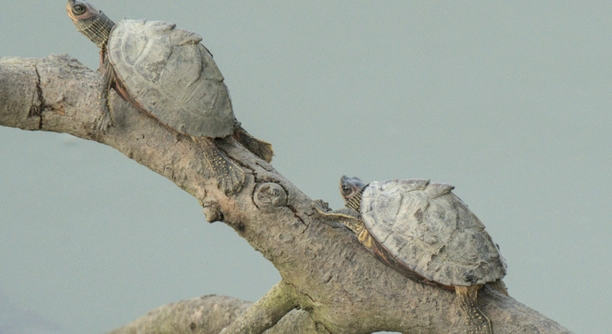
Taking care of an Indian Roofed Tortoise is a rewarding experience. Ensuring their health and wellbeing involves many factors, including boosting their immune system naturally. Understanding the steps to help them thrive is essential for any tortoise owner.
To naturally boost an Indian Roofed Tortoise’s immune system, it is crucial to provide a balanced diet, appropriate environmental conditions, and proper hydration. Additionally, natural supplements such as herbs and antioxidants can support overall health and resilience against illnesses.
In this article, we will explore practical methods to strengthen your tortoise’s immunity. These tips will help create a healthier environment and improve its overall vitality.
A Balanced Diet for Immunity Boost
A proper diet is essential for boosting your tortoise’s immune system. The right balance of nutrients, vitamins, and minerals strengthens their defense against illnesses. Fresh vegetables such as leafy greens, carrots, and dandelion leaves offer essential vitamins, while fruits like papaya and strawberries provide antioxidants. Calcium is vital for shell and bone health, so make sure to include foods like calcium-rich greens, or offer calcium supplements.
Your tortoise’s diet should avoid processed foods or high-fat items, as they can harm their health. A steady supply of fresh, nutrient-dense food will keep their immune system functioning well.
Don’t forget about hydration. Fresh water should always be available. Clean and refill the water bowl regularly, as proper hydration supports digestion and the immune system. By offering a variety of foods and ensuring proper hydration, you’ll create the foundation for a strong, healthy immune system.
Proper Temperature and Humidity Levels
Maintaining correct temperature and humidity is key. Tortoises require a warm basking spot and a cooler shaded area to regulate body temperature.
Heat helps the tortoise digest food and promotes healthy circulation, boosting their immune system. A basking area between 90-95°F (32-35°C) will provide the heat they need. The cooler side of the enclosure should be around 75-80°F (24-27°C). Humidity levels should be moderate, ensuring your tortoise stays hydrated and comfortable.
Proper temperature helps with the digestion of food and absorption of nutrients. An inadequate temperature can make your tortoise more susceptible to illness, as it affects their metabolism and immune response.
To maintain these conditions, invest in a reliable thermometer and humidity gauge. Regular checks will prevent stress on your tortoise’s system, ensuring they stay strong and healthy.
Natural Supplements to Boost Immunity
Certain natural supplements can play a significant role in strengthening your tortoise’s immune system. Herbs like echinacea, oregano, and garlic are known for their immune-boosting properties. These can be offered in small amounts, ensuring they don’t overpower the tortoise’s natural diet.
Garlic, for example, is a natural antibacterial and antifungal agent. It can help fight off infections while promoting overall health. Echinacea, on the other hand, is famous for stimulating the immune system and improving the body’s resistance to diseases.
However, moderation is key. Too much of these supplements can cause digestive issues or harm to your tortoise. It’s essential to integrate them into their diet slowly and in limited quantities, always keeping track of how they respond. Be sure to consult with a veterinarian before starting any new supplement regimen.
Exercise and Natural Sunlight
Exercise is vital for your tortoise’s overall health and immunity. When your tortoise is provided with ample space to roam, it keeps their muscles active, which, in turn, supports a healthy immune response. Allowing your tortoise time outside or in a spacious enclosure encourages natural movement.
Natural sunlight is equally important. Exposure to the sun helps produce Vitamin D, which supports calcium absorption and strengthens bones and shells. Ensure that your tortoise has access to a safe, outdoor environment with proper supervision. If outdoor time is not an option, a UVB light source inside their habitat is essential.
This combination of exercise and sunlight boosts your tortoise’s overall vitality, aiding digestion and enhancing immune functions. Whether outside or in a carefully regulated indoor space, providing opportunities for movement and sunlight ensures your tortoise stays strong and healthy.
Proper Hygiene and Clean Environment
Maintaining a clean environment is crucial for your tortoise’s health. A dirty habitat can lead to infections and stress, which weakens the immune system. Regularly clean the enclosure, removing waste and uneaten food.
Make sure to disinfect surfaces and replace bedding or substrate as needed. This prevents bacteria and parasites from affecting your tortoise’s health. Clean water and fresh food should be provided daily to avoid contamination and ensure proper nutrition.
Avoid Stress and Overcrowding
Stress can weaken a tortoise’s immune system, making it more susceptible to illness. Ensure your tortoise has enough space to move freely and explore. Overcrowding or too much handling can create unnecessary stress.
Avoid placing multiple tortoises in a small space. Stress from overcrowding can lead to fights, injuries, or weakened immune systems. A calm, comfortable environment helps your tortoise feel secure and healthy.
Regular Veterinary Check-ups
Regular check-ups with a vet are essential for detecting any health issues early. Routine exams help ensure your tortoise is in good health and the immune system is functioning properly.
A veterinarian can spot signs of illness before they become serious. Early detection of health problems leads to better treatment outcomes. Regular check-ups can help you monitor your tortoise’s overall well-being and provide peace of mind.
FAQ
How can I tell if my Indian Roofed Tortoise has a weak immune system?
A tortoise with a weakened immune system may show signs such as lethargy, lack of appetite, difficulty moving, or unusual behavior. You may also notice changes in the appearance of its shell, such as discoloration or soft spots. Respiratory issues like wheezing or nasal discharge can indicate an infection. If these symptoms are present, a visit to the veterinarian is necessary to confirm if there’s an underlying immune system issue.
Can I feed my tortoise human food to boost immunity?
While it might seem tempting, feeding your tortoise human food is not recommended. Some foods, like chocolate, avocados, or high-fat foods, can be harmful to tortoises. Stick to a diet of leafy greens, vegetables, and occasional fruit. Certain herbs and natural supplements can help support immunity, but always ensure they are safe and specifically suited for tortoises.
Is it necessary to supplement my tortoise’s diet with vitamins?
It is generally unnecessary to give your tortoise vitamins if it has a well-balanced diet. Providing a variety of fresh vegetables, fruits, and occasional flowers will offer most of the nutrients they need. However, certain situations, such as health issues or poor diet, might require supplementation. Always consult a vet before adding vitamins to your tortoise’s diet to avoid over-supplementation.
How much exercise does my tortoise need?
Tortoises need daily exercise, ideally through supervised outdoor time or by providing a spacious enclosure. Allowing your tortoise to roam freely helps promote healthy movement, muscle development, and digestion. If possible, offer at least an hour of exercise per day, depending on the tortoise’s age and health. Avoid overexertion, especially during extreme temperatures.
Can stress affect my tortoise’s immune system?
Yes, stress can significantly affect your tortoise’s immune system. Stress lowers their ability to fight off infections and may lead to other health problems. Causes of stress include overcrowding, excessive handling, inadequate temperature, or lack of space. Providing a calm and secure environment will help reduce stress and support the immune system.
How often should I clean my tortoise’s enclosure?
Cleaning your tortoise’s enclosure should be done regularly, at least once a week. Remove waste and uneaten food daily to prevent bacteria build-up. Clean the surfaces and replace bedding as needed, and disinfect once a month. Regular cleaning ensures your tortoise remains in a healthy environment and reduces the risk of infection.
How do I know if my tortoise is getting enough calcium?
Calcium is crucial for your tortoise’s bone and shell health. Signs of calcium deficiency may include soft or deformed shells, lethargy, or muscle weakness. To ensure adequate calcium intake, offer calcium-rich foods like dark leafy greens and consider adding calcium supplements to their diet, especially for growing or breeding tortoises. Always consult a vet before introducing supplements.
Can I use UVB lights for my tortoise instead of natural sunlight?
Yes, UVB lights are essential if your tortoise does not have access to natural sunlight. UVB light helps with Vitamin D production, which is necessary for calcium absorption. Ensure the light is placed within the appropriate distance from your tortoise’s basking area and replaced every 6-12 months, as UVB output decreases over time.
What’s the best way to provide hydration for my tortoise?
Fresh water should always be available to your tortoise. Ensure the water bowl is shallow to prevent accidental drowning. Some tortoises prefer soaking in water to hydrate, so offering a shallow dish for them to soak in can encourage hydration. Change the water daily to ensure it stays clean and fresh.
Can I handle my tortoise often?
Handling should be kept to a minimum to avoid stressing your tortoise. While gentle handling is fine, avoid frequent picking up or excessive interaction, as it can cause stress. Give your tortoise time to adjust to its environment and only handle it for necessary tasks like cleaning or vet visits.
Final Thoughts
Taking care of an Indian Roofed Tortoise requires more than just providing food and water. It’s important to understand their needs and provide a suitable environment that supports their health, including their immune system. A clean and spacious enclosure, regular access to natural sunlight, and a balanced diet are all crucial factors. By ensuring these basic needs are met, your tortoise will be better equipped to stay healthy and thrive.
Additionally, natural supplements like garlic, echinacea, and oregano can offer immune-boosting benefits when used in moderation. However, it is essential to avoid over-supplementing and to always consult a veterinarian before introducing any new elements to their diet. Monitoring your tortoise’s behavior for signs of illness, such as lethargy or difficulty eating, is another important aspect of maintaining its health. If any issues arise, early intervention from a veterinarian can make a significant difference in recovery.
In conclusion, supporting your tortoise’s immune system goes hand in hand with general care. From providing proper exercise and hydration to managing stress, these actions all contribute to your tortoise’s overall well-being. Maintaining a safe and stress-free environment, offering nutritious food, and addressing any potential health concerns promptly will help ensure your tortoise lives a long, healthy life.

Hello,
If you enjoy the content that we create, please consider saying a "Thank You!" by leaving a tip.
Every little bit helps us continue crafting quality advice that supports the health, happiness, and well-being of pets around the world, for pets of all shapes, sizes, and species.
We really appreciate the kindness and support that you show us!