
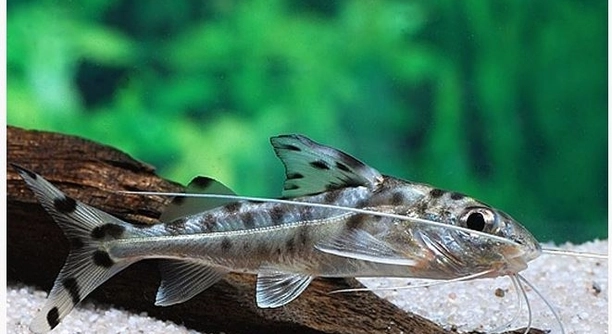
Many fishkeepers enjoy keeping pictus catfish because of their peaceful nature and active behavior. Maintaining a healthy tank environment is essential to support their well-being. Natural tank additives can improve water quality without harming these sensitive fish.
Using natural tank additives such as Indian almond leaves, activated charcoal, and biochar can help maintain water clarity, reduce toxins, and promote beneficial bacteria. These additives are safe for pictus catfish and contribute to a stable, healthy aquatic environment.
Knowing which additives work best can enhance your pictus tank’s health and longevity. This guide will share seven safe, natural options to support your fish’s needs.
Indian Almond Leaves
Indian almond leaves are widely used in freshwater tanks for their natural benefits. These leaves release tannins, which help lower pH levels and soften the water, creating a more natural habitat for pictus catfish. Tannins also have mild antifungal and antibacterial properties, aiding in disease prevention. Adding a few dried leaves to the tank can promote a healthier immune system in your fish. As the leaves decompose, they provide organic material that supports beneficial bacteria growth. This process improves water quality by breaking down waste naturally. Indian almond leaves also add a subtle, natural color to the water, which many hobbyists find appealing. It’s important to monitor water parameters regularly when using leaves, as tannin levels can shift the environment. Most pictus catfish appreciate the shaded areas these leaves create, offering comfort and security. Overall, Indian almond leaves are a simple, natural way to enhance your tank’s health safely.
Indian almond leaves break down slowly, offering long-lasting benefits. They are inexpensive and easy to use.
Using Indian almond leaves regularly can improve your tank’s ecosystem and help keep your pictus catfish healthy and comfortable.
Activated Charcoal
Activated charcoal is a popular additive used to maintain clear and clean water. It absorbs impurities, toxins, and odors effectively without harming fish. Many aquarists use charcoal in their filters to enhance water quality. For pictus catfish, who are sensitive to chemical changes, activated charcoal helps create a stable environment by removing harmful substances. It also reduces discoloration caused by decaying plant matter or fish waste. However, activated charcoal has a limited lifespan and must be replaced every few weeks to remain effective. It doesn’t affect the beneficial bacteria in the tank, so it works well alongside biological filtration. While charcoal cleans the water, it does not add minerals or nutrients, so it should be part of a broader maintenance routine. Using activated charcoal properly can reduce stress in pictus catfish by maintaining clearer, healthier water. It is a simple and reliable additive that complements other natural tank care methods.
Biochar
Biochar is a natural additive that improves water quality by supporting beneficial bacteria growth. It absorbs toxins and helps maintain stable water parameters. Many fishkeepers add biochar to their filters or substrate for continuous filtration benefits without chemicals.
Biochar’s porous structure provides a large surface area for beneficial bacteria to colonize. These bacteria break down harmful ammonia and nitrites, keeping the water safe for pictus catfish. Unlike activated charcoal, biochar can last longer before needing replacement. It also contributes to water clarity by trapping fine particles. When using biochar, it’s important to rinse it thoroughly to remove dust before adding it to the tank. This helps prevent cloudiness in the water. Biochar works well in combination with other natural additives to promote a healthy tank environment. Its ability to enhance biological filtration makes it an excellent choice for sensitive fish species like pictus.
Adding biochar is straightforward and effective. It supports a balanced ecosystem by fostering good bacteria and removing toxins. This makes it a reliable natural additive for maintaining water quality and protecting your pictus catfish.
Peat Moss
Peat moss is often used to soften water and lower pH naturally. It releases tannins and humic acids, which create a more acidic and slightly tinted environment suitable for many tropical fish, including pictus catfish. Using peat moss in the filter can improve water quality and reduce harmful substances.
When added properly, peat moss helps mimic the natural habitats of pictus catfish, promoting their health and reducing stress. It slowly releases beneficial compounds that support fish immune systems and inhibit harmful bacteria growth. However, peat moss should be used carefully, as it can cause the pH to drop too much if not monitored. Regular water testing is necessary to maintain balanced conditions. Peat moss also acts as a gentle natural filter, trapping debris while supporting microbial life. Incorporating peat moss into your tank care routine can be very beneficial, especially for those aiming to create a natural, stable environment for their pictus catfish.
Driftwood
Driftwood releases tannins that naturally soften water and lower pH, creating a comfortable environment for pictus catfish. It also adds hiding spots, reducing stress in your tank.
Regularly soaking driftwood before use prevents excess tannins from discoloring the water too much. This keeps the tank stable and safe for fish.
Indian Almond Leaves Tea
Indian almond leaves tea is made by soaking dried leaves in water, then adding the infused water to the tank. This method delivers tannins and beneficial compounds without adding leaf debris.
The tea helps maintain mild antibacterial and antifungal properties while gently softening water. It can be used during water changes to boost tank health without overwhelming the system.
Green Water Algae
Green water algae occur naturally and can be used as a nutrient source for some fish. However, in pictus tanks, it should be controlled to avoid oxygen depletion.
Light control and proper filtration help manage algae growth, keeping your tank balanced and healthy for pictus catfish.
FAQ
What are the benefits of using natural tank additives for pictus catfish?
Natural tank additives improve water quality by balancing pH, softening water, and supporting beneficial bacteria growth. These additives provide a safer environment compared to chemicals, reducing stress and promoting better health for pictus catfish. They also help maintain stable water conditions, which is crucial for sensitive species.
How often should I add natural additives like Indian almond leaves or peat moss?
The frequency depends on your tank size and water conditions. Generally, Indian almond leaves can be replaced every 2 to 4 weeks as they break down slowly. Peat moss may last longer but requires monitoring of pH levels. Regular water tests help determine when to refresh these additives to maintain balance.
Can I use multiple natural additives at the same time?
Yes, combining additives like biochar, activated charcoal, and Indian almond leaves can enhance water quality by targeting different needs. However, monitor water parameters carefully to avoid excessive changes, especially in pH and tannin levels, which could stress your fish.
Are there any risks associated with using these additives?
Using natural additives improperly may cause pH swings or excessive tannins that discolor water. Overuse might lower oxygen levels if decomposition happens too fast. Always rinse additives before use and add them gradually while testing water regularly to ensure safe conditions.
How do I know if my pictus catfish are benefiting from the additives?
Healthy, active pictus catfish with good appetite and clear skin usually indicate suitable water conditions. Improved water clarity and stable pH levels also show positive effects. If fish display stress signs or unusual behavior, recheck water parameters and adjust additives accordingly.
Is activated charcoal safe for all fish, including pictus catfish?
Activated charcoal is generally safe and effective for pictus catfish when used as part of filter media. It removes toxins and impurities without harming beneficial bacteria. Replace it regularly, as old charcoal loses effectiveness and may release trapped substances back into the water.
Can natural additives replace regular water changes?
No, natural additives support water quality but don’t replace routine water changes. Regular water changes remove waste and refresh essential minerals. Combining water changes with additives creates the best environment for pictus catfish health and longevity.
How do I prepare Indian almond leaves or driftwood before adding them to the tank?
Soak dried Indian almond leaves and driftwood in separate containers for several days to reduce excessive tannin release. This also helps remove debris and prevents cloudiness. Rinse both thoroughly before adding them to your tank to maintain stable water conditions.
What signs show that my tank has too many tannins?
Excessive tannins turn the water dark brown or tea-colored. While this is not harmful in moderation, too much can lower pH drastically and stress fish. If you notice extreme discoloration or behavioral changes, reduce tannin sources and increase water changes to rebalance the tank.
Can biochar be reused, and how do I maintain it?
Biochar can be reused if cleaned properly. Rinse it well to remove trapped debris before reuse. Over time, biochar may lose effectiveness and should be replaced. Maintaining biochar involves regular inspection and cleaning to ensure it continues supporting beneficial bacteria and water quality.
Is green water algae harmful to pictus catfish?
Green water algae in small amounts usually isn’t harmful and can provide a minor food source. However, if it grows excessively, it can deplete oxygen, block light, and cause stress. Controlling light exposure and improving filtration helps prevent overgrowth, keeping the tank safe.
How do natural additives affect the tank’s pH?
Many natural additives, like Indian almond leaves and peat moss, release tannins and acids that lower and stabilize pH. This softens water, which pictus catfish prefer. It’s important to monitor pH regularly because sudden or large shifts can harm fish. Balancing additives and water changes keeps pH stable.
Are there alternatives to natural additives for maintaining pictus tanks?
Yes, chemical water conditioners and synthetic products can adjust water parameters quickly. However, natural additives are preferred for long-term stability and safety. They support the tank’s biological balance and reduce dependency on chemicals, creating a healthier habitat for pictus catfish.
Can these natural additives help with common fish diseases?
Some additives like Indian almond leaves have mild antifungal and antibacterial properties, helping prevent common infections. They support the immune system but are not a cure. Proper tank maintenance and quarantine practices are essential alongside natural additives to keep fish healthy.
Using natural tank additives can make a big difference in keeping pictus catfish healthy and comfortable. These additives help maintain good water quality by balancing pH levels, removing toxins, and encouraging beneficial bacteria. Unlike harsh chemicals, natural additives work gently with the tank’s environment, creating a safer space for your fish. Regular use of items like Indian almond leaves, biochar, or peat moss can support the overall health of your aquarium and reduce stress for your pictus catfish. This means your fish can swim actively, feed well, and avoid many common health issues caused by poor water conditions.
It is important to remember that no single additive will solve all tank problems. A good aquarium setup includes regular water testing, cleaning, and water changes. Natural additives should be part of a balanced approach to tank care. They work best when used alongside proper filtration and maintenance routines. Each additive offers different benefits, so understanding what your tank needs is key. For example, Indian almond leaves provide tannins that soften water, while activated charcoal cleans impurities. Combining these additives carefully helps maintain stable conditions that your pictus catfish will thrive in. Watching your fish for signs of stress or illness and checking water parameters regularly will guide you in adjusting your care routine as needed.
Finally, natural additives are easy to use and often cost-effective, making them accessible for most fishkeepers. They also help mimic the natural habitat of pictus catfish, which comes from slow-moving rivers with soft, tannin-rich water. Using these additives helps create a more natural tank environment, which can improve fish behavior and longevity. When added thoughtfully, natural tank additives contribute to a healthy and balanced aquarium that supports your pictus catfish’s well-being. Keeping a pictus tank healthy takes attention and care, but with natural additives, it becomes a simpler and more rewarding process.

Hello,
If you enjoy the content that we create, please consider saying a "Thank You!" by leaving a tip.
Every little bit helps us continue crafting quality advice that supports the health, happiness, and well-being of pets around the world, for pets of all shapes, sizes, and species.
We really appreciate the kindness and support that you show us!