
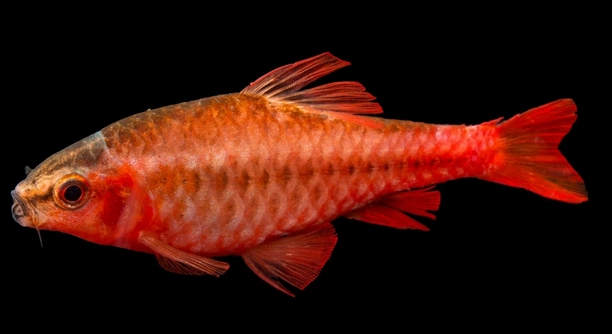
Do you keep cherry barbs and want to create a natural, healthy environment that supports their well-being and activity levels? Adding live plants to their tank can make a noticeable difference in both appearance and function.
Live plants provide natural cover, improve water quality, and mimic the cherry barbs’ native habitat. Certain species offer better benefits, such as oxygenation, algae control, and breeding support, making them ideal choices for cherry barb aquariums.
These plant options can help you maintain a balanced, peaceful setup that supports your cherry barbs’ needs without extra hassle.
Java Moss
Java moss is a low-maintenance plant that adapts well to various tank setups. It thrives in both low and high light and does not need special substrate, which makes it a great choice for beginners. Cherry barbs benefit from the dense cover it provides, which helps reduce stress and supports natural behavior. Java moss also traps small particles in the water, improving clarity. Additionally, it offers a safe place for eggs if your cherry barbs breed. This plant attaches easily to rocks, driftwood, or decorations and grows steadily without overwhelming the tank space.
It can serve as a feeding ground, too. Small organisms like infusoria and microfauna live in its strands, giving cherry barbs an occasional snack between feedings.
If you want to create a peaceful tank where your cherry barbs feel secure, Java moss is one of the best options. It needs very little effort but offers noticeable results over time.
Anubias
Anubias is ideal for tanks with cherry barbs due to its sturdy structure and low upkeep needs. It doesn’t require much light or special conditions to thrive.
This plant has broad leaves that provide cover and resting spots for cherry barbs, helping them feel more secure in their environment. Its thick leaves discourage algae growth and stay clean longer than finer-leaved species. Anubias is also slow-growing, so you won’t have to trim it often. You can attach it to rocks or driftwood using string or plant-safe glue—burying the rhizome will cause it to rot. This flexibility makes it a practical option for many tank layouts. It tolerates a wide range of water conditions, which helps maintain stability in your tank.
Cherry barbs often swim through and hide behind its leaves, especially when stressed or during breeding. Anubias adds structure and balance to your tank without demanding extra maintenance, making it one of the most dependable plants to include.
Hornwort
Hornwort is a fast-growing plant that helps control excess nutrients, which can limit algae growth. It doesn’t need to be planted in the substrate and can float freely or be anchored with decorations or weights.
This plant absorbs ammonia, nitrates, and other waste byproducts, which helps maintain good water quality for your cherry barbs. Its dense needles provide hiding places and reduce stress by breaking up the line of sight between fish. Hornwort also releases small amounts of antibacterial compounds that may help with overall tank health. You don’t need to trim it often unless it starts to crowd the space. Its hardy nature makes it suitable for various tank conditions, and it grows well in both cold and warm water setups.
Cherry barbs tend to swim in and out of the plant’s long stems, using it as cover when startled. Hornwort’s bushy structure mimics the natural conditions cherry barbs are used to in the wild.
Water Wisteria
Water wisteria grows quickly and adjusts to different water conditions without much effort. Its lacy leaves help filter light and provide a shaded space that cherry barbs enjoy resting in during the day.
This plant works best when rooted in a soft substrate but can also be floated for surface coverage. It pulls nutrients from the water, helping to keep things balanced, especially in tanks with moderate bio-load. The leaves offer surface area for biofilm and algae growth, which can support microfauna cherry barbs may pick at while exploring. You’ll need to trim it regularly, but even cuttings can be replanted to expand your aquascape. With consistent lighting and stable water, water wisteria can fill out tanks quickly without overwhelming your setup.
Its structure helps cherry barbs feel safe while adding a lush, green look to the tank. It serves both a decorative and functional purpose in your setup.
Amazon Sword
Amazon swords have large leaves that create a natural shelter for cherry barbs. They prefer root tabs and a nutrient-rich substrate but adapt well once established. Moderate lighting is enough to keep them healthy without much extra care.
Cherry barbs use the plant’s wide leaves for resting and as a spawning surface. It grows steadily without spreading uncontrollably, making it easy to manage in mid to background areas of the tank.
Marimo Moss Ball
Marimo moss balls are compact and low-maintenance. They help reduce nitrates, absorb debris, and provide a soft surface for cherry barbs to explore or rest against.
Water Sprite
Water sprite grows fast and can float or root, offering flexibility in tank layout. Its fine leaves give cherry barbs plenty of hiding spots while improving water quality through nutrient absorption.
FAQ
What are the best plants for cherry barb tanks?
The best plants for cherry barb tanks are those that provide hiding spots, improve water quality, and thrive in similar water conditions. Java moss, Anubias, hornwort, and Amazon sword are popular choices. They help maintain a balanced environment, reduce stress, and mimic natural habitats for your cherry barbs. These plants are low-maintenance and adaptable, making them easy to manage in home aquariums. Each plant offers unique benefits such as oxygenation, algae control, and breeding support.
Can cherry barbs live with live plants?
Yes, cherry barbs can live with live plants. They generally enjoy having plants in their environment, as it provides hiding places, reduces stress, and encourages natural behavior. Live plants also help maintain water quality by absorbing excess nutrients and improving oxygen levels. Cherry barbs are peaceful fish and will not damage most live plants.
How do I care for plants in a cherry barb tank?
Caring for plants in a cherry barb tank involves providing proper lighting, nutrients, and water conditions. Plants like Anubias, Java moss, and Amazon sword require moderate to low lighting. They do not need extra CO2 but benefit from occasional fertilization. Regularly prune fast-growing plants like hornwort and water wisteria to prevent overgrowth. Keep the water clean and perform regular water changes to maintain healthy plant growth.
Do cherry barbs need plants in their tank?
While cherry barbs can survive without plants, having plants in the tank offers several benefits. Plants help create a more natural environment, reduce stress, and provide hiding spots. They also help maintain water quality and offer microfauna that cherry barbs can eat. In addition, plants contribute to a visually appealing tank.
Are there any plants that cherry barbs shouldn’t have in their tank?
Yes, some plants may not be ideal for cherry barb tanks. Avoid plants with sharp edges, like some species of Rotala or Anacharis, as they can harm the fish or cause injury. Also, avoid plants that require high lighting or CO2 injection, as cherry barbs are more suited to low-maintenance environments.
How do I encourage my cherry barbs to breed with plants?
To encourage breeding, create a planted tank with dense vegetation. Plants like Java moss or water wisteria provide the perfect hiding spots for eggs. Cherry barbs lay their eggs in dense plant matter, and the fish often use plants as cover during courtship. Ensure stable water conditions with moderate temperatures, good filtration, and clean water to create a safe, comfortable environment for breeding.
Can plants help with algae control in a cherry barb tank?
Yes, certain plants can help control algae in a cherry barb tank by competing for nutrients. Fast-growing plants like hornwort, water sprite, and Java moss absorb excess nitrates and phosphates, which algae also consume. This natural competition helps prevent algae overgrowth, maintaining a cleaner tank. Regular pruning of plants also ensures they do not contribute to algae problems.
Should I use root tabs for plants in a cherry barb tank?
Root tabs can be useful for plants that require additional nutrients, such as Amazon sword or other heavy root feeders. These plants benefit from the added nutrients in the substrate. However, not all plants in a cherry barb tank require root tabs. Plants like Java moss and Anubias absorb nutrients from the water, so root tabs are not necessary for them. Use root tabs only when needed to avoid overfeeding.
How often should I trim plants in a cherry barb tank?
The trimming frequency depends on the plant species and their growth rate. Fast-growing plants like hornwort and water wisteria may need trimming every few weeks to prevent overgrowth. Slower-growing plants like Anubias require less frequent trimming, typically every couple of months. Regular pruning helps maintain a balanced tank and keeps plants from overcrowding the space.
Can I use floating plants in a cherry barb tank?
Yes, floating plants can be beneficial in a cherry barb tank. Floating plants like water lettuce or duckweed provide cover and reduce light intensity, which can help lower stress levels in the fish. They also help absorb excess nutrients and provide resting spots for the barbs. Just ensure they don’t cover the entire surface, as cherry barbs still need some swimming space.
Final Thoughts
Creating a healthy environment for your cherry barbs is essential for their well-being. Adding the right plants to the tank not only enhances the visual appeal but also benefits water quality. Plants absorb excess nutrients, help control algae, and provide necessary hiding spots, which reduce stress for the fish. The proper plants create a more natural and comfortable setting, allowing cherry barbs to thrive. By selecting hardy, low-maintenance plants like hornwort, Amazon sword, or Java moss, you can easily support your fish’s health without requiring too much maintenance.
In addition to improving water quality, plants play an important role in creating a balanced ecosystem within the tank. They provide surfaces for beneficial bacteria to grow, help oxygenate the water, and offer food sources for fish. Having a mix of rooted plants and floating species can mimic the fish’s natural environment, where they typically seek shelter among dense plant matter. This setup promotes their natural behaviors, such as resting, foraging, and swimming freely through foliage, which is beneficial for both their physical and mental health.
By choosing plants that suit both the needs of your cherry barbs and the conditions of your tank, you ensure a sustainable and beautiful aquarium. It’s important to remember that plants require some care, such as regular trimming and occasional fertilization, but they offer many advantages in return. If you focus on selecting plants that are easy to grow and suited for your tank setup, you can enjoy a thriving, healthy environment for your cherry barbs with minimal effort.

Hello,
If you enjoy the content that we create, please consider saying a "Thank You!" by leaving a tip.
Every little bit helps us continue crafting quality advice that supports the health, happiness, and well-being of pets around the world, for pets of all shapes, sizes, and species.
We really appreciate the kindness and support that you show us!