
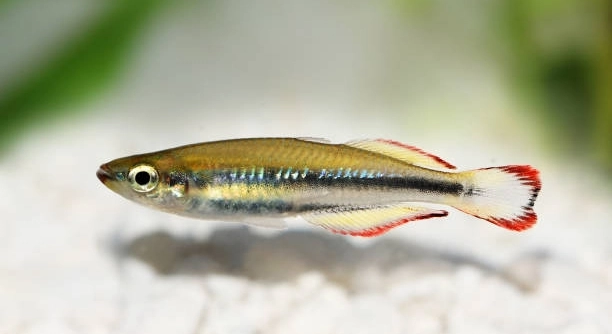
Do you ever find yourself arranging your aquarium and wondering which materials will truly make your rainbowfish comfortable? Creating a natural and healthy environment is essential for these colorful freshwater fish to thrive.
Rainbowfish benefit from natural materials such as smooth river stones, driftwood, aquatic plants, sand substrates, leaf litter, coconut shells, and moss. These elements provide hiding spaces, enhance water quality, encourage natural behaviors, and contribute to a balanced and stimulating habitat.
Choosing the right combination of these materials can significantly improve your rainbowfish’s well-being and make your aquarium a vibrant, thriving environment.
Smooth River Stones
Smooth river stones create a natural base for rainbowfish to swim over and explore. Their rounded edges prevent injuries, making them safer than sharp gravel. Placing these stones in clusters mimics their natural habitats, offering resting spots and subtle hiding areas. Stones also help anchor live plants, keeping them stable and promoting growth. Over time, beneficial bacteria grow on the stones, which supports a healthier aquarium ecosystem. When selecting river stones, ensure they are cleaned thoroughly to avoid introducing contaminants. Stones with varied sizes add visual interest and create small currents in the water, encouraging fish to swim actively. The natural textures of these stones also provide surfaces for algae and microorganisms to grow, which some rainbowfish nibble on. By carefully arranging river stones, you can create a more dynamic, safe, and natural environment that encourages healthy behavior. Smooth river stones are simple but essential elements for a thriving rainbowfish aquarium.
These stones improve water circulation and create hiding spots, which reduces stress for rainbowfish in a planted aquarium setup.
Adding river stones requires thought about placement and spacing. Arrange them to create open swimming areas while providing cozy nooks. Combining stones with sand or fine gravel enhances contrast and creates a natural look. Overlapping stones slightly forms caves and crevices that rainbowfish enjoy. Pairing stones with low-light plants or moss enhances their hiding options while maintaining easy access for feeding. Stones also influence water flow; placing them strategically can encourage gentle currents that promote fish activity. Observing how rainbowfish interact with stones helps refine arrangements. Removing sharp edges, checking for debris, and ensuring stability are crucial for maintaining safety. Over time, river stones become part of the aquarium’s ecosystem, supporting beneficial bacteria and adding subtle textures that enrich the tank environment. By thoughtfully integrating smooth river stones, you create both aesthetic appeal and functional benefits, making the aquarium more comfortable and stimulating.
Driftwood
Driftwood provides natural hiding spots and climbing surfaces for rainbowfish. Its organic structure mimics rivers and streams, helping fish feel secure.
Using driftwood enriches water with tannins, slightly softening it and replicating natural habitats. It also encourages exploration and territorial behaviors. Rainbowfish can nibble on the wood’s surface, which helps maintain their beak-like teeth.
When selecting driftwood, choose pieces free from chemicals and rot. Boiling or soaking it before adding prevents unwanted impurities and reduces tannin release if excessive discoloration is a concern. Driftwood shapes the aquarium’s layout, creating vertical and horizontal spaces that encourage natural movement. Pairing it with plants and stones adds complexity and realism, giving rainbowfish multiple zones for resting, swimming, and hiding. Over time, driftwood develops biofilm and hosts microorganisms, providing supplemental food sources. Its presence can reduce stress by offering secure shelters and areas to establish minor territories. Careful arrangement prevents blocking filtration and ensures water flow remains consistent. Driftwood not only enhances aesthetics but also supports fish health, making it a valuable component in any natural aquarium.
Aquatic Plants
Aquatic plants offer shelter and create shaded areas for rainbowfish. They improve water quality by absorbing nitrates and provide surfaces for microorganisms that fish may nibble on.
Plants like Java fern, Anubias, and hornwort are ideal because they are low-maintenance and do not require intense lighting. Their roots and leaves give rainbowfish spots to rest or hide, reducing stress and encouraging natural behaviors. Floating plants also diffuse light, creating calm zones that make the aquarium feel safer. Plants can be anchored in gravel or attached to driftwood, allowing creative layouts. Over time, plants contribute to a stable environment, balancing oxygen and nutrients. Combining tall and short species adds depth and variety, making the tank visually appealing. Regular trimming keeps growth manageable and prevents overcrowding, ensuring rainbowfish can swim freely. A planted aquarium promotes both aesthetic beauty and healthier fish activity.
Placing plants strategically enhances movement patterns, allowing rainbowfish to explore open water and find hiding spots naturally.
Healthy plants act as natural filters, reducing toxins while giving rainbowfish a sense of security. Their presence encourages grazing and improves overall tank balance.
Sand Substrate
A fine sand substrate is gentle on rainbowfish, preventing injury to their delicate fins and bodies. It also allows natural foraging behaviors as fish sift through the sand.
Sand is easier to clean than gravel, as debris remains on the surface and can be removed with gentle siphoning. It complements other natural materials like stones and driftwood, creating a realistic riverbed feel. Rainbowfish often prefer sand because it mimics their natural habitat, encouraging comfort and activity. Sand helps anchor plants and moss, stabilizing roots while allowing healthy growth. Different shades of sand can highlight the fish’s vibrant colors and enhance tank aesthetics. Over time, sand can develop microfauna, providing an additional food source for rainbowfish. Maintaining proper depth prevents compaction and supports beneficial bacteria growth. Combining sand with natural decorations creates a safe, functional, and attractive environment.
Using sand as a substrate promotes both fish health and the aquarium’s natural appearance. It allows rainbowfish to exhibit instinctive behaviors safely and adds a soft, cohesive look to the tank.
Leaf Litter
Leaf litter provides natural hiding spots and adds organic material to the aquarium. It softens water slightly and releases beneficial tannins that mimic rainbowfish habitats.
Leaves like Indian almond or oak create small caves and shaded areas. They also offer surfaces for microorganisms that rainbowfish may feed on, supporting natural behaviors.
Coconut Shells
Coconut shells offer compact hiding spaces and a unique texture for rainbowfish to explore. They are durable and safe for freshwater aquariums.
Cut and clean the shells thoroughly before adding them. Placing shells in groups or partially buried creates cozy retreats. Rainbowfish often use them to rest, reducing stress and encouraging territorial exploration.
Moss
Moss adds soft coverage to substrates, stones, and driftwood, creating natural textures. It provides microhabitats and enhances water quality slightly.
Rainbowfish enjoy swimming through and around moss. It also hosts microorganisms that serve as supplemental food, supporting a balanced and healthy aquarium environment.
FAQ
What natural materials are safest for rainbowfish?
Smooth river stones, driftwood, sand substrates, aquatic plants, leaf litter, coconut shells, and moss are all safe options. These materials provide shelter, surfaces for microorganisms, and textures that mimic natural habitats. Cleaning and preparing each item before adding it ensures they remain safe and free from contaminants.
How do I prepare driftwood for my aquarium?
Boil or soak driftwood before placing it in the tank. This removes any impurities, reduces excessive tannin release, and prevents unwanted organisms from entering the aquarium. Arranging driftwood thoughtfully creates hiding spots and natural swimming areas, making the tank more comfortable for rainbowfish.
Can all types of leaves be used as leaf litter?
No, only safe, untreated leaves like Indian almond or oak are recommended. They release beneficial tannins that soften water and support natural behaviors. Avoid chemically treated or scented leaves, as these can harm fish and disrupt water balance.
Do rainbowfish interact with sand differently than gravel?
Yes, sand is gentle on their fins and bodies, allowing natural sifting and foraging behaviors. Rainbowfish often prefer sand because it mimics riverbeds, providing comfort and safe exploration. Sand also supports plant growth and beneficial bacteria, enhancing tank health.
How often should aquatic plants be trimmed?
Trim plants regularly to prevent overcrowding, maintain open swimming spaces, and ensure light reaches all areas. Healthy plant growth supports water quality and creates hiding spots for rainbowfish, reducing stress while encouraging natural activity.
Are moss and coconut shells necessary in every tank?
While not mandatory, moss and coconut shells enhance the aquarium’s complexity. Moss provides soft textures and habitats for microorganisms, while coconut shells create cozy hiding spots. Both contribute to fish enrichment and can reduce stress, supporting overall health.
Will tannins from driftwood or leaf litter affect water color?
Yes, tannins can slightly darken water, creating a natural, tea-colored effect. This is generally safe and can replicate rainbowfish habitats. Regular water changes help maintain balance while still allowing beneficial tannins to support fish health.
How should I arrange stones and driftwood for the best effect?
Create clusters and varying heights to mimic natural environments. Leave open swimming areas while providing hiding spots. Stones can anchor plants, and driftwood can form caves. Observing fish behavior helps adjust placements for comfort and enrichment.
Can rainbowfish eat the microorganisms on moss or leaves?
Yes, they often nibble on biofilm and microorganisms, which supplements their diet. This encourages natural foraging and helps keep fish active, supporting overall well-being. Maintaining healthy moss and leaf surfaces ensures a steady microhabitat.
How do natural materials affect aquarium maintenance?
They provide hiding spaces, support beneficial bacteria, and reduce stress, but they also require monitoring. Stones, sand, driftwood, and plants can trap debris, so regular cleaning and water checks are essential. Proper preparation and placement reduce maintenance challenges while promoting a healthy, natural environment for rainbowfish.
Can combining multiple natural materials overwhelm rainbowfish?
Not if arranged thoughtfully. Mixing stones, driftwood, plants, and leaf litter adds variety and enrichment. Ensure open swimming areas remain accessible, and avoid overcrowding. A balanced combination encourages exploration, reduces stress, and mimics a natural habitat without causing confusion or discomfort.
Is it necessary to replace natural materials over time?
Yes, some materials degrade or accumulate debris. Leaf litter and certain plants may need replacing periodically, while stones and driftwood generally last longer. Monitoring condition ensures the aquarium remains safe and supportive for rainbowfish health.
How do natural materials influence rainbowfish behavior?
They encourage exploration, hiding, and foraging, supporting instincts that are often limited in bare tanks. Hiding spots reduce stress, while varied surfaces like moss and stones allow interaction with the environment. This creates a more active, confident, and visually vibrant aquarium.
What should I avoid when adding natural materials?
Avoid sharp edges, chemically treated items, and materials that can decompose too quickly or release toxins. Always rinse or soak items before placement, and observe fish behavior to ensure materials are safe, stable, and functional. Proper selection prevents injury and supports long-term health.
Do natural materials impact water quality significantly?
Yes, they can affect pH, hardness, and nutrient levels. Driftwood and leaf litter release tannins that slightly soften water. Plants absorb nitrates, improving quality. Regular monitoring and maintenance maintain balance while benefiting rainbowfish health. Combining materials thoughtfully ensures both aesthetic appeal and water stability.
Can I mix sand and gravel in one tank?
Yes, but ensure the sand layer is deep enough for foraging and smooth swimming. Gravel can provide structure for plants and stones. Layering requires careful planning to avoid trapping debris and ensure rainbowfish can move comfortably. A mixed substrate can enhance both function and appearance.
How do I know if my rainbowfish are benefiting from natural materials?
Healthy, active, and stress-free behavior indicates positive effects. Fish will explore hiding spots, swim confidently, and engage with surfaces like moss, stones, or driftwood. Observation over time shows whether arrangements support comfort and natural behaviors effectively.
Are there any risks with natural materials in the aquarium?
Potential risks include sharp edges, water discoloration, or decay if items are untreated or improperly maintained. Preparing, cleaning, and monitoring materials mitigates risks, allowing rainbowfish to enjoy a safe and enriched environment. Proper care ensures long-term benefits.
How often should I clean or maintain natural materials?
Spot cleaning as needed prevents debris buildup. Driftwood may need occasional scrubbing, while moss can be trimmed. Leaf litter should be replaced periodically. Sand and stones require minimal cleaning but benefit from gentle siphoning. Regular checks keep the tank balanced and healthy.
Can natural materials enhance the appearance of the aquarium?
Yes, they create depth, texture, and a more lifelike environment. Stones, driftwood, plants, and moss complement each other visually, highlighting rainbowfish colors while providing functional benefits. Thoughtful placement creates a balanced, appealing tank.
What is the best combination of materials for rainbowfish?
A mix of smooth stones, driftwood, live plants, sand, leaf litter, moss, and occasional coconut shells provides varied textures, hiding spots, and enrichment. Observing fish behavior and adjusting placements ensures comfort, activity, and health, creating a natural, stimulating habitat that promotes overall well-being.
Creating a natural environment for rainbowfish is not just about aesthetics—it is about providing a habitat where they can thrive. Using materials such as smooth river stones, driftwood, sand, aquatic plants, leaf litter, coconut shells, and moss helps replicate the conditions found in their native environments. Each of these materials serves a specific purpose. Stones and driftwood offer hiding spots and surfaces for exploration, while sand allows safe foraging and gentle movement across the tank. Plants and moss improve water quality, provide shelter, and support microhabitats that rainbowfish can interact with. Even leaf litter and coconut shells contribute to enrichment, giving rainbowfish areas to rest, hide, and explore. Thoughtful selection and preparation of these materials are key. Cleaning and soaking driftwood, rinsing stones, and removing any potentially harmful leaves ensures that the tank remains safe and stable. Incorporating these natural elements carefully creates a more balanced ecosystem that benefits both the fish and the overall aquarium environment.
Rainbowfish are active, social, and vibrant creatures, and providing them with a habitat that allows natural behaviors is essential for their well-being. Observing how they interact with different elements in the tank can guide adjustments and improvements. For example, placing stones in small clusters or arranging driftwood to form caves encourages exploration and reduces stress. Plants should be positioned to allow both open swimming areas and shaded regions where fish can rest. Moss and leaf litter provide soft textures and surfaces for grazing, while sand supports natural sifting behaviors. Over time, these materials support a dynamic, enriched environment that encourages healthy activity and reduces the likelihood of stress-related behaviors. The combination of functionality and visual appeal also makes the aquarium more engaging to observe. By maintaining proper care, trimming plants, cleaning substrates, and occasionally replacing decaying materials, the tank remains a safe and comfortable home for rainbowfish. This ongoing attention ensures that the natural materials continue to serve their purpose and maintain a stable, thriving ecosystem.
Incorporating natural materials into a rainbowfish aquarium is both practical and rewarding. The benefits extend beyond simply making the tank look attractive. Fish experience reduced stress, increased comfort, and opportunities to engage in instinctive behaviors such as hiding, grazing, and exploring. Water quality improves as plants absorb excess nutrients and surfaces for beneficial bacteria multiply, creating a more balanced environment. The visual diversity of stones, driftwood, and plants adds depth and texture, highlighting the rainbowfish’s vibrant colors and making the tank more inviting. Even small additions, like a piece of moss or a coconut shell, can provide enrichment and comfort. The key is to combine materials thoughtfully, ensuring there are open swimming spaces, secure hiding spots, and safe substrates. With proper care and observation, natural materials transform a simple tank into a stimulating and harmonious habitat. Rainbowfish thrive best when their environment is both safe and enriching, making natural materials an essential part of a well-maintained aquarium.

Hello,
If you enjoy the content that we create, please consider saying a "Thank You!" by leaving a tip.
Every little bit helps us continue crafting quality advice that supports the health, happiness, and well-being of pets around the world, for pets of all shapes, sizes, and species.
We really appreciate the kindness and support that you show us!