
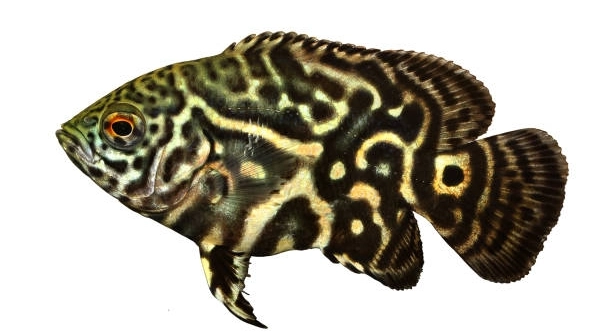
Do your Oscars often seem jumpy or unsettled even when everything in the tank looks just right on the surface?
The best way to help Oscars stay relaxed is by introducing natural items that mimic their native environment. These can reduce stress, provide hiding spots, and support a more balanced behavioral pattern.
From driftwood and dried leaves to smooth stones and floating plants, these simple additions can create a calming space your Oscars will thrive in.
Dried Indian Almond Leaves
Dried Indian almond leaves, also known as catappa leaves, are often used to make aquariums feel more natural for tropical fish. When added to an Oscar tank, they slowly release tannins into the water. This slightly darkens the water, mimicking the shaded, tea-colored rivers Oscars are native to. The leaves also lower the pH, which can make the water more comfortable for them. The gentle drop in light and acidity helps reduce stress levels and aggression. These leaves can also act as hiding spots for smaller fish or young Oscars, providing a feeling of safety. Once they start to break down, they serve as a mild food source for beneficial bacteria and small tank organisms. This helps maintain better water quality overall. The key is not to overload the tank—one or two medium leaves at a time is enough. Replace them when they’ve mostly broken down, about every two to three weeks.
Some Oscars are calmer within just a few days of adding Indian almond leaves.
They’re easy to use—just rinse and drop them in the tank. Their effects are subtle but steady. You may notice your Oscar swimming more slowly, flaring less, and spending more time in calm corners. These signs show they’re feeling more relaxed.
Smooth River Stones
Smooth river stones create a calming and natural bottom layer that Oscars recognize instinctively.
These stones don’t just serve a decorative purpose. They help anchor plants, discourage digging, and offer a natural texture your Oscars can feel under their fins. The roundness of these stones is important—sharp or jagged rocks can cause injury. Oscars are known to move things around with their mouths, so large, smooth stones reduce the risk of damage. They also reflect a soft light that keeps the aquarium from appearing too bright, which can make fish anxious. When placed thoughtfully, they can form gentle hiding areas or resting spots that Oscars may visit often. You can combine them with driftwood or plants for a balanced, earthy look. Just be sure to clean the stones thoroughly before placing them in the tank. Avoid chemically treated or painted stones. Once added, these stones help build a peaceful layout that feels familiar and comforting to your fish.
Floating Plants
Floating plants create soft shade that helps Oscars feel safer. They block harsh light from above and give the tank a gentler, more natural look. The cover also gives shy or stressed Oscars a place to retreat without needing to hide in caves or behind decorations.
Water lettuce, frogbit, and duckweed are all easy choices that float freely at the surface. They grow quickly and don’t need to be planted, which makes setup simple. Oscars usually won’t eat them, but they may nibble at roots now and then. Make sure the plants don’t block the entire surface—your fish still need room to breathe. Some occasional trimming or thinning is helpful. These plants also help remove extra nutrients from the water, which supports overall health. With better lighting control and more cover, your Oscar may stay more relaxed and spend less time darting around or showing signs of stress.
Over time, floating plants can support more natural behavior. Oscars may swim slowly under them, nap more during the day, or interact with the shaded areas more often. If your fish seems tense after water changes or gets startled easily, adding floating plants can offer a soft buffer. It also adds a gentle rhythm to the tank as leaves shift with the water.
Driftwood
Driftwood helps lower the pH naturally, creating a softer environment for Oscars. It releases tannins slowly, which can ease stress and encourage more natural behavior. The darkened water also helps reduce territorial aggression in some Oscars.
It also gives them a place to explore and rest. Oscars often nudge or circle around pieces of wood, especially when they’re feeling more at ease. Make sure to choose untreated, aquarium-safe driftwood to avoid chemical issues.
Clay Pots
Clay pots are simple hiding spots that Oscars often enjoy. The rounded shape feels safe and gives them a break from open spaces. You can lay the pot on its side or angle it slightly in the substrate. Make sure the opening is wide enough so they don’t get stuck.
Live Plants
Some Oscars ignore live plants, while others dig or nip at them. Choose hardy types like Java fern or Anubias, which can be tied to rocks or driftwood instead of being planted in the substrate.
FAQ
How do I know if my Oscar is stressed?
Signs of stress in Oscars include darting around the tank, hiding constantly, refusal to eat, or flashing against objects. They might also display aggressive behaviors, like fin nipping or chasing other fish. A stressed Oscar can also show faded colors or abnormal swimming patterns. If your Oscar isn’t eating or appears lethargic, it might be due to stress caused by poor water conditions, overcrowding, or a lack of hiding spots. Keep an eye on these behaviors to gauge your fish’s comfort level.
What should the water temperature be for an Oscar?
The ideal temperature for an Oscar is between 75°F and 80°F (24°C to 27°C). They thrive in warmer waters, as they are native to tropical regions. Keeping the water too cold can cause lethargy and stress, making them more vulnerable to illness. A stable temperature is key, so invest in a good quality heater and thermometer to maintain consistency. Avoid drastic temperature fluctuations, as they can stress Oscars out quickly.
How often should I change the water in my Oscar tank?
Oscar tanks require regular water changes to stay healthy. Perform partial water changes of about 25% to 30% every week. This helps remove toxins, excess food, and waste. If your tank is heavily stocked or has a lot of bio-load, you may need to change the water more frequently. Regular maintenance helps avoid ammonia spikes, which can stress your Oscar and lead to health problems.
Can Oscars live with other fish?
While Oscars can live with other fish, they are often aggressive and territorial. Larger fish that can hold their own, like cichlids, are good tank mates. However, smaller or more peaceful fish might not fare well with Oscars, as they may be attacked or eaten. Ensure your tank is large enough to give all fish enough space to establish territories and avoid conflict. Keep in mind that Oscars will also pick on sick or weak fish.
How big of a tank does an Oscar need?
An Oscar needs a minimum of a 55-gallon tank, but larger is always better. Oscars are large fish that require plenty of swimming space. A 75- to 100-gallon tank is ideal for a single Oscar, as it gives them enough room to move around comfortably and establish a territory. If you’re keeping more than one Oscar, you’ll need an even bigger tank to avoid overcrowding and reduce stress. Ensure your tank has a good filtration system to handle the high waste levels produced by these fish.
Why is my Oscar not eating?
There are several reasons why an Oscar might refuse to eat. It could be due to water quality issues, such as improper temperature or pH. Stress from changes in the tank or the introduction of new tank mates can also cause them to lose their appetite. Sometimes, Oscars go off food if they’re sick or if the food offered doesn’t appeal to them. Try offering a variety of foods, like pellets, frozen or live food, and monitor water conditions closely. If the issue persists, consider consulting an aquarium vet.
What do Oscars like to eat?
Oscars are carnivorous and prefer a diet high in protein. They will eat a variety of foods, including pellets, freeze-dried or frozen worms, shrimp, and small fish. You can also feed them live foods like feeder fish, but be cautious of parasites in live food. It’s essential to vary their diet to ensure they get all the necessary nutrients. Overfeeding can lead to obesity, so be sure to remove any uneaten food from the tank to maintain good water quality.
Can Oscars live with plants in the tank?
Oscars can live with plants, but they are notorious for uprooting or eating them. If you want to include live plants, choose hardy species like Anubias, Java fern, or Amazon sword, which can be tied to rocks or driftwood instead of planted in the substrate. Floating plants are a good option, as they provide shade and hiding spots without being disturbed too much. However, if your Oscar is particularly destructive, you might need to stick to artificial plants.
How long do Oscars live?
With proper care, Oscars can live for 10 to 15 years. Their lifespan depends on factors such as water quality, diet, and tank size. Keeping them in a stable, clean environment and providing a varied diet can help them live a long, healthy life. Regular check-ups and monitoring of their health will also go a long way in extending their lifespan.
What is the best filtration system for an Oscar tank?
Oscars produce a lot of waste, so a strong filtration system is essential to maintain good water quality. Canister filters are often recommended for Oscar tanks because they provide powerful filtration and are easy to maintain. Aim for a filter that can handle at least 2-3 times the volume of your tank’s water per hour. It’s also a good idea to use a secondary filter, such as a sponge filter, to ensure consistent water circulation and quality. Clean the filter regularly to prevent buildup and ensure it’s working efficiently.
Are Oscars messy?
Yes, Oscars are messy fish. They produce a lot of waste, which can quickly degrade water quality if not kept in check. Regular water changes, a good filtration system, and maintaining a clean substrate will help manage the mess. Oscars also tend to disturb the substrate when swimming, which can stir up waste. This makes it even more important to keep the tank clean and to have strong filtration to handle the high bio-load.
What type of decorations should I use for my Oscar tank?
When choosing decorations, go for items that mimic the natural environment of Oscars. Large rocks, driftwood, and smooth river stones are good choices. Avoid sharp or abrasive decorations, as they can hurt your Oscar. They also enjoy hiding spots, so caves or larger structures where they can seek shelter are beneficial. Keep in mind that Oscars are strong swimmers and will sometimes move decorations, so make sure they’re securely placed in the tank.
Final Thoughts
Creating a relaxed environment for your Oscar doesn’t require a lot of complex steps, but it does take some attention to detail. By adding natural items like driftwood, smooth river stones, and floating plants, you can help mimic the fish’s natural habitat and reduce stress. These simple additions create hiding spots and offer calming features that Oscars find familiar and comforting. Whether it’s soft shade from floating plants or a piece of driftwood to swim around, these elements help your Oscar feel more secure and less likely to display aggressive behaviors or signs of stress.
Water quality is another crucial factor. Oscars thrive in stable conditions with a proper temperature range and clean, well-filtered water. Regular maintenance, including water changes and monitoring the tank’s parameters, is necessary to keep your Oscar healthy and relaxed. A stable tank environment, where the water temperature and pH remain steady, allows your Oscar to feel at ease and avoid the stress that can come from fluctuations. Additionally, keeping the tank size appropriate for the number of Oscars you have ensures they have plenty of space to move freely without overcrowding, which can contribute to tension and aggression.
Overall, paying attention to your Oscar’s needs and creating a calm, natural environment can make a significant difference in their behavior and health. Simple actions like adding natural decorations, maintaining water quality, and providing appropriate tank mates can all lead to a happier and more relaxed Oscar. While it may take some trial and error to find the perfect setup, the effort will pay off in a thriving tank and a contented fish.

Hello,
If you enjoy the content that we create, please consider saying a "Thank You!" by leaving a tip.
Every little bit helps us continue crafting quality advice that supports the health, happiness, and well-being of pets around the world, for pets of all shapes, sizes, and species.
We really appreciate the kindness and support that you show us!