
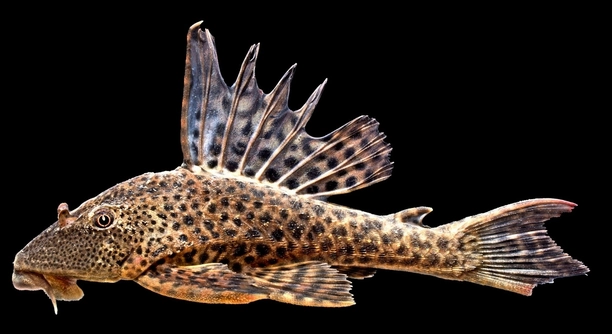
Plecostomus, also known as plecos, are popular aquarium fish that need hiding spots for safety and comfort. These fish prefer a quiet, secure environment to rest and feel secure. Choosing the right hiding places is key to their well-being.
To provide the best hiding spots for plecostomus, opt for natural features like driftwood, rocks, and caves. These areas give the fish a place to feel secure and reduce stress, which is vital for their health and happiness.
Learning where to place hiding spots can help your plecos thrive. Knowing the best options can improve their environment and overall health.
Driftwood: A Natural Shelter
Driftwood is an excellent choice for plecostomus hiding spots. It offers natural cover and can mimic their environment in the wild. When placed strategically, driftwood creates a perfect area for plecos to squeeze into and feel safe. The textures on driftwood also encourage algae growth, which plecos enjoy grazing on, making it both functional and beneficial. Over time, the wood may develop a comfortable, secure space that your plecos can retreat to when they need rest. Just be sure to choose pieces that are smooth and free from harmful chemicals.
Adding driftwood to your tank will not only benefit your plecostomus but also enhance the overall look of your aquarium. A few well-placed pieces can make a significant difference in providing privacy and shelter for your fish.
It’s important to ensure that the driftwood is securely positioned and doesn’t create sharp edges. When it’s placed right, it creates a perfect nook for plecos to rest. Plus, the wood adds a natural aesthetic to your aquarium, making it feel like a more natural habitat.
Rocks and Caves: Secure Hideaways
Rocks and caves are another great option for plecostomus.
Creating small, shaded areas in your tank with rocks or caves will give your plecos a secluded place to hide. Whether you use natural stone or aquarium-safe ceramic caves, these structures provide a sense of safety. Plecos often appreciate tight spaces where they can feel protected.
PVC Pipes: Affordable and Practical
PVC pipes are an inexpensive and effective hiding spot for plecostomus. They’re easy to place and clean, making them a practical addition to any tank. Since they come in various sizes, you can choose one that fits your pleco’s size perfectly.
These pipes are durable, and plecos will enjoy hiding inside them. Their round shape allows plecos to curl up comfortably, and the open ends provide easy access. If you have multiple plecos, adding a few pipes will ensure that each fish has its own space. Just make sure the pipe is long enough for them to turn around easily.
Another benefit of PVC pipes is that they can be easily stacked or arranged to create more complex hiding spaces. Some plecos prefer darker, more enclosed areas, while others might feel more comfortable in a pipe that has an open end. This versatility makes PVC pipes an ideal choice for both shy and curious plecos.
Plants: Natural Hiding Spots
Aquatic plants provide both beauty and function in your aquarium. They offer plecos natural hiding spots that mimic their native habitat. The dense roots and leaves give plecos a place to rest or retreat when they feel threatened.
Plants, such as Java fern or Anubias, not only create hiding spots but also help maintain water quality. The leaves can catch debris, which plecos will sometimes graze on. It’s important to make sure your plants are well-established, so they can thrive and provide adequate shelter. The plants should be placed in areas that plecos can easily access, ensuring they have a safe, quiet retreat.
Having live plants in your tank encourages plecos to behave more naturally. When they can hide amongst the greenery, they feel more secure. It’s also rewarding to watch them interact with the plants, as they explore and even graze on algae.
Rocks with Caves
Rocks with natural caves are ideal for plecostomus. They offer a secure space for the fish to hide, giving them a sense of privacy. These caves can be made from natural stones or aquarium-safe materials. It’s essential to ensure the rocks are smooth to avoid injury.
The caves formed by rocks allow plecos to explore and retreat when they need rest. You can arrange rocks in various shapes to create multiple hiding spots. Plecos appreciate these natural formations because they mimic their wild environment, where they often hide under rocks in streams or rivers.
Plastic Plants: Simpler Option
Plastic plants can also provide hiding spaces for plecostomus.
Although they are not as natural as live plants, plastic plants can still offer shelter and hiding places. They are easy to maintain and don’t require as much care as live plants. Plastic plants can be placed strategically to form shaded spots, giving plecos places to feel secure.
Terracotta Pots: Affordable and Practical
Terracotta pots are another simple and affordable option for plecostomus hiding spots.
These pots are sturdy, and plecos can easily hide inside them. The open ends provide easy access, and their weight ensures they stay in place. You can even bury part of the pot in the substrate to make it more secure.
FAQ
What is the best hiding spot for plecostomus?
The best hiding spot for plecostomus depends on your aquarium setup and the size of your fish. Driftwood, caves, PVC pipes, and rocks with natural crevices all make great options. A combination of these items will give plecos various hiding spots to choose from. For smaller plecos, PVC pipes or plants may work well. Larger plecos will benefit from bigger caves or driftwood that offers more space.
How many hiding spots should I provide for my plecostomus?
It’s recommended to have at least one hiding spot per plecostomus, but more is better, especially if you have multiple plecos in your tank. Having more hiding spots ensures each pleco has its own space to retreat when feeling stressed or when needing rest. Plecos are solitary fish and appreciate having quiet, dark places where they can feel secure.
Can plecostomus live without a hiding spot?
While plecostomus can technically live without a hiding spot, it is not ideal for their well-being. Without a hiding place, they may become stressed and may show signs of aggression or poor health. Providing hiding spots is crucial for their comfort, as it reduces stress and helps them feel safe in their environment.
Are plants important for plecostomus hiding spots?
Yes, plants are important for plecostomus hiding spots. Live plants, in particular, can provide natural cover and mimic the plecos’ wild environment. Plants offer a more dynamic hiding spot, as plecos can weave in and out of the leaves and roots. Additionally, plants contribute to a healthier tank environment by improving water quality, which benefits your plecos.
What types of plants are best for plecostomus hiding spots?
Plants like Java fern, Anubias, and Amazon sword are great choices for plecostomus hiding spots. These plants have dense leaves or roots that plecos can hide in. Java fern and Anubias are hardy, low-maintenance plants that grow well in aquariums. They also offer good cover for plecos to feel protected.
Can plecostomus hide in caves?
Yes, plecostomus love hiding in caves. Caves provide a secluded, secure place where plecos can retreat. Caves made of natural materials like rock or ceramic are ideal. The cave should be large enough for the pleco to enter and turn around inside, but not so large that it doesn’t offer a sense of security.
Is driftwood a good hiding spot for plecostomus?
Driftwood is an excellent hiding spot for plecostomus. It provides a natural, textured surface that plecos enjoy hiding behind or underneath. The nooks and crannies in driftwood allow plecos to feel safe and secure. Additionally, driftwood can grow algae, which plecos will often graze on, making it both a hiding spot and a food source.
How often should I clean plecostomus hiding spots?
It’s important to clean plecostomus hiding spots regularly, as debris and algae can build up over time. Clean the hiding spots about once a week, depending on your tank’s water quality and the amount of waste produced. Gently scrub driftwood, caves, and rocks to remove algae without damaging the surface. Be sure not to disturb your pleco’s hiding spot too much while cleaning, as it can cause stress.
Can plecostomus hide in plastic plants?
Plastic plants can provide hiding spots for plecostomus, though they don’t offer the same natural benefits as live plants. Plastic plants can still help create shaded areas where plecos can rest. However, it’s important to ensure that the plastic plants are smooth and free of sharp edges to avoid injuring your plecos.
Do plecostomus need hiding spots during the day or only at night?
Plecostomus are nocturnal and prefer to hide during the day. They often feel more comfortable and secure when they have a safe place to rest in daylight hours. Providing hiding spots ensures they can have a secure space when they’re most vulnerable. At night, plecos will often become more active and may leave their hiding spots to graze or explore the tank.
Should I provide hiding spots for baby plecostomus?
Yes, baby plecostomus also need hiding spots, although they may require smaller spaces. PVC pipes or smaller caves can offer ideal hiding spots for young plecos. Providing them with a safe space is especially important, as baby plecos are more vulnerable to stress and predation. Keeping them sheltered allows them to grow in a secure environment.
How do I ensure my plecostomus feels safe in their hiding spot?
To ensure your plecostomus feels safe, place hiding spots in quiet areas of the tank, away from direct light or too much tank activity. Plecos prefer dark, secure places where they can rest undisturbed. The hiding spot should also be large enough for them to comfortably enter and exit without feeling cramped. Adding a combination of different hiding spots will give your plecos options and increase their sense of security.
Final Thoughts
Providing hiding spots for plecostomus is essential for their well-being and overall health. These fish need secure areas where they can feel safe, especially since they tend to be more active during the night and prefer resting during the day. Offering various hiding spots ensures that your plecos can retreat to places that make them feel comfortable and secure. Natural hiding spots like driftwood, rocks, and plants help mimic their environment, while PVC pipes or caves provide more structured, controlled hiding areas. The right combination of these options will give your plecos plenty of choices.
When setting up hiding spots, remember that plecostomus are solitary by nature and don’t like being disturbed. This means that each pleco should have enough space and privacy in their hiding spot. Having more than one option, especially if you have multiple plecos, is a good idea. If your plecos feel crowded or stressed, they may not thrive. Properly placed hiding spots will reduce stress and make it easier for them to live in harmony with their environment. These hiding spots are not only for their comfort but also help reduce aggression, as each pleco will have a place to call their own.
In conclusion, creating a well-thought-out aquarium setup with multiple hiding places is crucial for plecostomus. It not only keeps them safe and stress-free but also improves their overall health. A variety of options like plants, driftwood, and caves offers security and can even enhance the beauty of your tank. The more natural and secure the hiding spots, the better your plecos will adapt to their environment. With the right care and attention, your plecostomus will thrive and enjoy a long, healthy life in their safe haven.

Hello,
If you enjoy the content that we create, please consider saying a "Thank You!" by leaving a tip.
Every little bit helps us continue crafting quality advice that supports the health, happiness, and well-being of pets around the world, for pets of all shapes, sizes, and species.
We really appreciate the kindness and support that you show us!