
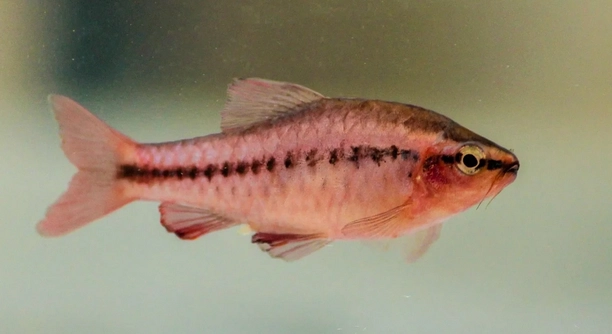
Cherry barbs are peaceful aquarium fish known for their vibrant color and active nature. Providing them with a safe, comfortable environment can enhance their well-being and allow them to thrive. Natural hiding spots play an essential role in this.
Cherry barbs prefer areas with dense plants, rocks, and caves, offering security and a place to retreat. These spots help reduce stress and improve overall health by providing the fish with shelter and a sense of safety.
These hiding spots are crucial to their comfort and will help maintain a stress-free environment. Understanding these preferences can improve the quality of your cherry barbs’ habitat.
Dense Plant Cover
Cherry barbs enjoy having dense plant cover in their tank. Aquatic plants like Java fern, moss balls, and Vallisneria create perfect hiding spots that mimic their natural habitat. These plants offer shelter while still allowing for swimming space. The plants provide not only hiding areas but also oxygenate the water, improving water quality. By creating a natural environment with plenty of plant cover, the fish feel more secure and less stressed. It also helps reduce aggression from other fish in the tank, as cherry barbs can retreat to these areas when needed.
Providing dense plant cover benefits your fish and the overall tank ecosystem. Healthy plants contribute to water quality, which is essential for the well-being of all aquarium inhabitants. Ensure the plants are well-maintained to create a balanced and thriving aquarium. The variety of plant options makes it easy to cater to the needs of your cherry barbs.
Having a balanced mix of plants also offers aesthetic appeal to the tank. Their natural look will bring out the cherry barbs’ vibrant colors. The plants also aid in filtration, which is crucial for maintaining clean water. A well-planted tank is a win for both your fish and the overall environment.
Rocks and Caves
Rock formations and caves are an ideal hiding place for cherry barbs. They are naturally drawn to areas with crevices and caves that provide them with privacy and shelter. These formations replicate natural conditions, helping them feel more at home in their aquarium. By placing rocks strategically, you can create multiple hiding spots for the fish.
Rocks and caves also serve as resting places. When cherry barbs want to retreat from activity, they seek the safety of these structures. They will often swim in and out of these spots, especially when feeling stressed or when trying to avoid other tank mates. These hiding spots ensure that the barbs have a quiet place to rest.
Adding rocks and caves gives a sense of security while maintaining an aesthetically pleasing tank design. In addition to adding hiding spots, they also enhance the natural look of your aquarium. Just be sure the rocks are smooth and safe, as sharp edges can harm your fish.
Floating Plants
Floating plants like duckweed and water lettuce provide cherry barbs with an ideal hiding space. These plants create a natural canopy on the water’s surface, offering shade and shelter from tank lights and other fish. They help reduce the fish’s stress levels.
Floating plants are beneficial for creating a calming environment. They give cherry barbs a place to hide while still allowing them to swim freely underneath. The floating plants also absorb excess nutrients in the water, which helps maintain a balanced ecosystem in your tank. As they grow, they spread across the surface, further enhancing the hiding areas.
In addition to providing hiding spots, floating plants contribute to water filtration. Their roots absorb harmful substances, helping to maintain cleaner water. They also give a more natural appearance to the aquarium while supporting the health of all tank inhabitants. These plants offer a simple yet effective way to enhance your cherry barb’s habitat.
Substrate for Shelter
The right substrate, such as fine gravel or sand, encourages natural behavior for cherry barbs. A soft substrate allows them to root around for food and provides another layer of hiding spots. It also promotes a healthier tank environment.
Fine gravel or sand offers a surface where cherry barbs can create small burrows, adding a touch of security. This substrate mimics their natural environment, making them feel at ease. By adding this layer to the bottom of the tank, you provide them with space to engage in behaviors they would typically do in the wild.
Additionally, a soft substrate helps maintain a cleaner tank. It reduces the risk of debris buildup, which can affect water quality. The natural feel of the substrate encourages the cherry barbs to display more natural behaviors, such as scavenging and exploring, while also benefiting the overall tank setup.
Driftwood
Driftwood can create a natural hiding spot for cherry barbs. The wood offers shade, places to rest, and a textured surface to explore. It also helps improve water quality by releasing tannins, which lower pH and mimic their natural habitat.
Driftwood in the tank not only enhances aesthetics but also adds another layer of shelter. Cherry barbs will often swim around or hide under the driftwood, especially when they need a break from other tank mates. The added shelter creates a more comfortable environment, reducing stress and giving the fish a sense of security.
The tannins released by driftwood contribute to the overall health of the tank. These tannins act as natural antifungal and antibacterial agents, promoting a healthier aquarium environment. Additionally, driftwood can be easily added to a tank, making it a simple and effective choice for improving your cherry barbs’ habitat.
Aquarium Décor
Aquarium décor, such as small statues or caves, can provide cherry barbs with extra hiding spots. These elements can help create a more enriched environment. They also allow for added variety in your tank setup, giving the fish more areas to explore.
Adding a few pieces of décor ensures that your cherry barbs have safe spots to retreat to when needed. While some may enjoy swimming around freely, having secluded areas offers a sense of security. It’s important to avoid décor with sharp edges that could harm the fish.
The right pieces of aquarium décor can turn your tank into a more stimulating and natural environment. In addition to hiding spots, it helps to mimic their natural surroundings, making the cherry barbs feel more at home. As a bonus, it enhances the overall look of the tank.
Water Flow
Cherry barbs thrive in aquariums with gentle water flow. Strong currents can make them feel exposed and stressed. It’s best to adjust the filter or use a sponge filter to maintain a calm water environment.
Keeping the water flow moderate is crucial for cherry barbs. In a more peaceful environment, they are able to swim more comfortably. This can improve their overall health and help them feel secure, as they can freely move and seek shelter when needed. A calm tank setup is essential for their well-being.
It’s easy to maintain a balanced flow in the aquarium by using adjustable filters or adding flow baffles. A proper water flow system not only suits cherry barbs but also benefits other tank inhabitants. It creates an ideal setup for a peaceful, thriving aquatic environment.
FAQ
What are the best plants for cherry barbs to hide in?
Cherry barbs prefer plants that offer dense cover, such as Java fern, Amazon sword, and Anubias. These plants provide the fish with plenty of hiding spots, making them feel secure. Floating plants like duckweed or water lettuce also help by creating shaded areas where they can retreat. Plants with long, thick leaves work well because they give the barbs a sense of privacy while swimming. It’s best to choose plants that thrive in low to medium light, as these create the most ideal hiding spots.
Do cherry barbs like hiding all the time?
Cherry barbs don’t need to hide all the time, but they do seek out places to rest when they feel stressed or threatened. While they are active swimmers, providing hiding spots gives them the opportunity to retreat when necessary. When they feel secure in their environment, they will come out and explore more often. They are social fish, so providing them with enough space and places to hide will make them feel more comfortable in their tank. It’s essential to balance hiding areas with open swimming spaces.
How often should I change the water in my tank for cherry barbs?
Water changes are important to keep the environment healthy for cherry barbs. It’s recommended to perform a 20-30% water change every 1-2 weeks, depending on tank size and filtration. Regular water changes help remove waste and maintain good water quality. Keep an eye on the water parameters, such as ammonia, nitrites, and nitrates, to ensure the water remains safe for your fish. Over time, as you monitor the tank’s ecosystem, you can adjust the frequency and amount of water changes based on the conditions.
Can cherry barbs live with other fish?
Yes, cherry barbs are peaceful and do well in community tanks. They are best kept with other non-aggressive fish of similar size. Avoid aggressive species or large fish that might intimidate or harm the barbs. Cherry barbs tend to get along with other peaceful species, including small tetras, rasboras, and gouramis. However, it’s essential to provide enough hiding spots to ensure all fish in the tank have their own space and feel secure.
How do I create a natural environment for cherry barbs?
Creating a natural environment for cherry barbs involves replicating their native habitat. Start by including plants, both rooted and floating, that offer plenty of hiding spots. Use a soft substrate like fine gravel or sand to mimic the riverbeds they naturally inhabit. Driftwood and rocks also play a significant role in their comfort, as they create natural shelters. Maintain water temperatures between 72-80°F (22-27°C) and ensure good water circulation with a gentle flow. Keeping the water parameters stable is key for their health.
Are cherry barbs low-maintenance fish?
Cherry barbs are relatively low-maintenance, but they still require consistent care to thrive. Regular water changes, monitoring water parameters, and feeding a balanced diet are essential. They don’t require complicated tank setups, but providing enough plants, hiding spots, and suitable water conditions will help them stay healthy. Their hardiness makes them a good choice for beginner aquarists, but it’s important to ensure they are housed in a properly maintained tank to avoid health issues.
Do cherry barbs need a specific tank size?
While cherry barbs are small, they do need enough space to swim and feel comfortable. A tank size of at least 20 gallons is ideal for a small group of cherry barbs. The tank should have a lid, as they can occasionally jump out. Providing enough swimming space and hiding spots will prevent stress and allow them to feel secure. If you plan on adding more fish, make sure there’s sufficient room to accommodate them without overcrowding.
How do I prevent cherry barbs from getting stressed?
Stress in cherry barbs can be caused by overcrowding, poor water quality, or incompatible tank mates. Ensure they have plenty of hiding spots, as a secure environment helps reduce stress. Maintaining stable water conditions, such as temperature, pH, and hardness, is also crucial. Avoid sudden changes in water parameters, as cherry barbs are sensitive to fluctuations. Providing a peaceful, low-stress environment with appropriate tank mates will keep them happy and healthy.
Can I breed cherry barbs in my aquarium?
Yes, breeding cherry barbs in a home aquarium is possible. To encourage breeding, provide them with a well-planted tank with plenty of hiding spots. Cherry barbs typically breed when the water temperature is slightly higher, around 78°F (25°C). The female will lay eggs on plants, and the male will fertilize them. After spawning, it’s a good idea to remove the adult fish from the breeding tank to prevent them from eating the eggs. The eggs usually hatch in 24-48 hours, and the fry can be fed finely crushed food once they are free-swimming.
How can I tell if my cherry barb is healthy?
A healthy cherry barb is active, with vibrant coloration and clear fins. They should be swimming confidently and interacting with other fish in the tank. Pay attention to any changes in behavior, such as lethargy, faded colors, or unusual swimming patterns, as these could indicate stress or illness. Ensure they are eating regularly and that their tank environment is well-maintained. Regular water testing and monitoring for signs of disease, such as external lesions or clamped fins, will help you catch potential health problems early.
Final Thoughts
Cherry barbs are a peaceful and beautiful addition to any aquarium. Their natural behavior and attractive colors make them a popular choice among aquarium enthusiasts. However, to ensure they thrive, it’s important to replicate their natural habitat as closely as possible. Providing them with hiding spots, plants, and appropriate tank mates is essential for their well-being. These simple steps will not only help your cherry barbs feel secure but also enhance the overall look and health of your aquarium. A balanced environment allows them to grow and display their vibrant colors.
Maintaining water quality and temperature is also key. Cherry barbs do well in slightly warmer water, between 72-80°F, and prefer a gentle flow. They are relatively hardy, but poor water conditions can lead to stress and illness. Regular water changes and monitoring of the tank’s parameters will ensure they stay healthy. In addition, it’s crucial to avoid overcrowding, as too many fish can create an environment that is stressful for the barbs. Keeping the tank properly stocked and balanced will create a comfortable living space for them.
Overall, cherry barbs are low-maintenance and adaptable fish that can flourish in a well-maintained aquarium. Their peaceful nature allows them to coexist with a wide range of other species, making them an excellent choice for community tanks. With a bit of attention to their habitat, water quality, and overall care, cherry barbs can thrive for many years, bringing beauty and movement to your aquarium.

Hello,
If you enjoy the content that we create, please consider saying a "Thank You!" by leaving a tip.
Every little bit helps us continue crafting quality advice that supports the health, happiness, and well-being of pets around the world, for pets of all shapes, sizes, and species.
We really appreciate the kindness and support that you show us!