
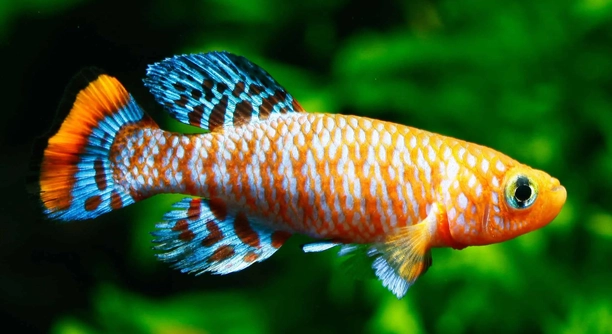
Do your killi fry often seem stressed or invisible in their tank, despite your best efforts to keep them safe and thriving?
The best natural hiding options for killi fry include dense plants like Java moss, floating plants, coconut caves, and leaf litter. These spaces help reduce stress, offer protection from adult fish, and promote healthy fry development by mimicking natural habitats.
These gentle and natural methods offer safe spaces your killi fry will naturally seek out as they grow and explore their surroundings.
Java Moss: A Safe and Simple Choice
Java moss is one of the easiest and most effective hiding spots for killi fry. It creates dense, bushy patches that provide excellent coverage. This plant grows in soft clumps and forms a natural maze of threads where fry can rest and avoid predators. It doesn’t need special care, adapts to most water conditions, and doesn’t require strong lighting. The moss can be tied to rocks or driftwood or left floating. Over time, it spreads and becomes a thick refuge. Fry tend to gather inside it, making it easier to spot and monitor them. It also traps micro-food particles, offering a steady supply of snacks for the growing fry. Its soft texture and gentle movement in the current mimic natural underwater spaces. Java moss is low-maintenance and doesn’t overgrow quickly, making it perfect for beginners. Its appearance also enhances the tank’s look without taking up much space.
It’s a great starting point if you’re looking for something affordable, easy to manage, and effective at fry protection.
I’ve used Java moss in several breeding tanks, and my fry always seemed calmer when tucked inside its threads. Its presence brought noticeable peace to the environment and supported healthy fry survival.
Floating Plants: Shade and Shelter
Floating plants are a gentle solution for providing both light control and top-level hiding spots.
These plants create a canopy that helps fry avoid bright lighting and feel more secure. Species like Amazon frogbit, duckweed, and red root floaters are popular choices. They grow quickly and offer great coverage at the surface. Beneath their roots, fry can find shaded areas that mimic natural habitats. Floating roots also collect microorganisms that provide a valuable food source for fry. This combination of shelter and food encourages fry to stay near the surface, reducing the risk of aggression from adult fish in the lower areas of the tank. These plants don’t need substrate and require little attention beyond occasional thinning to prevent overgrowth. They help stabilize water conditions by absorbing excess nutrients and reducing algae growth. With their soft look and functionality, floating plants enhance the tank’s environment without much effort. They are especially useful in smaller aquariums where floor space is limited.
Leaf Litter: A Natural Bottom Layer
Leaf litter creates a calm, natural layer at the bottom of the tank. Indian almond leaves and oak leaves are commonly used because they break down slowly and offer soft cover for fry.
As the leaves decay, they release tannins that slightly lower pH and create water conditions similar to natural habitats. Fry slip underneath the curled edges to rest or hide from adult fish. The decomposing matter attracts microfauna, which fry feed on, supporting their growth in a more natural way. It’s important to use pesticide-free, dried leaves and to avoid overloading the tank, which could affect water quality. Gently rinse each leaf before adding it to the aquarium.
Leaf litter is one of the easiest ways to give fry multiple benefits in one step—shelter, food, and comfort. I often layer a few Indian almond leaves over soft sand. The fry always seem drawn to the gentle cover and warm-toned water.
Coconut Shell Caves: Compact and Effective
Coconut shell caves offer a sturdy, dark shelter that’s ideal for bottom-dwelling fry. These hollowed shells are small, making them great for tiny tanks or fry grow-out setups.
You can find pre-made coconut hides or make one yourself by hollowing a coconut and smoothing the edges. They last a long time and give fry a place to escape bright lights and larger fish. I like to place them near plant cover, creating a double-layered hiding space that fry seem to enjoy. The hard shell also offers adult fish a place to rest, helping reduce stress across the tank. The natural look blends well with leaf litter or moss, making the tank feel balanced and quiet. Keep an eye on buildup inside the cave, as it can trap waste. A quick rinse during regular maintenance is usually enough to keep it safe and clean for fry.
Rock Piles: Simple but Useful
Stacking smooth river rocks or slate pieces creates a natural structure with tiny spaces fry can slip into. These piles help fry feel secure, especially in tanks shared with adults.
I usually place the rocks in a corner and leave a small gap for water to flow through.
Dense Stem Plants: Vertical Coverage
Plants like hornwort, cabomba, or water wisteria offer tall, bushy coverage that stretches from the bottom to the top of the tank. Their thick stems and soft leaves trap micro-food and allow fry to weave in and out safely. These plants also improve water quality and provide oxygen, creating a healthier tank overall.
Moss Walls: Wide Surface Shelter
A moss wall adds shelter across a wide vertical surface, giving fry plenty of space to hide. I use mesh panels to hold Java moss in place, then attach them to the back of the tank for extra cover.
FAQ
What are the best natural hiding options for killi fry?
The best natural hiding options include Java moss, floating plants, leaf litter, coconut shell caves, rock piles, dense stem plants, and moss walls. These provide shelter, food sources, and reduce stress by mimicking the fry’s natural environment.
How does Java moss benefit killi fry?
Java moss offers dense coverage where fry can hide safely. It traps micro-food particles, making feeding easier. Its soft texture protects fry from injury and helps maintain stable water conditions without much maintenance.
Can floating plants improve fry survival?
Yes, floating plants provide shaded areas and reduce strong light exposure, which keeps fry calm. Their roots also attract microorganisms that serve as a natural food source, helping fry grow stronger.
Is leaf litter safe for the aquarium?
When using pesticide-free, dried leaves such as Indian almond or oak, leaf litter is safe and beneficial. It slowly breaks down, releasing tannins that create a natural environment. Make sure to rinse leaves before adding them to avoid contaminants.
How do coconut shell caves help fry?
Coconut shell caves offer a sturdy, dark shelter perfect for bottom-dwelling fry. They reduce light exposure and give fry a safe space to hide from larger fish. Cleaning the caves regularly helps maintain water quality.
Are rock piles suitable for all tank sizes?
Rock piles work well in most tanks but require smooth, small stones to avoid injury. They create multiple hiding spaces and improve water flow when arranged with gaps. Careful placement prevents sharp edges that might harm fry.
What advantages do dense stem plants provide?
Dense stem plants like hornwort or cabomba offer vertical coverage, sheltering fry at different tank levels. They improve water quality by producing oxygen and absorbing nutrients, creating a healthier environment for fry and adult fish.
How can moss walls be installed?
Moss walls use mesh or nets to hold Java moss against tank surfaces. This setup increases hiding spots vertically and can be attached to the back or sides of the aquarium. They require occasional trimming and gentle cleaning.
Should I worry about overgrowth of plants in a fry tank?
While plants benefit fry, overgrowth can reduce water flow and trap waste. Regular trimming and tank maintenance are important to keep plants healthy and the environment balanced.
Can these hiding options be combined?
Yes, combining multiple options creates a diverse habitat that supports fry safety, food availability, and natural behaviors. Mixing plants with leaf litter or caves often yields the best results for fry development.
How often should I clean natural hiding places?
Cleaning depends on tank conditions but usually happens during routine water changes. Remove debris gently without disturbing fry. Some natural materials like leaf litter should be replaced periodically when they decompose significantly.
Do natural hiding places affect water parameters?
Some, like leaf litter, release tannins which slightly lower pH and soften water, mimicking natural habitats. Others, such as plants, help improve water quality by oxygenating and absorbing nutrients. Monitoring parameters ensures a healthy balance.
Are artificial hiding places better than natural ones?
Natural hiding places often provide additional benefits like food sources and water condition improvements. However, artificial caves or decorations can work if designed without sharp edges and regularly cleaned. Natural options tend to be gentler on fry.
Can adult fish harm fry even with hiding places?
Adult fish may still harass fry, especially during feeding or territorial moments. Providing plenty of hiding spots reduces encounters, but monitoring behavior and separating aggressive adults may sometimes be necessary.
What signs show that fry feel safe in their hiding spots?
When fry regularly gather in hiding places without signs of stress or injury, it shows comfort and security. Active swimming and steady growth indicate that the environment supports their needs well.
How does tank size impact hiding options?
Smaller tanks benefit from compact hiding places like coconut caves and moss walls, while larger tanks can support extensive plant growth and leaf litter layers. Choose options that fit your tank size and allow easy maintenance.
Providing natural hiding options for killi fry is important to support their growth and well-being. These small fish are delicate and easily stressed, so creating safe spaces in the tank helps them feel secure. Natural shelters like plants, leaf litter, and caves not only protect fry from adult fish but also create a more comfortable environment similar to their natural habitats. Using these options improves their chances of survival and encourages healthier behavior as they develop. It’s a simple way to make a big difference in your tank’s ecosystem.
Choosing the right hiding places depends on your tank size, water conditions, and available materials. Plants such as Java moss and dense stem plants offer soft, breathable cover, while floating plants provide shaded areas that fry appreciate. Leaf litter and coconut shell caves add layers of protection on the tank bottom. Each option has unique benefits, from providing food sources like microorganisms to improving water quality by releasing natural compounds. It is helpful to combine different options for the best effect, giving fry multiple places to explore and rest.
Regular care is key to maintaining these natural hiding spots. Overgrowth of plants or buildup of decaying matter can harm water quality if left unchecked. Gentle trimming, rinsing, and replacing old leaf litter keep the tank clean and safe for fry. Observing the fry’s behavior also gives clues about how well your setup is working. When fry feel secure, they move confidently and grow steadily. Using natural hiding places thoughtfully will support your killi fry’s health and create a balanced, thriving aquarium environment.

Hello,
If you enjoy the content that we create, please consider saying a "Thank You!" by leaving a tip.
Every little bit helps us continue crafting quality advice that supports the health, happiness, and well-being of pets around the world, for pets of all shapes, sizes, and species.
We really appreciate the kindness and support that you show us!