
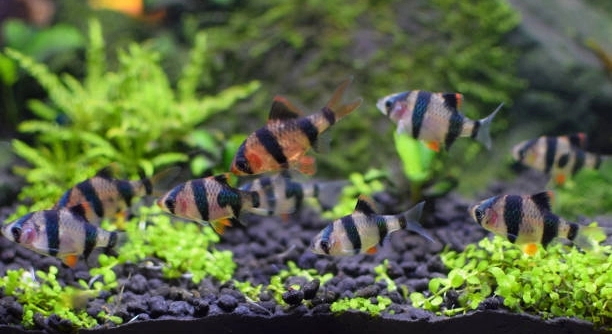
Tiger Barbs are colorful, active fish that many aquarium enthusiasts enjoy keeping. Providing them with the right food helps maintain their health and vibrant appearance. Natural foods play a key role in supporting their well-being and energy levels.
Tiger Barbs thrive on a diet that includes a variety of natural foods such as live or frozen brine shrimp, bloodworms, daphnia, spirulina flakes, blanched vegetables like zucchini, and occasional small insect larvae. These foods supply essential nutrients to promote growth and coloration.
Knowing which natural foods your Tiger Barbs prefer will help you create a balanced diet that keeps them healthy and lively in your aquarium. The following list highlights seven favorites that are both nutritious and enjoyable for these fish.
Brine Shrimp: A Protein-Rich Favorite
Brine shrimp are a common and highly beneficial natural food for Tiger Barbs. They are rich in protein, which supports muscle development and overall health. Many aquarists choose frozen or live brine shrimp because they are easy to obtain and accepted quickly by most Tiger Barbs. These tiny creatures stimulate natural hunting behavior, encouraging activity and mental engagement. Feeding brine shrimp also helps improve coloration, making your fish appear more vibrant. Regular inclusion of brine shrimp in their diet can prevent nutritional deficiencies and promote longevity. However, it is important to feed them in moderation to avoid water quality issues. Using a fine mesh net or a feeding ring can help control portions and minimize waste. Overall, brine shrimp remain a staple in providing essential nutrients and maintaining the natural instincts of Tiger Barbs.
Brine shrimp provide a valuable protein source that enhances the health and color of Tiger Barbs, making them a vital dietary option.
Offering a steady supply of brine shrimp ensures your Tiger Barbs receive the protein they need without overfeeding. Frozen brine shrimp are convenient and safe, while live brine shrimp offer added stimulation. Both options can be used to balance their diet alongside other foods. Proper storage and thawing of frozen shrimp preserve nutritional quality. When feeding live shrimp, ensure they come from reputable sources to avoid contamination. Brine shrimp’s versatility and nutritional benefits make them an excellent choice for maintaining the vitality of your Tiger Barbs over time.
Blanched Vegetables: Essential Plant Matter
Blanched vegetables provide important vitamins and fiber for Tiger Barbs. Vegetables like zucchini, spinach, and peas should be lightly boiled or steamed to soften them, making them easier to digest. This preparation also removes any harmful bacteria or pesticides. Vegetables balance the high-protein animal foods in their diet, supporting digestive health and preventing constipation. Fiber-rich vegetables help regulate the digestive system and promote regular bowel movements. Including plant matter in their diet mimics the natural variety they would encounter in the wild. It also adds diversity, which prevents boredom and supports overall well-being. Offering small pieces once or twice a week is sufficient. Overfeeding vegetables can cause water pollution, so careful portioning is necessary. Blanched vegetables are a simple way to enhance nutrition and support the long-term health of your Tiger Barbs.
Bloodworms: A High-Energy Treat
Bloodworms are a favorite natural food for Tiger Barbs due to their high protein and fat content. They provide an energy boost, especially beneficial during breeding or growth phases. Feeding bloodworms occasionally can enhance activity and coloration.
Bloodworms are rich in essential nutrients, making them an excellent supplement to a Tiger Barb’s diet. They are available frozen, freeze-dried, or live. Live bloodworms stimulate natural hunting behavior, encouraging exercise and mental stimulation. Freeze-dried or frozen options are convenient and reduce the risk of introducing parasites or contaminants into the aquarium. It is important to thaw frozen bloodworms properly to retain nutritional value. Feeding bloodworms in moderation prevents water quality issues caused by uneaten food. Their soft texture makes them easy to digest, suitable for young or sick fish needing extra nutrition.
Regular inclusion of bloodworms supports healthy growth and vibrant colors. However, relying solely on bloodworms is not advised because of their high fat content, which may lead to health problems over time. A balanced diet with varied foods ensures optimal health and longevity for Tiger Barbs.
Spirulina Flakes: A Plant-Based Nutrient Source
Spirulina flakes provide essential vitamins and minerals from a natural plant source. They support immune function and enhance color intensity, contributing to a well-rounded diet.
Spirulina is a type of blue-green algae rich in protein, carotenoids, and antioxidants. These flakes boost Tiger Barbs’ immune systems and promote healthy skin and scales. Spirulina is easy to digest and provides vital nutrients that meat-based foods may lack. Including spirulina flakes in daily feeding helps prevent vitamin deficiencies and improves overall vitality. These flakes can be mixed with other dry or frozen foods to offer variety. Spirulina’s natural pigments encourage bright coloration, helping Tiger Barbs maintain their striking appearance. Feeding small amounts regularly maintains their health without overloading their digestive system.
Daphnia: Natural Filter Feeders
Daphnia are small, freshwater crustaceans that Tiger Barbs readily accept. They help improve digestion and act as a natural laxative, keeping the digestive tract clear and healthy.
Feeding live or frozen daphnia encourages natural hunting behavior and provides essential nutrients. They are low in fat and high in fiber, making them a healthy addition to the diet.
Small Insect Larvae: Protein Boost
Small insect larvae, such as mosquito larvae, offer a high-protein food source. They support growth and muscle development in Tiger Barbs.
These larvae should be sourced carefully to avoid contaminants. Feeding them occasionally adds variety and stimulates natural feeding instincts.
Peas: Digestive Aid
Peas are effective in preventing constipation in Tiger Barbs. Blanched and peeled peas provide fiber and promote healthy digestion. Regular feeding helps maintain digestive health and prevent bloating.
What natural foods are best for Tiger Barbs?
Tiger Barbs thrive on a varied diet that includes protein-rich foods like brine shrimp, bloodworms, and small insect larvae. Plant-based options such as spirulina flakes, blanched vegetables, and peas are also essential. These natural foods provide a balance of nutrients to support growth, coloration, and overall health.
How often should I feed my Tiger Barbs natural foods?
Feeding natural foods two to three times a week alongside quality flake or pellet foods is ideal. Overfeeding can cause water quality issues and health problems. Small, controlled portions prevent uneaten food from polluting the tank while ensuring your fish receive enough nutrition.
Can I feed only natural foods to my Tiger Barbs?
Relying solely on natural foods is not recommended. While these foods supply essential nutrients, commercial diets are formulated to cover nutritional gaps and maintain health. A mixed diet ensures a well-rounded nutrient intake and supports long-term vitality.
Are live foods better than frozen or freeze-dried options?
Live foods stimulate natural hunting behavior and offer mental enrichment, but they can carry risks like parasites if not sourced carefully. Frozen and freeze-dried foods are safer alternatives that retain most nutrients. Rotating between live and preserved foods combines benefits and safety.
How do I prepare vegetables for Tiger Barbs?
Vegetables such as zucchini, peas, and spinach should be blanched—briefly boiled or steamed—to soften them and eliminate harmful bacteria. Peeling peas before feeding reduces the chance of digestive blockages. Serve in small amounts to avoid fouling the water.
Can Tiger Barbs eat algae or plant matter from the tank?
Yes, Tiger Barbs may nibble on algae and plant matter in their environment. This behavior supplements their diet with fiber and nutrients but should not replace intentional feeding of fresh vegetables or spirulina flakes.
What signs show my Tiger Barbs are getting proper nutrition?
Healthy Tiger Barbs display bright colors, active swimming, and consistent appetite. Clear eyes and smooth scales indicate good health. Lack of growth, faded coloration, or lethargy may signal nutritional deficiencies.
Is it safe to feed Tiger Barbs mosquito larvae?
Mosquito larvae provide a high-protein treat but must be sourced from clean, uncontaminated water to avoid introducing diseases. Offering them occasionally can enhance diet variety and promote natural feeding instincts.
How do I avoid overfeeding natural foods?
Feed small portions that your Tiger Barbs can consume within a few minutes. Remove uneaten food promptly to maintain water quality. Establish a feeding schedule and avoid giving excessive treats to prevent health issues.
Can natural foods improve Tiger Barbs’ coloration?
Yes, foods rich in carotenoids and antioxidants, such as spirulina flakes and bloodworms, enhance the vibrant colors of Tiger Barbs. Regular inclusion of these foods supports their natural pigmentation.
How should I store frozen or freeze-dried natural foods?
Keep frozen foods in the freezer and thaw only the amount needed before feeding. Store freeze-dried foods in a cool, dry place, sealed tightly to maintain freshness and prevent contamination.
Do Tiger Barbs require any supplements besides natural foods?
A varied diet that combines natural foods with high-quality commercial pellets or flakes usually covers nutritional needs. Supplements are rarely necessary unless advised by a veterinarian for specific health concerns.
Can young Tiger Barbs eat the same natural foods as adults?
Juvenile Tiger Barbs can eat most natural foods if they are appropriately sized and soft enough to digest. Smaller live foods or finely crushed flakes can support their early development.
Are there risks to feeding natural foods?
Improper sourcing or overfeeding can introduce parasites, bacteria, or pollute the tank. Careful selection, proper preparation, and controlled portions minimize these risks and maintain a healthy environment for your fish.
Providing the right natural foods to Tiger Barbs is important for their health and happiness. These fish need a balanced diet that includes both protein-rich animal foods and plant-based options. Foods like brine shrimp, bloodworms, and small insect larvae give them essential nutrients that support growth and energy. At the same time, blanched vegetables, spirulina flakes, and peas add fiber and vitamins to keep their digestive system working well. Feeding a variety of natural foods ensures Tiger Barbs get a well-rounded diet, which helps maintain their bright colors and active behavior.
It is important to feed natural foods in moderation and alongside quality commercial fish foods. Overfeeding any type of food can cause water quality problems, which may harm the fish. Offering small portions two to three times a week works well for most home aquariums. Live foods can encourage natural hunting instincts, but frozen or freeze-dried versions are safer and easier to manage. Preparing vegetables properly by blanching and peeling helps make them easier to digest and prevents health issues. Paying attention to how your Tiger Barbs respond to their diet will help you adjust the foods and amounts to suit their needs.
Maintaining a healthy diet for Tiger Barbs requires attention and balance. Using natural foods thoughtfully, along with commercial pellets or flakes, will keep your fish strong and colorful. Regular variety prevents boredom and nutritional gaps. It is also essential to handle and store foods carefully to avoid contamination. Observing your Tiger Barbs for signs of good health like bright colors, activity, and clear eyes shows your feeding routine is working well. With consistent care, natural foods can contribute significantly to the long-term well-being of your Tiger Barbs.

Hello,
If you enjoy the content that we create, please consider saying a "Thank You!" by leaving a tip.
Every little bit helps us continue crafting quality advice that supports the health, happiness, and well-being of pets around the world, for pets of all shapes, sizes, and species.
We really appreciate the kindness and support that you show us!