
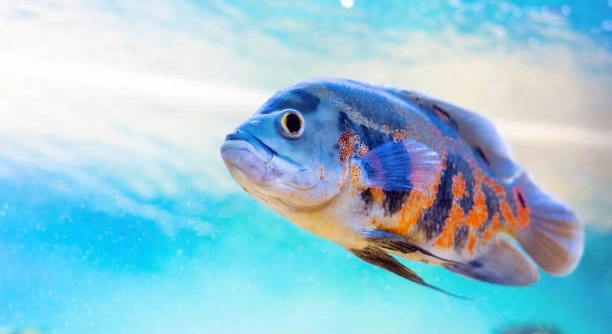
Oscar fish are known for their striking personalities and unique behaviors. One of the most fascinating aspects of these fish is their mating rituals, which are triggered by natural cues in their environment.
Oscars engage in mating behaviors due to various natural cues such as water temperature, light changes, and the presence of potential mates. These factors signal to the fish that it’s time to reproduce, prompting courtship and nesting activities.
By understanding these triggers, you can gain insight into how Oscars prepare for breeding season. Knowing the right conditions to set can make all the difference in encouraging a healthy breeding environment for your fish.
Temperature Changes Trigger Breeding Behavior
Oscars are highly sensitive to changes in their environment, especially the water temperature. When the temperature increases, it signals that the breeding season is approaching. This temperature shift encourages Oscars to begin their courtship rituals. In the wild, this occurs during warmer months, and fish in captivity often follow the same pattern. Maintaining a stable water temperature in your aquarium is crucial for helping your fish feel comfortable and ready to breed. If the temperature fluctuates too drastically, it could disrupt their mating process or stress the fish. A gradual increase in temperature, ideally between 78°F to 80°F, mimics the conditions Oscars would encounter in their natural habitat.
Oscars feel most comfortable when water temperatures are stable. Keeping this in mind can help you create a favorable environment for their mating.
As temperatures rise, Oscars start showing signs of courtship like cleaning areas of the tank, especially flat surfaces. They may display territorial behavior, guarding areas they intend to use for nesting. You may also notice the fish becoming more active and responsive to each other. This stage is a sign that they are preparing to spawn, so providing a quiet space for them to feel safe and undisturbed is important. Stable temperatures can encourage successful mating and egg laying, ensuring a smooth breeding process for your Oscars.
Light Changes Signal Reproductive Readiness
Oscars respond to light changes, which are another natural cue for breeding. In the wild, daylight hours vary depending on the seasons. Captive Oscars can also be influenced by light changes, though in a more controlled setting.
The shift from longer to shorter days helps trigger the Oscars’ natural breeding cycle, encouraging them to prepare for spawning. This process may be more subtle than temperature changes but is equally important for successful mating. Keeping track of the light cycle can help create ideal conditions for your fish.
The Presence of Potential Mates
Oscar fish often rely on the sight of a potential mate to trigger their breeding behaviors. If there are two Oscars in the tank, they begin to display more attention toward each other. This often includes chasing, fin spreading, and aggressive interactions. When one Oscar shows interest in the other, it leads to courtship rituals that can help solidify their bond.
Once the Oscars show interest in each other, they will begin the process of preparing a breeding site. This usually involves the cleaning of flat surfaces or rocks, which will eventually become the spot for egg laying. The male will typically display brighter colors to attract the female. This period of preparation can be fascinating to observe as both fish work together to ensure the space is suitable for their eggs. Maintaining a peaceful environment during this time can reduce stress and increase the likelihood of successful mating.
The Oscars will often engage in synchronized movements, which signal readiness for mating. During these moments, you may notice them staying close together. These behaviors are critical to understanding the bond forming between the two fish. The male’s persistent attention to the female and her willingness to follow his lead are key signs that mating is likely to occur soon.
Tank Conditions Support Mating Behavior
The tank’s environment plays a huge role in Oscar mating. Factors like water quality, tank size, and available hiding spots directly impact how comfortable the Oscars feel during their breeding process. The ideal tank should have plenty of space for the Oscars to swim and feel secure.
Oscar fish are territorial, so providing a large tank with proper filtration is essential to maintain water quality. Oscars are also known to breed in areas where they can claim a specific spot, so adding smooth rocks or flat surfaces gives them a place to prepare for egg laying. The water should be kept clean with regular water changes to avoid any stress on the fish. High-quality filtration helps maintain water clarity and reduces the buildup of waste products. Additionally, providing some plants or decorations where the fish can hide may reduce territorial disputes and increase their confidence.
Water Quality Influences Breeding
Clean water is essential for breeding success. Oscars prefer water that is clear and free from pollutants. Poor water quality can cause stress and may prevent mating. Regular water changes and a high-quality filtration system ensure that the Oscars’ environment remains optimal for their natural behaviors.
Oscars can be sensitive to changes in water conditions. Ammonia, nitrites, and nitrates should be kept at safe levels to prevent harm. Testing the water regularly helps maintain a balance that is conducive to breeding. Keeping water conditions stable encourages the Oscars to feel secure enough to reproduce.
Tank Setup Encourages Nesting
A proper tank setup gives Oscars a sense of security during their breeding process. Oscars like to have areas they can claim as their own. Smooth rocks, flat surfaces, or even clay pots provide perfect spots for nesting. They also enjoy having some space between them and other tankmates, which reduces stress.
Setting up the tank correctly is one of the easiest ways to encourage breeding. Avoid overcrowding the tank with too many decorations, as this could limit their available nesting areas. Providing a stable and organized space helps the Oscars focus on their courtship behaviors without distraction.
Feeding Before Breeding
Before breeding, Oscars need a nutritious diet to ensure they are healthy enough to spawn. High-quality food with the right balance of nutrients helps improve the chances of successful egg laying. Feeding Oscars varied diets, including live or frozen foods like worms, shrimp, and pellets, prepares them for breeding.
FAQ
What temperature should I keep my Oscar tank for breeding?
For breeding, Oscars thrive in slightly warmer water, ideally between 78°F and 80°F. This temperature range mimics their natural habitat during breeding season. Gradually increasing the temperature can trigger their reproductive behavior. Avoid sudden changes as that can stress the fish. A reliable aquarium heater and thermometer will help maintain the correct temperature, ensuring a stable environment for the Oscars.
How can I tell if my Oscar fish are ready to breed?
Oscar fish show various signs when they are ready to breed. One of the first signs is the cleaning of surfaces, such as rocks or flat tank decorations, which they will use for egg laying. The male will often display brighter colors and may become more active. You might also notice them becoming more territorial, protecting areas they consider suitable for nesting. Additionally, both the male and female may exhibit synchronized swimming and courtship behaviors. These signs indicate that they are ready to spawn.
Can Oscars breed in a community tank?
While Oscars can breed in a community tank, it’s generally not the best option. Oscars are territorial and may become aggressive towards other fish, especially when breeding. If you have other tank mates, make sure they are large and peaceful enough to avoid stress or injury. It’s ideal to provide a separate breeding tank where the Oscars can have the space and privacy they need to mate without interference. If you plan to leave them in a community tank, ensure the setup minimizes stress and gives the Oscars a chance to establish their territory.
What should I feed Oscars before and during breeding?
Before and during breeding, Oscars need a high-protein diet to ensure they are healthy and ready for reproduction. Offer a variety of foods like live or frozen foods (such as worms, shrimp, and bloodworms) along with high-quality pellets or flakes. This helps provide the nutrients they need to stay strong and increases the chances of successful egg laying. Overfeeding can lead to water quality issues, so feed them in moderation and remove any uneaten food after a few minutes.
Do I need to separate the male and female Oscars after breeding?
It’s generally a good idea to separate the male and female Oscars after breeding, especially if they are showing signs of aggression towards each other. After successful mating, the male may become protective of the eggs, while the female might be more passive. However, if there is constant aggression or the female appears stressed, it’s best to remove her from the tank to avoid harm. Keep an eye on the pair, as Oscars can sometimes become territorial and aggressive during the breeding process.
How long does it take for Oscar eggs to hatch?
Oscar eggs typically hatch within 3 to 4 days, depending on the water temperature and conditions. The eggs will initially appear as small, translucent clusters, and you may notice the parents guarding them carefully. After the eggs hatch, the fry will remain in the nest for another few days, feeding on their yolk sacs before becoming free-swimming. During this time, the parents will continue to protect and care for the fry.
What should I do with the Oscar fry after they hatch?
Once the Oscar fry become free-swimming, it’s important to provide them with appropriate food. Initially, they can be fed infusoria or finely crushed high-quality fry food. As they grow, you can introduce larger food items like baby brine shrimp or small worms. It’s crucial to keep the tank clean and avoid overcrowding, as this could lead to water quality issues. Make sure to provide plenty of hiding spots to reduce stress for the fry. If you have other fish in the tank, consider moving the fry to a separate grow-out tank to ensure their safety and well-being.
Should I remove the eggs if the parents are not taking care of them?
If the parents are not caring for the eggs, you may need to intervene. Sometimes, Oscars may abandon or even eat their own eggs if they feel stressed or threatened. In such cases, it’s possible to remove the eggs and attempt to hatch them artificially, using an egg tumbler or similar device. However, it’s often better to let the parents take care of the eggs if possible. If the parents are still guarding the eggs but seem inexperienced, allow them time to figure out the process.
Can I breed Oscars with other fish species?
Breeding Oscars with other fish species is not recommended. Oscars are a separate species, and their breeding instincts are designed to work only with other Oscars. Attempting to breed them with different species could result in unsuccessful breeding or cause stress for the fish. Keeping Oscars with other species should be done with care, especially during breeding periods when they become more territorial. Always ensure that the other fish in the tank are compatible and not causing stress to your Oscars.
How often do Oscars breed?
Oscar fish typically breed once a year, although this can vary depending on water conditions, temperature, and other factors. In a well-maintained environment with the right conditions, Oscars may breed more frequently, even multiple times a year. However, breeding can be physically taxing for the fish, especially the female. It’s important to ensure they are well-fed and healthy to support multiple breeding cycles. Some pairs may also go through multiple breeding attempts before successfully producing fry.
Final Thoughts
Breeding Oscars can be a rewarding experience, but it requires careful attention to their environment and natural cues. Temperature, water quality, and the presence of a mate are some of the key factors that trigger their mating behavior. Ensuring that the tank is set up to meet their needs is crucial. A clean, spacious tank with stable water conditions and enough space for territorial behavior can go a long way in supporting successful breeding.
However, it’s important to remember that breeding Oscars isn’t always a straightforward process. Even with the right setup, there can still be challenges along the way, such as aggression or lack of interest from the fish. Oscar fish are territorial and may sometimes become overly protective of their breeding area. Keeping an eye on their behavior and intervening when necessary will help ensure the process goes smoothly. If breeding doesn’t happen right away, patience is key. It may take a few attempts for the Oscars to settle into their mating routine.
Lastly, the care of the fry once they hatch is just as important as the preparation for breeding. Oscar fry are delicate, and proper feeding and tank conditions are essential for their survival. Providing appropriate food and maintaining water quality are vital to their growth. Overcrowding and poor tank conditions can lead to problems, so keeping the environment clean and safe for the fry is a priority. By understanding the natural triggers and behaviors of Oscars, you can create the ideal breeding conditions and enjoy watching your fish thrive.

Hello,
If you enjoy the content that we create, please consider saying a "Thank You!" by leaving a tip.
Every little bit helps us continue crafting quality advice that supports the health, happiness, and well-being of pets around the world, for pets of all shapes, sizes, and species.
We really appreciate the kindness and support that you show us!