
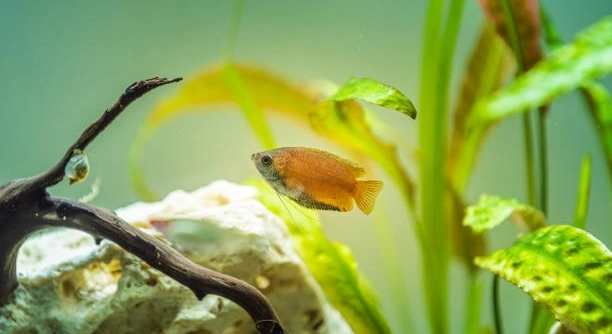
Have you ever noticed your gourami acting differently just before they start building a nest? Their behavior can shift in subtle but interesting ways. Understanding these changes can help you support their natural instincts more effectively.
Gourami use natural cues such as water temperature, light levels, surface vegetation, and even air humidity to initiate nesting behavior. These environmental triggers influence hormonal changes and signal to the fish that it is time to begin building.
Learning about these cues can help you create the right setting for nesting, keeping your gourami healthy and comfortable in their environment.
Temperature Changes Signal Nesting Time
Gourami are sensitive to small changes in their surroundings. One of the biggest cues for nesting is a slight rise in water temperature. When the water gets warmer, usually between 78°F to 82°F, it can trigger the male to begin preparing a bubble nest. This change mimics the warmer seasons in the wild, where breeding is more likely to happen. Warmer temperatures encourage metabolic changes and increase activity levels, pushing the fish to start the nesting process. You may notice the male becoming more territorial or starting to gather bubbles near floating plants or corners of the tank. Keeping the water at a stable and slightly warmer level can support this behavior. Avoid sudden temperature spikes, as these can stress the fish. Instead, use a reliable heater with gradual settings. Always monitor the temperature using a dependable aquarium thermometer to ensure the conditions stay right for your gourami.
This simple temperature cue is one of the first steps that can lead to successful nesting in a calm, balanced tank.
Consistency in water temperature supports hormonal responses and helps build a stable environment where your gourami feel secure enough to nest naturally.
Surface Cover Triggers Bubble Building
Floating plants or even small debris at the water’s surface often spark the male gourami’s instinct to begin forming his bubble nest.
These items provide the structure and protection that bubble nests need to stay intact. In the wild, gourami rely on floating leaves or vegetation to keep their nests from drifting or breaking apart. In a home tank, you can offer similar coverage by adding plants like duckweed, water lettuce, or even synthetic floating plants. These help trap the bubbles and provide a visual cue to start nesting. The male gourami usually works methodically, releasing mouthfuls of bubbles under the floating cover and checking the structure frequently. A tank with clear open water and no cover may delay this behavior, while too much clutter can make the fish feel cramped. Aim for a balanced layout. A small patch of floating cover near a calm surface can be all it takes to encourage bubble nest formation.
Light Patterns Affect Behavior
A steady light schedule helps gourami feel secure and ready to nest. Sudden shifts in brightness or long periods of darkness can delay this process. Aim for about 10 to 12 hours of light daily using a soft, consistent aquarium light.
Light plays a major role in signaling breeding readiness. In natural habitats, longer daylight hours often mean the start of the breeding season. When you provide a stable light cycle, your gourami may start showing increased movement near the surface and heightened interaction with floating plants. These subtle behaviors are signs the fish is responding well to the lighting. Avoid placing the tank in areas with unpredictable natural light or direct sunlight, which can create unwanted heat and glare. Use a timer to maintain a consistent schedule. A well-lit tank with soft lighting helps reduce stress and keeps your gourami in a calm and predictable rhythm.
Stable light conditions also help maintain healthy plant growth, which supports bubble nest building. With proper lighting, surface plants thrive, giving male gourami more reason to start creating a nest. When light levels drop too suddenly or stay off too long, your gourami may stay hidden and inactive. This can disrupt the nesting cycle or delay it altogether. Using adjustable LED lights with a timer is one easy way to maintain consistency. These small adjustments to the light cycle can make a noticeable difference in behavior. Observing how your gourami respond can also help you fine-tune their environment for comfort and balance.
Calm Water Encourages Nest Stability
Still or gently filtered water is important during the nesting phase. Strong currents can break apart bubble nests and discourage the male from starting one. Use a sponge filter or flow-adjustable system to keep the water calm but healthy.
Gourami prefer building their nests in calm water because bubbles stay in place longer and are easier to stack into a stable structure. If your tank’s filter is too strong, it can scatter bubbles across the surface and cause frustration for the nesting male. Many aquarists find success by switching to sponge filters or adjusting flow settings to the lowest level. Position decorations or plants to help block any remaining current. Also, avoid frequent water changes during this phase, as surface movement can undo the male’s work. Keeping the surface still gives the fish a secure zone to focus on nest building and protects the delicate structure once it’s started.
Humidity Above the Tank Plays a Role
Gourami breathe air from the surface, and a humid air layer above the tank helps bubble nests hold their shape. Dry air can cause the bubbles to pop faster, making it harder for the male to build and maintain a nest.
Using a tank lid helps trap moisture and keep the air above the water warm and damp. This stable humidity supports bubble strength and keeps the surface environment more natural. Without a lid, evaporation increases and air circulation may dry out bubbles more quickly, leading to incomplete or unstable nests.
Presence of a Female Stimulates Nesting
The sight or scent of a female gourami nearby can encourage the male to begin nesting. He may become more active, flare his fins, or hover near the surface more often. Even a brief glimpse of a female can trigger this behavior. If she’s not ready, he may still build in preparation.
Soft Tank Décor Reduces Stress
Rough or sharp decorations can make gourami nervous and less likely to nest. Using smooth rocks, soft plants, or rounded driftwood creates a safe space. Comfortable surroundings encourage natural behavior and reduce stress, helping the male gourami focus on nesting activities without constant alertness.
FAQ
What exactly is a bubble nest, and why do gourami build it?
A bubble nest is a cluster of tiny bubbles that male gourami create at the water’s surface. The bubbles are coated with mucus, which helps them stick together and last longer. The male builds this nest to protect the eggs after spawning. It acts as a safe place for the eggs to develop and hatch. This behavior is natural and shows that the fish is ready to breed. Bubble nests also keep the eggs near the surface where there is more oxygen, helping the young fry survive once they hatch.
How can I tell if my gourami is ready to build a nest?
Signs your gourami is ready to build a nest include increased activity near the water surface, more aggressive or territorial behavior, and the male flaring his fins. You may see him blowing bubbles and trying to gather them under floating plants or tank decorations. Sometimes, the male will start clearing an area of debris or plant matter to prepare a nest site. These changes usually happen when environmental cues like temperature and light are favorable.
Does the presence of other fish affect nest building?
Yes, other fish can influence nesting behavior. Male gourami may become territorial or aggressive toward tank mates during this time. Stress from overcrowding or harassment can delay nest building or cause the male to abandon the nest. To support nesting, keep the tank lightly stocked and provide hiding spaces for other fish. If aggression increases too much, separating the male may help ensure he can build and maintain the nest in peace.
What role does diet play in nesting behavior?
A nutritious diet boosts gourami health and breeding readiness. Feeding your gourami high-quality live or frozen foods like brine shrimp, daphnia, or bloodworms encourages the male to build nests. These protein-rich foods support hormone production and energy levels needed for nesting. Avoid overfeeding, as poor water quality from leftover food can stress the fish and interrupt breeding activities.
How long does it take for a gourami to build a bubble nest?
Building a bubble nest can take anywhere from a few hours to a couple of days. The male works consistently, releasing bubbles and arranging them under floating plants or other cover. Once the nest is stable and large enough, spawning may begin. During this period, the male closely guards the nest and may repair it if bubbles pop or drift away.
Can bubble nests be maintained without a female?
Yes, male gourami often build bubble nests even without a female present. This behavior is instinctive and linked to environmental triggers like temperature and lighting. However, without a female to spawn with, the nest will not contain eggs and may be abandoned after some time. Providing the right conditions can encourage the male to build, but breeding only happens with a receptive female.
What should I do if my gourami destroys its own bubble nest?
Sometimes males break their nests when stressed or unsure about conditions. If this happens, check water quality, temperature, and tank setup for any issues. Reducing noise, sudden movements, or aggressive tank mates can help. Giving the male time to calm down usually leads him to start rebuilding. Ensure stable, calm water and proper surface cover to support bubble formation.
Is it normal for female gourami to interact with the bubble nest?
Female gourami may show interest in the nest during spawning but typically do not build or maintain it. They may approach the nest area to spawn with the male and lay eggs. After spawning, females often stay away from the nest while the male guards it. Their role is mainly in egg laying rather than nest construction or care.
How can I encourage a male gourami to start nesting in my tank?
To encourage nesting, maintain a slightly warmer water temperature around 78-82°F, provide floating plants or soft surface cover, and ensure a calm water surface with gentle filtration. Keep a regular light schedule and feed a nutritious diet rich in live or frozen foods. Minimizing stress by limiting tank mates and noise also helps the male focus on building his nest.
What happens after the eggs are laid in the bubble nest?
After spawning, the male collects the eggs in his mouth and places them carefully inside the bubble nest. He then guards the nest closely, protecting it from other fish and repairing bubbles as needed. The eggs stay in the nest until they hatch, usually within 24 to 36 hours. After hatching, the fry remain near the nest while absorbing their yolk sacs before becoming free swimmers.
Can I remove the eggs or fry from the bubble nest?
Removing eggs or fry is not recommended unless necessary for their safety. The male’s protection and care help the eggs develop properly. If you must remove them, use a fine net or siphon gently to avoid damage. Be aware that the male may become stressed or stop nesting if separated from the eggs. Raising fry in a separate tank can be safer but requires careful handling.
What signs show that the nest is successful?
A successful nest usually stays intact for several days, with the male guarding it closely. You may see tiny eggs clustered within the bubbles. Once the eggs hatch, small fry will appear near the surface and the nest. The male continues to watch over them until they start swimming freely. Healthy fry growth and active males are good signs the nesting process worked well.
The nesting behavior of gourami is a natural and fascinating part of their life cycle. Understanding the cues they use, like water temperature, light, and surface conditions, helps create an environment where they feel comfortable and secure. When the conditions are right, male gourami will instinctively start building bubble nests, showing how closely they respond to their surroundings. By paying attention to these natural signals, you can support your fish in expressing their natural behaviors and keep them healthier overall.
Creating the right environment is not difficult but requires some care and patience. Stable water temperature, calm water flow, and a consistent light schedule are all important. Providing floating plants or surface cover gives the male gourami the structure needed to build strong nests. Small things like keeping humidity above the tank and ensuring the male has space without too many other fish help reduce stress. All of these factors work together to encourage nesting and successful breeding behavior. Watching this process unfold can be very rewarding for anyone who cares for these fish.
Remember, gourami rely on their environment to feel safe enough to build nests and raise their young. The male’s bubble nest is a sign that your tank conditions are close to what they need. Even if breeding isn’t your goal, supporting these natural behaviors helps maintain your gourami’s well-being. Small adjustments to your tank setup can make a big difference in their comfort and happiness. With patience and attention to their needs, you can enjoy a healthier and more natural home for your gourami.

Hello,
If you enjoy the content that we create, please consider saying a "Thank You!" by leaving a tip.
Every little bit helps us continue crafting quality advice that supports the health, happiness, and well-being of pets around the world, for pets of all shapes, sizes, and species.
We really appreciate the kindness and support that you show us!