
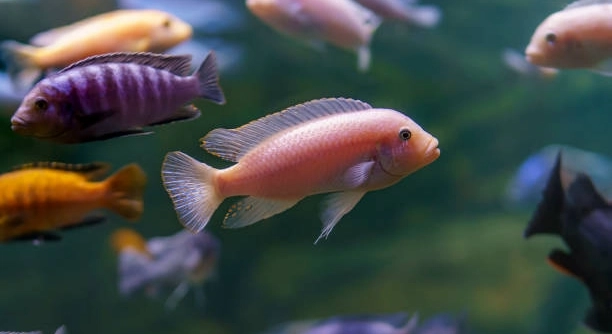
Convict cichlids are a popular choice for many aquarium enthusiasts due to their vibrant colors and active behavior. They are hardy fish, but people often misunderstand their care and habits, leading to common myths.
Several myths surround convict cichlids, including misconceptions about their aggression, breeding behavior, dietary needs, and tank requirements. Correcting these misunderstandings is essential for responsible ownership and ensuring the health and wellbeing of these fish in captivity.
Learning the truth about these myths will help you create a balanced environment for your fish and enjoy their natural behaviors fully.
Myth 1: Convict Cichlids Are Always Aggressive
Convict cichlids are often labeled as aggressive, but their behavior depends largely on environment and social structure. When kept in a properly sized tank with hiding spaces and compatible tank mates, they show surprisingly balanced behavior. Aggression is usually limited to breeding pairs protecting their territory. Outside of breeding periods, most convict cichlids interact peacefully. Overcrowding or sudden changes in the tank can increase stress, leading to displays of aggression that are not typical. Providing plants, rocks, and other forms of shelter helps reduce conflicts, allowing each fish to establish its own space. Observing their interactions over time reveals patterns of dominance without constant fighting. Diet also influences behavior; well-fed cichlids are calmer and less prone to aggression. Understanding the role of environment, space, and nutrition gives a clearer picture of their temperament and prevents unnecessary fear.
Convict cichlids can coexist peacefully if given proper space and a structured environment.
With the right setup and care, their supposed aggression becomes manageable, letting their natural, curious, and lively personalities emerge. Regular observation ensures any conflicts are addressed promptly.
Myth 2: Convict Cichlids Breed Easily in Any Tank
It is commonly believed that convict cichlids will breed under any conditions, but this is not accurate. Successful breeding requires the right environment, water conditions, and compatible pairs.
Breeding convict cichlids involves more than just putting a male and female together. Water quality must be stable, with temperatures around 78–82°F and pH levels near neutral. Providing flat surfaces for egg laying, such as rocks or slate, encourages spawning. A pair must feel secure and unthreatened, as stress can prevent mating. Even with ideal conditions, some pairs may not breed due to compatibility or individual temperament. Feeding a varied diet high in protein also improves breeding success. Once eggs are laid, parental behavior is crucial, as both parents typically guard and care for the fry. Understanding these factors shows that breeding is controlled by environment, nutrition, and compatibility, not mere presence in a tank.
Proper preparation and careful observation are essential for successful spawning and fry survival in convict cichlids.
Myth 3: Convict Cichlids Only Eat Flakes
While many keepers feed convict cichlids exclusively with flakes, a varied diet is necessary for their health. Relying only on flakes can lead to nutrient deficiencies and affect growth, coloration, and overall vitality.
Convict cichlids thrive on a combination of high-quality flakes, pellets, frozen foods, and occasional live foods. Protein-rich options such as brine shrimp, bloodworms, and daphnia support growth and encourage natural foraging behavior. Vegetables like spinach or peas can supplement their diet and aid digestion. Offering variety keeps them active and prevents boredom while reducing aggressive tendencies caused by hunger or competition. Feeding smaller amounts multiple times a day ensures proper nutrition and minimizes waste in the tank, which can affect water quality. A balanced approach supports long-term health, bright colors, and stronger immunity.
Ignoring dietary variety often results in sluggish behavior and dull coloration. Introducing multiple food types strengthens their health and natural instincts. Observing feeding habits helps identify preferences and ensures every fish receives proper nutrition, making your care more effective.
Myth 4: Convict Cichlids Can Live in Any Water Conditions
Convict cichlids are hardy, but they are not indifferent to water quality. Poor water conditions can cause stress, illness, and shorter lifespans, even in strong fish. Maintaining proper parameters is essential for long-term health.
Ideal water conditions include a temperature between 75–82°F, pH near neutral, and low ammonia, nitrite, and nitrate levels. Frequent water changes and a reliable filtration system keep the environment stable. Hardness also plays a role; slightly harder water supports their natural physiology. Sudden changes, such as shifting temperatures or introducing untreated tap water, can shock the fish and trigger stress behaviors or disease. Observing behavior, appetite, and coloration provides clues to water quality issues. Even minor adjustments over time can prevent serious health problems, making routine monitoring critical. Proper tank maintenance ensures convict cichlids remain active, vibrant, and long-lived.
Myth 5: Convict Cichlids Don’t Need Hiding Spots
Convict cichlids need places to hide, even though they are hardy and active. Rocks, plants, and decorations give them security, reduce stress, and help manage aggression between tank mates.
Hiding spots allow juveniles and weaker fish to avoid confrontation. Without proper shelters, dominant fish may harass others, leading to injury or stress. Multiple hiding areas prevent overcrowding in a single space and encourage natural behaviors.
Myth 6: All Convict Cichlids Will Pair Successfully
Not every male and female will form a breeding pair. Compatibility depends on temperament, age, and prior social experiences. Some fish never bond, even in ideal conditions.
Myth 7: Convict Cichlids Don’t Recognize Owners
Convict cichlids can learn to recognize their caretakers over time. They respond to feeding routines and familiar movements, showing curiosity and awareness.
FAQ
How aggressive are convict cichlids in a community tank?
Convict cichlids show aggression mostly when defending territory or during breeding. Outside of these situations, they are generally peaceful if the tank is spacious and provides hiding spots. Overcrowding or poor tank setup can increase stress, causing unnecessary fighting. Proper tank management minimizes conflicts.
Can convict cichlids live with other fish?
Yes, but careful selection is needed. Choose tank mates of similar size and temperament. Avoid overly small or slow-moving fish, as they may be harassed. Providing rocks, plants, and multiple hiding spots ensures each species can establish territory without constant confrontation, supporting harmony in a community setup.
What should I feed convict cichlids?
A varied diet is best. High-quality flakes or pellets can be combined with frozen or live foods like brine shrimp, bloodworms, and daphnia. Occasional vegetables like peas or spinach help digestion. Feeding smaller portions multiple times a day reduces waste and supports consistent nutrition and natural foraging behaviors.
How often should I change the water?
Regular water changes are critical. Typically, 20–30% weekly is sufficient for most tanks. Check ammonia, nitrite, and nitrate levels regularly to ensure water remains safe. Frequent partial changes prevent harmful buildup, reduce stress, and maintain overall fish health. Proper filtration works together with water changes for optimal conditions.
Do convict cichlids require special tank equipment?
They do best with a good filtration system and stable heater to maintain water quality and temperature. Rocks, driftwood, and plants provide hiding spaces and help reduce aggression. While they are hardy, consistent maintenance and proper equipment prevent stress and long-term health issues.
How do I encourage breeding in convict cichlids?
Breeding requires a stable environment. Keep water temperature around 78–82°F and pH near neutral. Provide flat surfaces like rocks or slate for egg laying. Ensure the pair feels secure, feed a protein-rich diet, and avoid disturbing them. Even with ideal conditions, not all pairs will breed.
Can I keep juvenile and adult convict cichlids together?
Yes, but careful observation is necessary. Adults can be territorial and may harass smaller fish. Providing multiple hiding spots helps protect juveniles. Introducing juveniles gradually and monitoring behavior reduces stress and allows them to grow safely without aggressive interference.
Do convict cichlids recognize me?
They can learn to recognize their caretaker over time. Regular feeding routines and consistent movements help them identify familiar people. They may approach the glass when you enter the room or during feeding, showing curiosity and memory. This recognition demonstrates a level of awareness often underestimated in cichlids.
What tank size is ideal for convict cichlids?
A minimum of 30 gallons is recommended for a single pair, with larger tanks needed for multiple fish. More space reduces aggression and allows territory establishment. A well-decorated tank with rocks, plants, and hiding areas encourages natural behavior and healthier interactions among fish.
How long do convict cichlids live?
With proper care, convict cichlids can live 8–10 years. Maintaining stable water conditions, providing a balanced diet, and reducing stress factors are key. Attention to tank environment and regular health checks help them reach their full lifespan while staying active and vibrant.
Final Thoughts
Convict cichlids are often misunderstood because of their reputation for aggression and their breeding habits. Many myths make them seem difficult to care for, but in reality, they are fairly resilient fish when provided with the right environment. Understanding their natural behaviors, diet, and water requirements makes it easier to maintain a healthy tank. Proper space, hiding spots, and attention to water quality help prevent most common issues. By learning what convict cichlids need, you can enjoy their active personalities without unnecessary stress or conflict. Their strong parental instincts, curiosity, and interactive behaviors can make them rewarding fish to keep.
Despite being hardy, convict cichlids still require consistent care. Feeding them a varied diet supports growth, coloration, and overall health, while regular water changes and reliable filtration maintain a stable environment. Aggression is often exaggerated, as most behavior problems stem from overcrowding or insufficient hiding places. Observing their interactions helps identify potential conflicts before they escalate. Breeding pairs may show strong territorial behavior, but this is a natural part of their life cycle. By providing proper conditions, you can reduce stress, prevent illness, and allow their natural behaviors to flourish. Attention to these details ensures that both the fish and the tank remain balanced over time.
Caring for convict cichlids can be a satisfying experience when myths are set aside. They are intelligent, active fish that can recognize caretakers, enjoy structured routines, and display intriguing behaviors. Avoiding common misconceptions about aggression, diet, water quality, and breeding allows for a more accurate understanding of their needs. Paying attention to compatibility between pairs and other tank mates helps maintain a peaceful environment. With proper care, these fish live long, healthy lives and remain visually vibrant. Understanding their requirements and responding to their behavior allows you to appreciate them fully while keeping the aquarium stable and enjoyable.

Hello,
If you enjoy the content that we create, please consider saying a "Thank You!" by leaving a tip.
Every little bit helps us continue crafting quality advice that supports the health, happiness, and well-being of pets around the world, for pets of all shapes, sizes, and species.
We really appreciate the kindness and support that you show us!