
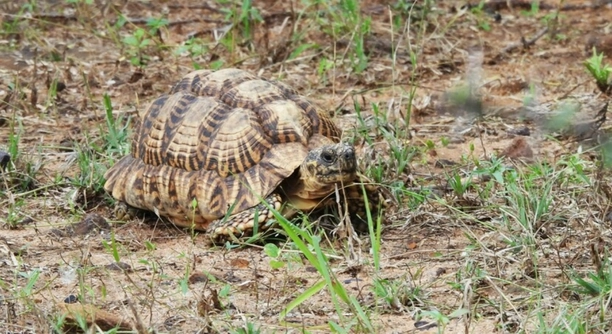
Star tortoises are fascinating creatures, but there are many myths surrounding them. If you are thinking about getting one as a pet, it’s important to separate fact from fiction. Misunderstanding their needs could impact their well-being.
Several common myths about star tortoises can mislead potential owners, from their care needs to their behavior. Understanding the truth behind these myths is essential to providing the best care for these unique reptiles and ensuring they thrive.
By learning the truth about these tortoises, you’ll be better equipped to care for them. Understanding their real needs will help you make informed decisions.
Myth 1: Star Tortoises Are Low-Maintenance Pets
Star tortoises are often seen as low-maintenance pets due to their calm nature. However, they do require more attention and care than many people assume. They need a proper habitat, consistent temperature, and specific food. Their diet should include leafy greens, fruits, and occasional protein sources. Without the right environment, these tortoises can experience health issues like shell problems or slow growth. Many owners are unaware of their specific light and humidity needs, which can affect their overall health. You must also ensure they have enough space to roam and exercise.
While star tortoises are generally easygoing, they still need a stable living environment. Their enclosure should be large enough for them to move freely, and you must also keep track of their temperature and lighting. Failing to meet these needs can result in a stressed or unhealthy pet.
Proper care can ensure that star tortoises live a long, healthy life. This means keeping their habitat clean and providing them with a balanced diet. If their basic needs are not met, you will likely encounter problems down the road.
Myth 2: Star Tortoises Can Thrive on a Diet of Lettuce
Many people think star tortoises can survive on just lettuce. In reality, lettuce doesn’t offer the necessary nutrients for their health. Lettuce is low in calcium, fiber, and other essential vitamins. Feeding them only lettuce can lead to malnutrition over time. These tortoises need a varied diet, including darker leafy greens like kale, collard greens, and dandelion leaves. Additionally, fruits like papaya, berries, and mango can be offered occasionally, providing them with vitamins and hydration.
To make sure your star tortoise stays healthy, you should focus on feeding them nutrient-rich foods. Including a variety of greens and occasional fruits will provide the balanced nutrition they need. Supplementing their diet with calcium and other vitamins will help maintain their shell and bones.
A balanced diet is crucial for star tortoises to grow strong and live a healthy life. Giving them a variety of foods that are high in nutrients ensures they stay active and happy.
Myth 3: Star Tortoises Are Suitable for Small Enclosures
Star tortoises need space to roam. Many people think they can live comfortably in a small terrarium, but that’s not true. A cramped space can cause stress and hinder their natural behaviors. They need room to explore and stretch their legs.
A small enclosure can affect their overall well-being. Star tortoises are active creatures that require space for physical exercise. If kept in a small area, they may develop behavioral issues and even physical health problems like shell deformities. Their habitat should allow them to move freely without obstacles.
When choosing a home for a star tortoise, consider its size. A larger, more spacious enclosure is ideal for their mental and physical health. By providing ample space, you’re helping them feel secure and comfortable, leading to a happier and healthier pet.
Myth 4: Star Tortoises Don’t Need UVB Lighting
UVB lighting is essential for star tortoises to thrive. Without proper exposure to UVB light, they cannot synthesize vitamin D3, which is vital for calcium absorption. Without it, they can suffer from metabolic bone disease or weak shells.
UVB lighting helps mimic the natural sunlight these tortoises would get in the wild. It’s important to provide a UVB lamp to ensure they have the proper amount of exposure. Without this, their bones and shells can become brittle. Also, the UVB lamp needs to be replaced regularly to maintain effectiveness.
Proper lighting and basking are crucial. When you offer them the right UVB light, you support their overall health and help prevent conditions related to poor calcium metabolism. Don’t underestimate the importance of UVB lighting in their daily care routine.
Myth 5: Star Tortoises Can Live on a Dry Diet
Star tortoises need moisture in their diet, not just dry food. They require a mix of fresh greens, fruits, and vegetables to stay hydrated. A dry diet may lead to dehydration and urinary tract problems.
Providing water-rich foods helps them stay hydrated and supports their digestive system. Fresh vegetables like cucumber, squash, and bell peppers are excellent choices. Be sure to offer fresh water in their enclosure every day. Dehydration is a serious concern and can lead to a range of health issues if neglected.
A moist, balanced diet with proper hydration ensures your star tortoise remains healthy and active.
Myth 6: Star Tortoises Are Easy to Handle and Love Being Picked Up
While star tortoises are generally calm, they don’t like being handled often. Picking them up too frequently can cause stress and anxiety. They prefer to stay in their safe space.
Handling a star tortoise too much can interfere with their well-being. While they’re not aggressive, they can become fearful and avoid human interaction. It’s best to let them roam freely in their enclosure. Handle them only when necessary, and always gently, respecting their boundaries. Their comfort should always come first.
Myth 7: Star Tortoises Can Live in Any Climate
Star tortoises are native to warm, dry regions, and they need a controlled environment. They should not be kept in climates that are too cold or humid.
You need to replicate their natural habitat by controlling their temperature and humidity levels. This helps keep them comfortable and prevents stress. If you’re keeping them outdoors, make sure to provide a warm, sheltered area where they can retreat during colder weather.
FAQ
Can star tortoises live alone?
Yes, star tortoises can live alone. In fact, they are solitary animals and prefer to live independently. While they don’t mind occasional interaction, they generally do better when housed alone. They do not form social bonds like other animals, and giving them space can help reduce stress. However, if you plan on keeping more than one, ensure that the enclosure is large enough to accommodate them separately, as they may become territorial.
How often should I feed my star tortoise?
You should feed your star tortoise every day or every other day, depending on its age. Young star tortoises need to eat more frequently than adults. Offer them a variety of fresh vegetables, leafy greens, and fruits. Avoid overfeeding, as this can lead to obesity and health problems. Adjust their diet based on their activity level and size, ensuring they have a balanced meal. Always remove uneaten food after a few hours to keep their enclosure clean.
Do star tortoises need a water bowl?
Yes, star tortoises need access to clean water at all times. They may not drink a lot of water, but they still require it for hydration. Place a shallow dish in their enclosure and ensure it’s cleaned daily. Some star tortoises may also soak in water to help with hydration. Additionally, water helps maintain humidity levels in their environment, which is essential for their health.
What is the ideal temperature for a star tortoise enclosure?
The ideal temperature for a star tortoise enclosure should range from 80°F to 90°F during the day, with a basking spot reaching 95°F to 100°F. At night, temperatures can drop to around 70°F. A heat lamp and a UVB light should be used to maintain these temperatures. The heat will allow them to digest food properly and stay active, while the UVB light ensures they get the vitamin D they need for healthy bone and shell development.
How big does a star tortoise get?
Star tortoises typically grow to about 10 to 12 inches in length, though some individuals can grow slightly larger. Their size can depend on factors like diet, environment, and genetics. It’s essential to give them ample space to grow, as being kept in a small enclosure can stunt their growth and cause health issues. Make sure their habitat is big enough for them to move around comfortably.
Can I take my star tortoise outside?
Yes, you can take your star tortoise outside, but only in a controlled environment. Ensure that the outdoor area is safe, free from predators, and offers enough shelter for them to hide from direct sunlight or extreme temperatures. Star tortoises need warmth, so an outdoor enclosure should have areas with shade and heat sources. Never leave them outside without supervision, and always bring them inside if the weather gets too cold or too hot.
Do star tortoises hibernate?
Star tortoises do not hibernate in the traditional sense, but they do go through a period of dormancy when temperatures drop too low. In the wild, they may become less active during cooler months, slowing down their metabolism. If kept in captivity, make sure the temperature remains consistent and warm to avoid causing unnecessary stress. Dormancy in captivity is not typical and should be avoided, as it can lead to health problems. Provide warmth and proper lighting to keep them active year-round.
How do I know if my star tortoise is healthy?
A healthy star tortoise will have a smooth, well-formed shell, clear eyes, and an active demeanor. Their appetite should be strong, and they should be eating regularly. If your tortoise is lethargic, not eating, or shows signs of respiratory issues like wheezing, you should consult a vet. A healthy tortoise will also have firm, well-formed droppings. Regular check-ups with an exotic pet vet can help ensure that your tortoise remains in good health.
Can star tortoises live in a terrarium?
While star tortoises can live in a terrarium, it’s not always the best option. Terrariums can be too small and don’t provide enough space for them to move around, which is crucial for their health. If you choose to use a terrarium, ensure that it’s large enough and that you can maintain the proper humidity and temperature levels. A larger enclosure, such as a spacious tank or outdoor pen, is a better choice for long-term care.
Do star tortoises need to be bathed?
Star tortoises don’t need to be bathed regularly, but occasional soaking is beneficial. You can place your tortoise in shallow warm water for about 15 to 20 minutes once or twice a week. This helps with hydration, especially if they aren’t drinking enough water on their own. Make sure the water is not too hot or too cold. After soaking, gently dry your tortoise with a towel. Avoid soaking them for too long to prevent stress.
How can I tell if my star tortoise is stressed?
Signs of stress in a star tortoise include hiding, lethargy, refusing to eat, or excessive scratching at the walls of their enclosure. A stressed tortoise may also show signs of aggression, such as biting or retreating into its shell. Poor habitat conditions, incorrect temperatures, or too much handling can lead to stress. Ensuring a proper environment and minimal handling will help reduce stress and keep your tortoise happy.
Are star tortoises endangered?
Yes, star tortoises are considered vulnerable due to habitat loss and the illegal pet trade. In the wild, they are often hunted for food or captured to be sold as pets. Conservation efforts are important to protect these tortoises, as their populations have declined in recent years. If you own a star tortoise, make sure it comes from a reputable breeder, and avoid supporting the illegal wildlife trade.
What kind of substrate should I use for a star tortoise enclosure?
For a star tortoise enclosure, you should use a substrate that helps maintain humidity and is easy to clean. A mixture of organic soil, coconut coir, and sand works well. Avoid using cedar or pine shavings, as they can be harmful. The substrate should be deep enough to allow digging and should be changed regularly to keep the enclosure clean and healthy.
How long do star tortoises live?
Star tortoises have long lifespans and can live for 50 years or more with proper care. Their life expectancy depends on their diet, environment, and overall health. By providing a suitable habitat, correct lighting, and a balanced diet, you can help your star tortoise live a long, healthy life. Make sure you’re prepared for the long-term commitment of caring for one of these remarkable animals.
Final Thoughts
Caring for a star tortoise involves more than just providing food and water. These animals need a carefully managed environment to thrive. Their diet should be varied, consisting of leafy greens, fruits, and vegetables, while also ensuring they stay hydrated. An enclosure that mimics their natural habitat with the right temperature, humidity, and space is crucial for their well-being. Providing them with proper UVB lighting is another important step to keep them healthy, as it helps them absorb essential nutrients.
It’s also important to remember that star tortoises, while relatively low-maintenance in comparison to other pets, do have specific needs. Their diet, enclosure size, and overall care should never be underestimated. These tortoises are not the kind of pet that can be left to fend for themselves. Instead, they require a consistent routine that includes regular feeding, cleaning, and attention to their living environment. By offering them the right care, you’ll help ensure they remain healthy and active for many years.
In conclusion, star tortoises can be a rewarding pet if their care requirements are met. They are fascinating creatures that bring a unique charm to any home. However, it’s essential to understand that they need more than just occasional care. Their long lifespan and specialized needs require long-term commitment and attention. If you are ready to provide them with the right environment, diet, and care, a star tortoise can become a loyal companion. But before making the decision, make sure you fully understand the responsibility it entails.

Hello,
If you enjoy the content that we create, please consider saying a "Thank You!" by leaving a tip.
Every little bit helps us continue crafting quality advice that supports the health, happiness, and well-being of pets around the world, for pets of all shapes, sizes, and species.
We really appreciate the kindness and support that you show us!