
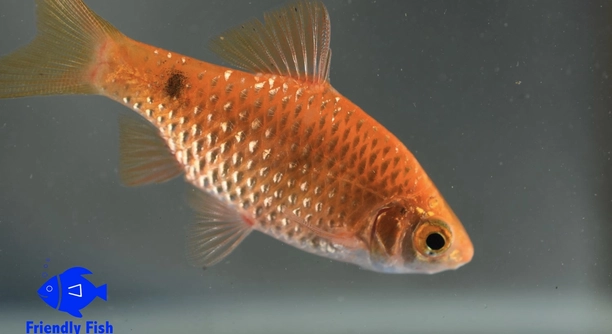
Rosy barbs are a popular choice for aquarium enthusiasts who enjoy vibrant and active fish. Many people keep them but often hear conflicting information about their care and behavior. This article will clarify common misconceptions surrounding rosy barbs.
Several myths about rosy barbs persist despite evidence to the contrary. These myths can lead to improper care and misunderstandings about their needs, temperament, and compatibility in community tanks. Accurate information is essential for maintaining their health and well-being.
Clearing up these misunderstandings will help you provide a better environment for your rosy barbs. The following points address the most frequent myths with clear explanations.
Myth 1: Rosy Barbs Are Aggressive and Always Attack Other Fish
Many people believe rosy barbs are aggressive and will constantly attack tank mates. While they can be active and sometimes nip fins, this behavior often happens when they are kept in small groups or in overcrowded tanks. Proper care, such as providing enough space and keeping them in groups of six or more, helps reduce aggression. They are generally peaceful when their environment meets their needs. Understanding their social behavior is key to keeping a harmonious aquarium.
Aggression is mostly a response to stress or poor conditions, not their natural temperament.
Keeping rosy barbs in appropriate group sizes and well-planted tanks creates a balanced community. It prevents stress-related nipping and allows their lively nature to shine without causing harm to other fish. Proper tank maintenance and compatible tank mates also play a role in minimizing any aggressive tendencies.
Myth 2: Rosy Barbs Require Special or Difficult Care
Rosy barbs do not demand overly complicated care routines. They thrive in typical freshwater aquarium conditions with moderate temperature and pH levels. Maintaining water cleanliness through regular changes and adequate filtration is enough to keep them healthy. Feeding them a balanced diet of flakes, pellets, and occasional live or frozen food covers their nutritional needs.
These fish adapt well to community tanks and are suitable for beginner aquarists.
While no fish is completely maintenance-free, rosy barbs are quite resilient. They do not require highly specific water parameters or constant monitoring beyond basic aquarium upkeep. Providing a stable environment with clean water and a varied diet helps them grow vibrant and active. They benefit from a tank with plants and swimming space, but special equipment or treatments are unnecessary for their care.
Myth 3: Rosy Barbs Can Live Alone
Rosy barbs are schooling fish and feel safest in groups. Keeping just one or two can lead to stress and unusual behavior. They need at least six individuals to form a natural social structure and reduce aggression.
A small group provides comfort and encourages natural behaviors such as swimming together and interacting. When alone, they may become shy, hide frequently, or act aggressively out of stress.
Proper social grouping helps maintain their health and vibrant appearance. They thrive in community tanks when surrounded by their own kind, making the aquarium more lively and balanced.
Myth 4: Rosy Barbs Are Not Suitable for Beginners
Rosy barbs are quite hardy and adapt well to various tank conditions. Their tolerance for a range of temperatures and water parameters makes them an excellent choice for new aquarium keepers.
They require basic maintenance such as regular water changes, feeding, and tank cleaning, similar to many common freshwater fish. Their active nature adds visual interest without demanding complex care.
With proper guidance, beginners can easily keep rosy barbs healthy and happy. Their resilience and ease of care make them a practical addition for those starting in fishkeeping.
Myth 5: Rosy Barbs Are Difficult to Breed
Rosy barbs breed quite easily in home aquariums when conditions are right. They need slightly warmer water and plenty of plants or spawning mops for egg-laying.
Separating the fry from adults after spawning helps increase survival rates.
Myth 6: Rosy Barbs Need Very Large Tanks
Rosy barbs do not require extremely large tanks but do need enough space to swim comfortably. A tank size of at least 20 gallons for a small group is suitable.
Providing swimming space and hiding spots ensures their well-being.
Myth 7: Rosy Barbs Are Fragile and Easily Sick
Rosy barbs are generally hardy fish, resistant to many common diseases if kept in clean water. Stress from poor water quality is the main risk factor for illness.
Maintaining stable water conditions and a balanced diet keeps them healthy.
FAQ
How many rosy barbs should I keep together?
Rosy barbs are schooling fish that need to be kept in groups of at least six. Smaller groups may cause stress or increase aggressive behavior. A larger group helps them feel secure and display natural behaviors like swimming in formation.
What is the ideal tank size for rosy barbs?
A tank of at least 20 gallons is recommended for a small group of rosy barbs. This size allows enough swimming space and reduces territorial disputes. More space is better when keeping larger groups or other active tank mates.
What water conditions do rosy barbs prefer?
Rosy barbs thrive in temperatures between 64 and 72°F (18–22°C), with a pH of 6.5 to 7.5. They are adaptable but do best in stable, clean water. Regular water changes and good filtration are important to maintain these conditions.
Are rosy barbs good for beginners?
Yes, rosy barbs are suitable for beginners due to their hardiness and adaptability. They tolerate a range of water conditions and require only basic care, such as feeding a varied diet and maintaining clean water.
What should I feed rosy barbs?
Rosy barbs eat a balanced diet of flakes or pellets designed for tropical fish. Supplementing with live or frozen foods like brine shrimp or bloodworms promotes health and color vibrancy. Feeding small amounts twice daily is ideal.
Can rosy barbs live with other fish?
Rosy barbs generally get along with other peaceful fish of similar size. Avoid slow-moving or long-finned species, as rosy barbs may nip fins if stressed or overcrowded. Choosing compatible tank mates helps maintain a peaceful community.
How do I breed rosy barbs?
Breeding requires a separate spawning tank with warmer water around 75–78°F (24–26°C). Provide plenty of plants or spawning mops for egg laying. After spawning, remove adults to protect the eggs. Fry need small live foods until large enough for flakes.
Why do rosy barbs nip fins?
Fin nipping often results from stress, boredom, or inadequate group size. Keeping at least six rosy barbs together, providing enough swimming space, and adding plants or decorations can reduce this behavior.
How long do rosy barbs live?
With proper care, rosy barbs live around 5 to 7 years. Maintaining stable water conditions and a healthy diet contributes to their longevity.
What signs show a rosy barb is healthy?
Healthy rosy barbs swim actively, display bright colors, and eat regularly. Clear eyes and intact fins are good indicators. Any lethargy, faded colors, or damaged fins may suggest health issues requiring attention.
Can rosy barbs tolerate cold water?
Rosy barbs can handle cooler water better than many tropical fish but should not be kept below 60°F (15°C) for long periods. Sudden temperature drops should be avoided to prevent stress.
Is it necessary to use a heater for rosy barbs?
A heater is usually recommended to maintain a stable temperature, especially in cooler climates. However, in warmer regions, they may do well without one if water stays within their preferred range.
How often should I clean the tank?
Regular partial water changes of 20-30% every one to two weeks help keep water quality high. Cleaning the substrate and filter as needed prevents buildup of harmful substances.
What diseases affect rosy barbs?
Common diseases include ich, fin rot, and fungal infections. These usually occur due to poor water quality or stress. Quarantining new fish and maintaining good tank hygiene reduce risks.
Can rosy barbs jump out of the tank?
Rosy barbs are active swimmers and can jump. A secure lid or cover is recommended to prevent escapes.
This FAQ covers key points to help care for rosy barbs confidently and maintain a healthy aquarium environment.
Rosy barbs are vibrant and lively fish that can bring energy and color to a home aquarium. Despite some common myths, they are generally peaceful and easy to care for when their basic needs are met. Understanding their social nature and providing the right environment are essential for their health. Keeping them in groups, ensuring adequate tank size, and maintaining clean water all contribute to a thriving community tank. They do not require special or difficult care, making them suitable for many fishkeepers.
It is important to remember that rosy barbs can sometimes show fin-nipping behavior, but this usually results from stress or poor tank conditions rather than aggression. Providing enough space and keeping them in proper groups reduces this behavior significantly. Their diet should be varied and balanced, including quality flakes or pellets and occasional live or frozen foods. This helps keep their colors bright and supports overall health. Breeding rosy barbs is also possible in home tanks with the right setup, though it requires some additional care.
Overall, rosy barbs are hardy and adaptable fish that fit well into community tanks. They offer a good option for beginners or anyone looking for active, attractive fish. Dispelling myths about their behavior and care allows owners to provide a better environment for these fish. With consistent maintenance and attention to their social needs, rosy barbs can live long, healthy lives and bring enjoyment to any aquarium setting.

Hello,
If you enjoy the content that we create, please consider saying a "Thank You!" by leaving a tip.
Every little bit helps us continue crafting quality advice that supports the health, happiness, and well-being of pets around the world, for pets of all shapes, sizes, and species.
We really appreciate the kindness and support that you show us!