
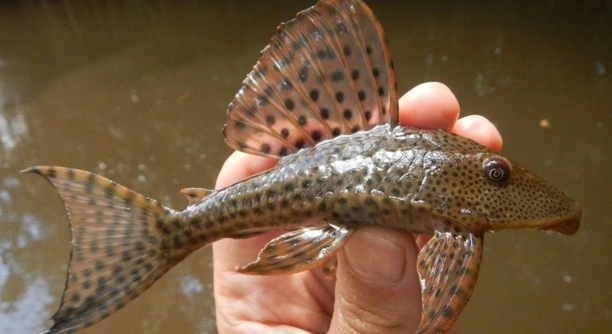
Plecostomus are popular aquarium fish known for their unique behavior and appearance. However, several misconceptions about their habits and needs often lead to confusion for aquarium enthusiasts. Let’s clear up these myths and provide accurate information.
Many misconceptions about Plecostomus behavior stem from incorrect assumptions. These fish are often misunderstood as low-maintenance cleaners, when in reality, they require proper care and attention. Understanding their true nature is crucial for their well-being in a home aquarium.
By addressing these myths, you can ensure your Plecostomus thrives in a healthy environment, free from common misconceptions.
Myth 1: Plecostomus Are Just Bottom Cleaners
Many believe that Plecostomus, commonly known as algae eaters, will take care of all the tank cleaning. While they do help by eating algae, they shouldn’t be relied on as the sole cleaners in the tank. They also need other food sources to stay healthy, such as sinking pellets or vegetables like zucchini. Over-relying on them for algae control can lead to malnutrition, which can affect their overall well-being.
It’s important to provide a balanced diet for Plecostomus. This includes regular feeding with the proper types of food. Not all algae-eating fish can consume every kind of algae, and they don’t clean every part of the tank. Plecostomus often miss hard-to-reach spots and areas covered by plant leaves. Thus, regular tank maintenance is necessary for optimal water conditions and fish health.
They are great helpers but not a complete solution. They need a well-rounded diet to thrive and contribute meaningfully to tank maintenance. Over-relying on them can cause issues with their health in the long term.
Myth 2: Plecostomus Are Easy to Care For
While Plecostomus are relatively low-maintenance fish, they do require specific care. They need a spacious tank with good filtration to maintain healthy water conditions. Their large size, especially as they mature, makes it essential to provide enough swimming space.
Plecostomus are also sensitive to water changes. They need a stable temperature, pH, and hardness. Regular monitoring and proper filtration are vital for maintaining a safe environment. Without these conditions, they can become stressed, leading to health problems. Additionally, they are not immune to common aquarium diseases, so regular health checks are necessary.
Being a bottom dweller, Plecostomus may also hide during the day, which can make it harder to monitor their behavior. They may seem inactive, but they are still affected by the water quality and diet. Recognizing when they’re stressed or unwell is key to preventing issues.
Myth 3: Plecostomus Can Live in Any Tank
Plecostomus are often thought to be adaptable to any tank, but they actually have specific needs. They require a tank size of at least 30 gallons to thrive. A cramped space can lead to stress, stunted growth, and health problems.
Choosing the right tank size is crucial for their well-being. A tank that’s too small will not provide enough space for Plecostomus to move around. They also prefer tanks with caves or hiding spots where they can retreat when needed. A properly sized tank ensures they can grow to their full potential without being stressed.
Keeping Plecostomus in an environment too small for them is a mistake that can affect their health. When their needs aren’t met, their immune system can weaken, making them susceptible to diseases. Always choose a tank that accommodates their growth to maintain a healthy and happy fish.
Myth 4: Plecostomus Are Peaceful with All Tankmates
Though Plecostomus are generally peaceful, they can show territorial behavior, especially in cramped spaces or when they feel threatened. They may become aggressive toward smaller fish or other bottom dwellers.
In a tank with multiple Plecostomus, aggression can be more noticeable. They may fight for space, and this can lead to injuries. Territorial behavior is often more prominent during breeding times. To reduce conflict, make sure there’s enough space and hiding spots for all fish.
While Plecostomus can usually coexist with other peaceful fish, the tank’s design plays a big role in minimizing disputes. Careful planning and understanding of each fish’s behavior help create a balanced, peaceful tank environment.
Myth 5: Plecostomus Don’t Need Special Lighting
Plecostomus are often assumed to be indifferent to lighting, but they do have preferences. They are nocturnal and feel more comfortable in dim lighting. Bright lights can cause them stress, so it’s important to create a tank environment with adjustable lighting.
Their natural habitat in the wild includes shaded areas, so providing them with the right lighting helps mimic their conditions. This is essential for their comfort. Too much light can cause them to hide, reducing their activity levels.
Plecostomus need a balanced light environment. If your tank is too bright, it can affect their behavior and overall health.
Myth 6: Plecostomus Only Live for a Few Years
Many believe that Plecostomus have short lifespans, but they can live much longer than expected. With proper care, they can live up to 10-15 years in captivity.
To ensure a long life, it’s important to maintain good water quality and provide proper nutrition. Like all fish, they are more likely to thrive when their environment and diet are consistently healthy.
A healthy Plecostomus will grow to be a large, active fish. Their long lifespan makes them a rewarding addition to any aquarium. With attention to detail, your Plecostomus will live for many years.
Myth 7: Plecostomus Are Hardy and Don’t Get Sick
While Plecostomus are considered hardy fish, they are still prone to certain diseases. Poor water quality is the leading cause of health problems.
They are susceptible to common aquarium issues like ich, fin rot, and parasites. Regular tank maintenance, water changes, and monitoring are key to preventing these diseases. Keeping their environment clean and stable helps reduce stress, which in turn reduces the risk of illness.
Even though they can adapt to a variety of conditions, neglecting their basic care can result in health problems over time. Keeping an eye on their behavior and health is essential.
FAQ
How big do Plecostomus get?
Plecostomus can grow quite large, with some species reaching up to 24 inches in length. However, their growth depends on their environment, especially the size of the tank and the availability of food. In smaller tanks, they might not grow as large, but providing a spacious environment allows them to reach their full size. It’s essential to consider their adult size before purchasing, ensuring they have enough room to grow comfortably.
What do Plecostomus eat?
Plecostomus are omnivores, meaning they eat both plant and animal matter. In the wild, they graze on algae, but in a home aquarium, they should be provided with a balanced diet. This includes algae wafers, sinking pellets, and vegetables like zucchini or cucumber. They can also enjoy occasional protein-rich foods like shrimp or bloodworms. A varied diet is essential to prevent malnutrition.
Can Plecostomus live with other fish?
Plecostomus can generally live peacefully with other fish, but it’s important to consider their size and territorial nature. They might show aggression toward smaller fish or other bottom dwellers, especially in cramped spaces. To minimize conflict, provide plenty of hiding spots and ample swimming space for all tank inhabitants. Plecostomus can also be sensitive to aggressive tankmates, so choosing peaceful species is key.
What type of tank do Plecostomus need?
Plecostomus need a well-maintained tank with proper filtration. A tank size of at least 30 gallons is recommended, as they require ample space to swim and grow. The water quality is crucial, so ensure it’s kept clean with regular water changes and good filtration. Additionally, providing hiding spots, such as caves or driftwood, will help them feel secure. Lighting should be dim, as they are nocturnal.
How often should I feed my Plecostomus?
Feeding Plecostomus should be done once or twice a day, depending on the amount of food they consume. Since they are scavengers, they may not eat all of the food right away, so it’s important to monitor how much is being given. Overfeeding can lead to water quality issues, so avoid leaving uneaten food in the tank. Providing a varied diet ensures they get all the nutrients they need.
Do Plecostomus need to be kept in schools?
Unlike some fish species, Plecostomus do not need to be kept in schools. They are solitary creatures and are often fine living alone. However, if you keep more than one, it’s important to provide enough space to reduce territorial disputes. Ensuring that each fish has its own area to hide and swim will help prevent aggression.
Can I keep a Plecostomus with my Betta fish?
Keeping a Plecostomus with a Betta fish can be tricky. Betta fish are territorial and may become aggressive toward a Plecostomus, especially if the tank is too small or there are not enough hiding spots. If you plan to house them together, make sure the tank is large enough, with plenty of space for both to avoid direct interaction. Keeping a well-planted tank can help create boundaries for each fish to feel secure.
How do I know if my Plecostomus is stressed?
A stressed Plecostomus may exhibit behaviors such as hiding more than usual, loss of appetite, or erratic swimming. It’s essential to monitor their environment to ensure water quality is stable and that there are no aggressive tankmates causing stress. If their behavior seems off, check the water parameters, such as temperature, pH, and hardness, and adjust if necessary. Stress can also be caused by poor nutrition or a lack of hiding places.
What temperature do Plecostomus need?
Plecostomus prefer a water temperature between 72°F and 82°F (22°C to 28°C). Keeping the water in this range ensures they stay active and healthy. Temperatures outside of this range can lead to stress, weakened immune systems, and other health issues. It’s important to use a reliable aquarium heater to maintain a consistent temperature in their tank.
Can I breed my Plecostomus?
Breeding Plecostomus in captivity is difficult and uncommon. They typically breed in caves or under large pieces of driftwood in the wild. To breed them successfully, you’d need a large tank with stable water conditions, plenty of hiding spots, and the proper diet. Even with these conditions, breeding may still not occur, as it’s difficult to replicate their natural environment fully.
How can I prevent my Plecostomus from getting sick?
Maintaining a clean tank environment is key to preventing illness in Plecostomus. Regular water changes, proper filtration, and monitoring water parameters can help keep stress and diseases at bay. Providing a varied and balanced diet is also important. Be on the lookout for any signs of illness, such as abnormal behavior or visible spots on the skin, and address any issues promptly.
Do Plecostomus need to be acclimated to new tanks?
Yes, Plecostomus should be acclimated to new tanks gradually. Sudden changes in water conditions can cause shock or stress, which can lead to health problems. Slowly introduce them to the new tank by floating their bag in the water for 10-15 minutes before releasing them. Gradually mix tank water into the bag to adjust to the new water conditions.
Why is my Plecostomus always hiding?
Hiding is normal behavior for Plecostomus, especially during the day, as they are nocturnal. If your Plecostomus is hiding more than usual, check the water quality and temperature. Poor water conditions or stress from aggressive tankmates can cause them to retreat. If they continue hiding, it may indicate a health issue or discomfort in their environment.
What should I do if my Plecostomus isn’t eating?
If your Plecostomus isn’t eating, check the water conditions and make sure they are stable. Stress, poor water quality, or changes in the environment can affect their appetite. Also, try offering a variety of foods, as they may be more interested in certain options. If they continue to refuse food, it’s important to monitor their behavior for signs of illness and seek treatment if necessary.
Final Thoughts
Plecostomus are fascinating fish that can make great additions to aquariums when properly cared for. They are often chosen for their algae-eating abilities and their calm nature. However, there are several myths surrounding their care that can lead to misunderstandings. It’s important to recognize their need for proper space, food, and water quality. With the right care, they can live for many years, growing to their full size and thriving in their environment.
While Plecostomus are often seen as low-maintenance, they still require specific conditions to stay healthy. Their need for a balanced diet, stable water temperature, and enough space to grow should never be underestimated. Many owners believe that Plecostomus can live in any tank without much attention, but this is far from the truth. Understanding their behavior and preferences is key to ensuring they are well taken care of. The proper care will prevent common issues like stress, poor health, or even early death.
In conclusion, debunking myths about Plecostomus is essential for every aquarium owner. By giving them the right care, attention, and environment, these fish can live long, healthy lives. It’s crucial to understand their needs to avoid common mistakes. Providing them with a spacious tank, clean water, and the right diet will help Plecostomus reach their full potential, making them rewarding and interesting pets in any aquarium.

Hello,
If you enjoy the content that we create, please consider saying a "Thank You!" by leaving a tip.
Every little bit helps us continue crafting quality advice that supports the health, happiness, and well-being of pets around the world, for pets of all shapes, sizes, and species.
We really appreciate the kindness and support that you show us!