
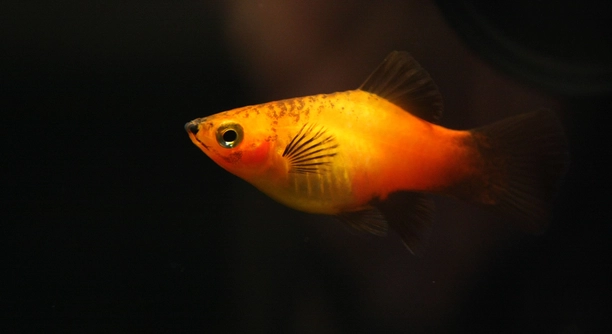
Platy fish are popular choices for community tanks because of their bright colors and peaceful nature. Many hobbyists enjoy keeping them with other species but often hear conflicting advice about which fish are truly compatible. Understanding these myths can help create a better environment for your platies.
Several common beliefs about platy tank compatibility are inaccurate or exaggerated. Platies are generally adaptable and peaceful, able to coexist with a variety of other fish species when proper tank conditions and space are maintained. Misconceptions often arise from misunderstandings about their behavior and environmental needs.
Clearing up these myths will help you confidently set up a harmonious tank for your platies and their tank mates.
Myth 1: Platies Must Only Live with Other Platies
Many people think platies can only live with their own kind because they are delicate or territorial. In reality, platies are peaceful fish that adapt well to a variety of tank mates. They get along with many community fish like guppies, mollies, and swordtails because they share similar water preferences. While it’s true that some aggressive species should be avoided, platies are not limited to living in single-species tanks. What matters most is the tank size and water conditions. Overcrowding or poor water quality can cause stress and aggression, no matter the species. Providing plenty of plants and hiding spots helps reduce tension among different fish. By focusing on compatible temperaments and environmental needs, platies can thrive in diverse community setups without problems.
Platies’ flexibility makes them great companions for many peaceful fish in a well-maintained aquarium.
This adaptability allows for creative tank arrangements that suit both the fish’s comfort and the keeper’s preferences. Experimenting with different species can lead to a balanced, vibrant tank that feels alive and healthy. It is important to observe how your fish interact and be ready to make changes if needed. With patience and care, platies will fit well in almost any peaceful community aquarium.
Myth 2: Platies Will Always Breed Aggressively in Community Tanks
Platies are livebearers, meaning they give birth to free-swimming young rather than laying eggs. Some assume they will breed uncontrollably and cause tank problems. However, breeding behavior depends largely on tank conditions and population management. If the environment is stable and the tank is not overcrowded, platies will breed at a moderate rate without causing harm.
In an overcrowded tank, breeding can lead to stress and competition for resources. Platy fry often become food for other fish or are filtered out if not removed. Controlling the number of males and females helps reduce breeding intensity. Using separate breeding tanks or removing fry can also keep populations balanced. With proper care, platies’ breeding will not disrupt community harmony or water quality. Monitoring population size and tank health allows you to enjoy their natural behaviors without unwanted consequences.
Myth 3: Platies Are Compatible with All Types of Fish
Platies are peaceful but not suitable with aggressive or much larger fish. Compatibility depends on temperament and tank conditions.
Platies thrive best with other peaceful species that share similar water requirements. Aggressive fish like cichlids may bully or harm them. Larger predatory fish can view platies as food. Tank size also matters—small tanks limit options for companions. When selecting tank mates, look for fish with calm behavior and moderate size. Avoid species that nip fins or display territorial aggression. Proper selection helps keep platies stress-free and healthy.
Keeping compatible fish together reduces risk of injury and stress. Providing hiding spots and plants improves coexistence. Observing fish behavior after introducing new tank mates ensures ongoing compatibility.
Myth 4: Platies Require Special Diets When Kept with Other Fish
Platies are not picky eaters and will thrive on standard community fish diets.
A balanced diet including flakes, pellets, and occasional live or frozen foods suits platies well. They are omnivores and benefit from variety to maintain health and color. When kept with other fish, feeding should be adjusted to meet the needs of all species in the tank. Overfeeding or uneven feeding can cause water quality issues and stress. Providing food that sinks or floats can ensure all fish get access. Feeding small amounts multiple times a day helps prevent competition and promotes good digestion. Proper nutrition supports platies’ immune systems and encourages natural behaviors.
Myth 5: Platies Can Live in Any Water Condition
Platies prefer stable, moderate water conditions with a pH between 7.0 and 8.0. Sudden changes can stress them and affect their health.
Maintaining a temperature between 70°F and 78°F is ideal. Regular water changes and good filtration help keep the environment healthy and comfortable for platies.
Myth 6: Platies Don’t Need Space to Swim
Platies are active swimmers and need ample space to move around. Crowded tanks can cause stress and reduce their lifespan.
Providing at least 10 gallons per group of platies is recommended. Open areas and plants help balance activity and shelter.
Myth 7: Platies Always Get Along Without Any Issues
Although generally peaceful, platies may occasionally show minor aggression, especially during breeding or if overcrowded.
Providing enough space and hiding spots minimizes conflicts. Observing their behavior regularly helps catch and resolve issues before they escalate.
FAQ
Can platies live with bettas?
Platies and bettas can sometimes live together, but it depends on the betta’s temperament. Bettas are known for aggression, especially males. If the betta is calm and the tank is spacious with plenty of hiding spots, they might coexist peacefully. However, many bettas see platies as rivals or targets, which can lead to stress or injury. It is safer to keep them separate or monitor closely for any signs of aggression.
How many platies should be kept in one tank?
A good rule of thumb is to keep at least three to five platies together. They are social fish and prefer groups to feel secure. The minimum tank size should be 10 gallons for a small group, with additional space for each extra fish. Overcrowding can cause stress, poor water quality, and aggression. Proper filtration and regular maintenance are important when keeping multiple platies.
Are platies good for beginner fishkeepers?
Yes, platies are excellent for beginners. They are hardy, adaptable to various water conditions, and peaceful. They do not require special diets or complex care routines. Their bright colors and active behavior make them enjoyable to watch. Platies also tolerate a range of tank mates, which helps beginners experiment with community setups.
Will platies eat their fry?
It is common for adult platies and other tank mates to eat fry. Platies do not usually protect their young, and the fry often become food in a community tank. To raise fry successfully, a separate breeding tank or heavily planted areas where fry can hide is necessary. Some fishkeepers remove fry shortly after birth to improve survival rates.
How often should I feed platies?
Feeding platies once or twice a day in small amounts is best. Overfeeding can lead to water pollution and health problems. A varied diet including flakes, pellets, and occasional live or frozen foods supports their health. Watch for leftover food and adjust portions accordingly. Feeding small amounts several times a day can help maintain their digestion and activity.
Can platies live with snails and shrimp?
Platies generally coexist well with snails and larger peaceful shrimp. Snails help keep the tank clean, and shrimp add diversity. Small or delicate shrimp might be at risk, especially if the platies are hungry or breeding. Providing plenty of hiding spaces ensures safety for invertebrates. Monitoring behavior helps prevent accidental predation.
What is the ideal water temperature for platies?
Platies thrive in temperatures between 70°F and 78°F (21°C to 26°C). Keeping the water stable within this range is important to avoid stress. Sudden temperature shifts can weaken their immune system and make them prone to disease. Using a reliable heater and thermometer helps maintain consistent temperature for a healthy tank environment.
Can platies live with goldfish?
Platies and goldfish have very different care requirements and are not recommended to be kept together. Goldfish prefer cooler water, while platies need warmer temperatures. Goldfish also produce more waste, which can affect water quality and stress tropical fish like platies. It’s best to keep them in separate tanks to meet their specific needs.
Do platies need special lighting?
Platies do not require special lighting, but moderate lighting helps bring out their colors and supports plant growth. Too much direct light can stress fish and promote algae growth. A balanced day-night cycle simulates their natural environment and maintains their health. Using standard aquarium lighting designed for tropical tanks works well.
How can I tell if my platy is healthy?
Healthy platies are active, swim smoothly, and have bright, consistent colors. They respond to food and interact calmly with tank mates. Watch for signs of illness like lethargy, faded color, clamped fins, or unusual spots. Maintaining good water quality and diet helps keep platies healthy. Early detection of problems makes treatment easier and more effective.
Platies are popular and adaptable fish that fit well into many community tanks. They generally get along with peaceful species and do not require special conditions to thrive. Understanding the common myths about their compatibility helps avoid unnecessary worries or mistakes when setting up your aquarium. It is important to consider factors such as tank size, water conditions, and the temperament of other fish when deciding on tank mates. Platies are not limited to living only with their own kind and can coexist happily with many other compatible fish.
Taking care of platies means paying attention to their environment and diet. They need clean water with stable temperatures and a balanced diet to stay healthy and active. Overcrowding or mixing them with aggressive fish can cause stress and health issues. Breeding is a natural behavior for platies but can be controlled by managing the number of males and females or separating the fry. Watching how your fish interact and maintaining good tank hygiene ensures a peaceful and thriving community aquarium.
By knowing what platies need and what misconceptions to avoid, you can create a pleasant and balanced tank. Platies are hardy and social fish that bring color and activity to your aquarium. Their ease of care makes them suitable for both new and experienced fishkeepers. Following simple guidelines on compatibility, diet, and tank conditions will help your platies live happily alongside other peaceful species. This knowledge allows you to enjoy a healthy, lively tank with fewer problems.

Hello,
If you enjoy the content that we create, please consider saying a "Thank You!" by leaving a tip.
Every little bit helps us continue crafting quality advice that supports the health, happiness, and well-being of pets around the world, for pets of all shapes, sizes, and species.
We really appreciate the kindness and support that you show us!