
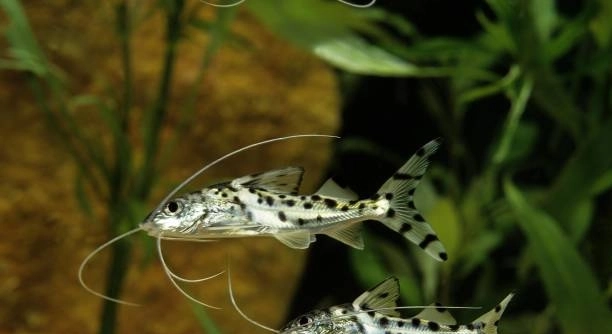
Pictus catfish are popular freshwater fish known for their peaceful nature and striking appearance. Many aquarium hobbyists are drawn to them but often encounter confusing information about their care and behavior. This article aims to clarify common misunderstandings about these fish.
Many myths exist around pictus catfish, ranging from their size and temperament to their diet and tank requirements. These misconceptions can lead to improper care and stress for the fish. Correcting these myths is essential for providing a healthy environment.
Learning the truth behind these myths will help you care for your pictus catfish properly and enjoy a thriving aquarium community. This article breaks down each myth with clear, factual information.
Myth 1: Pictus Catfish Stay Small Forever
Many people believe pictus catfish stay small in home aquariums, but this is not true. These fish can grow up to 5 inches or more with proper care and enough space. If kept in a small tank, they may not reach their full size, but cramped conditions can cause stress and health problems. Pictus catfish are active swimmers, so they need a tank that is long enough to swim around comfortably. A tank of at least 30 gallons is recommended. Without enough room, their growth can be stunted, and they might become more aggressive or prone to disease. Proper nutrition and clean water also support healthy growth. Understanding their size potential helps owners plan better for their needs and avoid problems caused by overcrowding.
Adult pictus catfish need space and good care to thrive. Knowing this helps keep them healthy and happy.
Giving your pictus catfish a spacious tank with proper water conditions encourages natural behavior and growth. Overcrowding limits movement and can shorten their lifespan. These fish enjoy hiding spots but require open swimming areas. A tank with a length of at least 36 inches works best. Besides size, diet matters—a balanced mix of sinking pellets, live, or frozen foods supports their development. Regular water changes prevent harmful buildup and keep the fish active. Planning for their adult size from the start ensures they live comfortably and exhibit their natural peaceful temperament.
Myth 2: Pictus Catfish Are Aggressive
Pictus catfish are often described as aggressive, but they are generally peaceful fish. They tend to keep to themselves and avoid conflict with other tank mates. Problems can arise if they are kept in a tank that is too small or with overly aggressive species. Stress from poor tank conditions may cause them to behave defensively, but under proper care, they usually get along well. These catfish prefer to swim in groups of at least three to feel secure and reduce stress. They are nocturnal and more active during the evening, which can make them seem jumpy but not aggressive. Choosing compatible tank mates and maintaining good water quality keeps their behavior calm.
Their peaceful nature makes pictus catfish suitable for community tanks when conditions are right.
When housed in an appropriate environment, pictus catfish display calm behavior and do not harass other fish. They tend to avoid confrontation and seek shelter if disturbed. Aggressive behavior is often a sign of stress or poor tank setup. Keeping them with similarly sized, non-aggressive species helps maintain harmony. Providing plenty of hiding spots and maintaining stable water parameters reduces stress-induced reactions. Grouping them also improves their comfort level. Understanding their temperament ensures a balanced community aquarium without unnecessary fights or injuries.
Myth 3: Pictus Catfish Can Live Alone
Pictus catfish are social creatures and prefer to live in groups. Keeping one alone may cause stress and unusual behavior. They feel safer and more active when in small groups of three or more. Alone, they can become shy and less healthy.
In a group, pictus catfish show natural behaviors like schooling and exploring the tank together. This reduces their stress and encourages exercise. Group living also helps them feel secure during the day when they rest in hiding spots. Without companions, they may hide constantly or become lethargic, which can lead to health problems. Group housing mimics their natural environment, where they live in schools.
Having multiple pictus catfish promotes social interaction and healthier behavior. This is important for their well-being and longevity.
Myth 4: Pictus Catfish Are Only Bottom Dwellers
While pictus catfish often stay near the bottom, they also swim in mid-levels and sometimes near the surface. They are active swimmers and explore different parts of the tank during feeding or night activity.
These catfish search for food throughout the water column, not just at the bottom. They often swim in open water at night, which can surprise owners who think they only stay hidden. Their behavior changes with lighting and feeding schedules. Daytime is usually for resting near the substrate or hiding among decorations. In well-lit tanks, they might stay more hidden. Offering a varied tank layout with open space and hiding places supports their natural swimming patterns and comfort.
Understanding their movement helps create a tank that meets their needs and encourages natural activity.
Myth 5: Pictus Catfish Are Difficult to Care For
Pictus catfish are not as difficult to care for as many believe. They need stable water conditions and a proper diet, but their care is straightforward with basic aquarium knowledge.
Regular water changes and a balanced diet keep them healthy. They respond well to a clean, well-maintained tank.
Myth 6: Pictus Catfish Eat Only Algae
Pictus catfish do not eat only algae. They are omnivores and require a varied diet that includes protein sources like sinking pellets, live, or frozen foods.
Myth 7: Pictus Catfish Do Not Need Hiding Places
Hiding places are important for pictus catfish. They feel safer and less stressed with places to hide, especially during the day.
How big do pictus catfish get?
Pictus catfish typically grow to about 4 to 5 inches in length, although some can reach slightly larger sizes under ideal conditions. Their growth depends on the size of the tank and quality of care. Providing enough space and good nutrition helps them reach their full size without health issues.
Are pictus catfish aggressive towards other fish?
No, pictus catfish are generally peaceful and avoid conflict. They may show some defensive behavior if stressed or cramped but usually get along with other non-aggressive tank mates. Keeping them in groups and a proper tank size reduces the chance of aggression.
Can pictus catfish live alone in a tank?
Pictus catfish prefer to live in groups of at least three. Alone, they can become shy and stressed, which may affect their health. Group living mimics their natural environment and encourages normal behavior.
What do pictus catfish eat?
They are omnivores and enjoy a varied diet. Sinking pellets designed for bottom feeders, live or frozen bloodworms, brine shrimp, and occasional vegetables are good choices. Algae alone is not sufficient for their nutritional needs.
Do pictus catfish need special water conditions?
They thrive in clean, well-oxygenated water with a temperature between 72°F and 79°F (22°C – 26°C). A pH between 6.5 and 7.5 is ideal. Regular water changes and good filtration help maintain healthy conditions.
How often should I feed pictus catfish?
Feeding once or twice daily with an amount they can consume in a few minutes works well. Avoid overfeeding to prevent water quality problems. Supplement their diet with live or frozen foods a few times a week.
Are hiding places necessary for pictus catfish?
Yes, hiding spots reduce stress and make pictus catfish feel secure. They often rest in caves, plants, or decorations during the day. Providing several hiding places helps them feel safe and more comfortable.
Can pictus catfish jump out of the tank?
Yes, pictus catfish are known to be good jumpers. It’s important to have a secure lid on the tank to prevent escape and injury.
Do pictus catfish like strong water currents?
They enjoy moderate water flow that simulates their natural river habitats. Too strong a current can stress them, while too little flow may reduce oxygen levels. A balanced current encourages activity and health.
How long do pictus catfish live?
With proper care, pictus catfish can live around 8 to 10 years. Maintaining good water quality, a balanced diet, and a stress-free environment contributes to their longevity.
Pictus catfish are a popular choice for many aquarium owners because of their peaceful nature and active behavior. Understanding the common myths about them can make a big difference in how well they live in your tank. These fish need space, social companions, and proper care to thrive. Knowing their size potential helps you plan the right tank size from the start, which prevents stress and health issues. When given enough room and good water quality, pictus catfish grow to their natural size and show their true personality.
Another important point is their social nature. These fish are happiest when kept in small groups rather than alone. Group living encourages natural behaviors like swimming together and exploring their environment, which keeps them healthy and active. They are not aggressive by nature and usually do well with peaceful tank mates. Providing hiding spots and a balanced diet helps reduce any stress they might feel. A varied diet including sinking pellets and live or frozen foods supports their nutrition and growth.
Finally, keeping pictus catfish requires some attention to water conditions and tank setup. They need clean, well-oxygenated water with stable temperature and pH levels. Regular maintenance, such as water changes and filter cleaning, is necessary to keep the tank environment healthy. A secure lid is also important since these fish can jump. By understanding their basic needs and correcting common myths, you can create a comfortable and safe home for your pictus catfish, ensuring they live a long and happy life in your aquarium.

Hello,
If you enjoy the content that we create, please consider saying a "Thank You!" by leaving a tip.
Every little bit helps us continue crafting quality advice that supports the health, happiness, and well-being of pets around the world, for pets of all shapes, sizes, and species.
We really appreciate the kindness and support that you show us!