
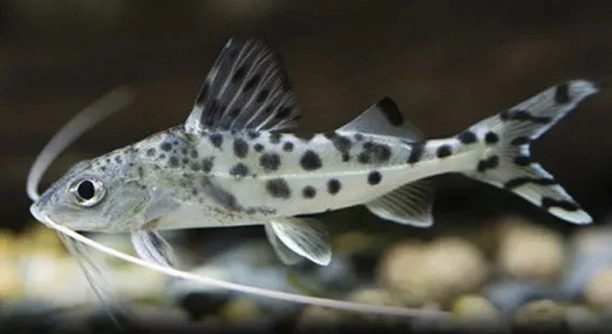
Many people enjoy keeping Pictus Catfish as pets due to their unique appearance and behavior. However, there are several misunderstandings about how these fish act in home aquariums. Clearing up these myths can improve care and appreciation for this species.
Pictus Catfish behavior is often misinterpreted, with myths suggesting they are overly aggressive, nocturnal only, or require special conditions. Scientific observations show that their social and active nature varies depending on environment and tank setup, not myths.
Knowing the truth behind these common beliefs helps create a better habitat and stronger bond with your Pictus Catfish. This article will clarify the facts and reveal what really matters for their well-being.
Myth 1: Pictus Catfish Are Aggressive
Many people believe Pictus Catfish are aggressive fish that cause trouble in community tanks. This misconception often comes from seeing them chase smaller fish or nip fins. In reality, Pictus Catfish are generally peaceful but can be territorial when stressed or overcrowded. They are active swimmers that like to explore, which sometimes looks like chasing but is more about curiosity or competition for space. Providing enough room and hiding spots reduces these behaviors. Their natural habitat includes rivers with plenty of cover, so mimicking this helps them feel secure. Proper tank mates are important too. Avoid keeping them with very small or slow-moving fish that could be seen as easy targets. When conditions are right, Pictus Catfish get along well with a variety of species and show little aggression.
Aggression usually decreases with proper care and tank management. Stress and poor environment are the main causes of unwanted behavior.
Understanding their social needs and tank conditions helps maintain peaceful coexistence with other fish in your aquarium.
Myth 2: Pictus Catfish Are Only Nocturnal
Pictus Catfish are often thought to be strictly nocturnal, hiding during the day and active only at night. While they are more active in low light, this species also shows plenty of activity during daylight hours. Their natural behavior involves crepuscular activity—being most active at dawn and dusk—but they adapt well to aquarium lighting schedules. These fish tend to explore the tank, search for food, and swim around during the day if the environment feels safe and comfortable. Bright lighting or sudden movements can cause them to hide temporarily. Providing shaded areas, plants, or decorations allows them to retreat as needed without fully disappearing. Over time, owners notice that Pictus Catfish can be lively and visible at various times, not just in darkness. This flexible behavior helps them adjust well to different tank setups and lighting conditions.
Myth 3: Pictus Catfish Require Special Diets
Pictus Catfish do not need exotic or expensive foods to stay healthy. They thrive on a balanced diet of common aquarium staples like sinking pellets, live or frozen bloodworms, and brine shrimp. Variety is important but does not have to be complicated.
Including protein-rich foods mimics their natural diet as bottom feeders. They also enjoy occasional vegetable matter like blanched zucchini or cucumber slices. Feeding small amounts two to three times daily keeps them healthy without overfeeding. They are opportunistic eaters and will search the tank bottom for leftover food.
Avoid feeding only flakes or plant-based food. A varied diet ensures they get the necessary nutrients. Regular feeding routines help maintain their energy and bright appearance.
Myth 4: Pictus Catfish Grow Too Large for Home Aquariums
Pictus Catfish can grow up to 5 inches, which some believe makes them unsuitable for smaller tanks. While they do need space, they adapt well to tanks starting at 30 gallons. Overcrowding should be avoided to reduce stress.
Providing enough swimming space and hiding spots supports their active nature. A cramped tank can lead to health issues or aggressive behavior. Proper filtration and regular water changes are also essential.
Owners should plan tank size based on the number of fish kept. A few Pictus Catfish in a spacious, well-maintained aquarium will thrive without outgrowing their environment.
Myth 5: Pictus Catfish Are Bottom-Only Dwellers
Pictus Catfish are often thought to stay only at the bottom of the tank. While they do spend much time near the substrate, they also swim through the middle and upper water levels regularly.
They enjoy exploring and can be seen moving throughout the tank, especially when searching for food or interacting with tank mates.
Myth 6: Pictus Catfish Are Difficult to Care For
Pictus Catfish require consistent water quality and a stable environment but are generally hardy fish. They adapt well when tank conditions meet basic freshwater fish needs. Regular maintenance and monitoring keep them healthy.
Myth 7: Pictus Catfish Don’t Need Tank Mates
These fish are social and do well with peaceful tank mates. Keeping them alone can cause stress. Proper companions help stimulate natural behavior and reduce boredom.
What is the ideal tank size for Pictus Catfish?
Pictus Catfish need enough space to swim actively. A minimum tank size of 30 gallons is recommended for one or two fish. Larger tanks are better if you want to keep a group. Crowded tanks cause stress and can lead to aggression or health problems. Providing open swimming areas along with hiding spots helps them feel secure and comfortable.
Are Pictus Catfish compatible with other fish?
Yes, Pictus Catfish get along well with many peaceful species. Avoid very small fish that could be seen as food, and avoid aggressive tank mates that might harm them. Good companions include tetras, barbs, danios, and larger peaceful fish. They prefer groups of their own kind, so keeping at least three together is ideal. This reduces stress and encourages natural behavior.
How often should I feed my Pictus Catfish?
Feeding two to three times per day with small portions works best. Overfeeding can pollute the tank and cause health issues. They eat sinking pellets, frozen or live foods, and some vegetables. Watch how much they consume and adjust accordingly. Uneaten food should be removed to maintain water quality.
Do Pictus Catfish need special lighting?
They prefer dim or moderate lighting with shaded areas to retreat when needed. Bright lights can stress them out and cause hiding. Adding plants or decorations creates natural shade and improves their environment. Using a timer to mimic day and night cycles helps maintain their natural rhythm.
How can I tell if my Pictus Catfish is healthy?
Healthy Pictus Catfish swim actively, have clear eyes, and bright patterns on their bodies. They respond to feeding and explore the tank. Signs of illness include lethargy, clamped fins, faded colors, or abnormal swimming. Water quality and diet are key to preventing sickness. Regular observation helps catch problems early.
What water parameters do Pictus Catfish need?
They thrive in temperatures between 72°F and 79°F, with a pH of 6.5 to 7.5. Soft to moderately hard water suits them best. Stable water conditions are important to avoid stress. Regular water changes and testing keep these parameters steady and support their health.
Can Pictus Catfish live alone?
While they can survive alone, Pictus Catfish are social fish that prefer company. Keeping a group of at least three reduces stress and encourages natural behavior. Alone, they may become shy or inactive. Group living supports their wellbeing and makes their behavior more interesting to watch.
Do Pictus Catfish make noise?
They are generally quiet fish but can produce faint sounds when interacting or during feeding. These sounds are usually not loud enough to be noticed outside the tank. Their peaceful nature means they do not create disruptive noises in the aquarium environment.
How long do Pictus Catfish live?
With proper care, Pictus Catfish can live between 8 to 10 years. Good water quality, a balanced diet, and a comfortable environment contribute to their lifespan. Regular tank maintenance and observation are essential to keeping them healthy and extending their life.
Are Pictus Catfish good for beginners?
They are moderately easy to care for but require stable water conditions and some experience with freshwater fish. Their active nature and size need adequate tank space. Beginners willing to maintain regular care and monitor water quality can successfully keep Pictus Catfish.
Pictus Catfish are often misunderstood because of common myths about their behavior and care. These fish are active and social, but not overly aggressive or difficult to keep. They do well in a properly maintained aquarium where they have enough space and compatible tank mates. Understanding their true needs helps create a healthy environment where they can thrive. It also makes watching their natural behaviors more enjoyable and less confusing.
Proper tank setup is important for Pictus Catfish to feel comfortable. They need enough room to swim freely and places to hide when they want to rest. Their diet should be varied but simple, mostly consisting of sinking pellets and occasional live or frozen foods. Regular feeding, good water quality, and a peaceful community help prevent stress. When these conditions are met, their natural curiosity and lively swimming become more apparent, showing why they are popular in home aquariums.
Taking care of Pictus Catfish requires some attention to detail, but it is not complicated. Avoid believing myths that suggest they need special treatment or behave badly. Instead, focus on maintaining stable water conditions and a balanced diet. Providing a suitable tank size and friendly tank mates will encourage positive behavior. These steps ensure your Pictus Catfish live a long and healthy life, making them a rewarding addition to your aquarium.

Hello,
If you enjoy the content that we create, please consider saying a "Thank You!" by leaving a tip.
Every little bit helps us continue crafting quality advice that supports the health, happiness, and well-being of pets around the world, for pets of all shapes, sizes, and species.
We really appreciate the kindness and support that you show us!