
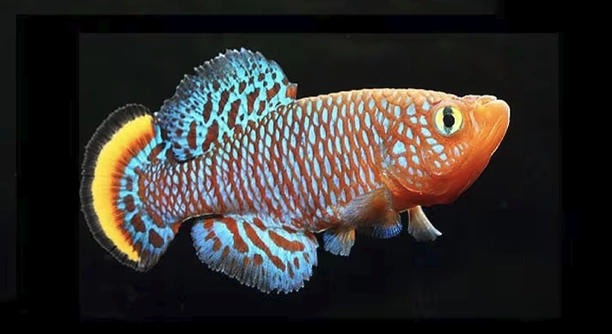
Killi fish are popular for their vibrant colors and small size, making them a favorite among aquarium enthusiasts. Many keepers enjoy learning about their care, but there is often confusion about how long these fish live. This article addresses common misconceptions about killi fish lifespan.
Killi fish lifespan myths often overestimate or underestimate their longevity. Actual lifespan varies by species and care conditions, typically ranging from one to three years. Misunderstandings arise from inaccurate information or mixing facts from different species.
Clarifying these myths can help owners provide better care and enjoy their killi fish longer. The following points explain the truths behind common lifespan beliefs.
Myth 1: Killi Fish Live Only a Few Months
Many people believe killi fish live only a very short time, sometimes just a few months. This idea comes from confusing some species with others that have shorter lifespans. In reality, most killi fish live between one and three years when properly cared for. Factors such as tank conditions, water quality, and diet play a crucial role in their lifespan. Some species, especially annual killifish, may have naturally shorter lives, but many live longer in captivity. Proper care can extend their lives beyond common expectations, making them rewarding pets for those willing to learn their needs.
Even though some species have naturally short lives, many killi fish can live for years with good care.
Understanding the species you have is important. Researching their natural habitat helps mimic their environment in your tank. Maintaining clean water and feeding a varied diet improves health. Monitoring temperature and avoiding stress also contribute to a longer lifespan. With attention to these details, killi fish can thrive well beyond the myth of a few months.
Myth 2: Lifespan Is the Same for All Killi Fish
It is often assumed that all killi fish share the same lifespan. This is not true, as different species have varied life expectancies.
Killi fish species range widely in size, habitat, and lifespan. Some annual killifish complete their life cycle within a year, while others live several years in stable conditions. Lifespan differences are linked to genetics and environmental needs. For example, non-annual species tend to live longer because they do not depend on temporary water bodies. Each species has specific requirements for water temperature, pH, and diet, affecting their overall health and longevity.
To properly care for killi fish, identifying the species is necessary. Knowing their natural lifespan helps set realistic expectations. Annual species may need a different approach, including breeding before their life ends. Non-annual killifish can live longer with steady care. Recognizing these differences ensures better care, reduces frustration, and supports the well-being of each fish. Taking the time to learn about your specific killi fish species will improve your experience and the fish’s lifespan.
Myth 3: Killi Fish Don’t Need Special Water Conditions
Killi fish often require specific water parameters for a healthy life. Many assume they can survive in any typical aquarium water, but this is not true.
Water quality directly impacts killi fish health and lifespan. Most species thrive in soft, slightly acidic to neutral water. Hard or alkaline water can stress them, leading to illness. Regular water changes and testing help maintain stable conditions. Some killifish come from seasonal pools with low mineral content, so replicating this environment supports their natural biology. Temperature control is also important; many species prefer temperatures between 68°F and 75°F. Ignoring these needs shortens their lifespan and reduces their vitality.
Setting up the right environment requires research on your species’ origin. Maintaining clean water, controlling temperature, and balancing pH can prevent many health issues. A stable, species-appropriate tank encourages natural behavior and better longevity, proving the importance of specialized care beyond basic aquarium setups.
Myth 4: Killi Fish Don’t Require a Balanced Diet
It is a common misconception that killi fish can thrive on a simple or generic diet. They actually need varied and nutritious food to live longer and stay healthy.
Killi fish naturally eat a wide range of live or frozen foods such as brine shrimp, daphnia, and mosquito larvae. Relying solely on flakes or pellets often fails to meet their nutritional needs. A varied diet boosts their immune system and supports vibrant colors. Overfeeding or feeding low-quality food may cause obesity or digestive problems. Feeding small amounts multiple times a day mimics their natural feeding habits. Live food also encourages natural hunting behavior, which contributes to their mental well-being.
Providing a balanced diet tailored to your killi species helps prevent common health issues. Regularly offering different food types promotes better growth and reproduction. Understanding dietary needs shows respect for their natural biology and directly influences their lifespan. With proper nutrition, killi fish can live fuller, healthier lives than the myths suggest.
Myth 5: Killi Fish Are Immune to Diseases
Killi fish are not immune to diseases. They can be affected by common fish illnesses like any other species.
Poor water quality, stress, and improper diet increase the risk of infections. Regular tank maintenance and monitoring fish behavior help prevent outbreaks.
Myth 6: Lifespan Cannot Be Extended
While genetics set limits, proper care can extend killi fish lifespan. Maintaining ideal water conditions and nutrition supports their health.
Reducing stress by providing hiding spots and a stable environment improves longevity. Timely treatment of diseases also prevents premature death. Small adjustments in care make a significant difference.
Myth 7: Killi Fish Are Difficult to Breed
Breeding killi fish can be straightforward with proper knowledge. Many species lay eggs in plants or substrate, requiring specific care.
Patience and attention to water quality, temperature, and feeding encourage successful breeding. Observing species-specific breeding habits increases chances of hatching healthy fry.
How long do killi fish typically live?
Killi fish generally live between one and three years, depending on the species and care provided. Some annual species live closer to a year, while non-annual types may live longer with ideal conditions. Proper tank maintenance and feeding play major roles in lifespan.
What are the best water conditions for killi fish?
Most killi fish prefer soft to moderately hard water with a pH between 6.0 and 7.5. Temperatures usually range from 68°F to 75°F, but this varies by species. Regular water changes and stable parameters reduce stress and disease risks.
Can I keep different species of killi fish together?
Mixing species is generally not recommended because of differences in behavior and water needs. Some killifish can be territorial or aggressive. Keeping a single species or compatible types in a well-planned tank improves their well-being.
What should I feed my killi fish?
Killi fish thrive on a varied diet of live or frozen foods like brine shrimp, daphnia, and bloodworms. High-quality flake or pellet foods can supplement but shouldn’t be the sole diet. Feeding small portions multiple times daily mimics their natural habits.
How often should I clean the tank?
Partial water changes of 20-30% should be done weekly to maintain water quality. Removing uneaten food and debris regularly helps prevent buildup of harmful substances. A clean tank supports longer, healthier lives.
Are killi fish good for beginners?
Some species are easier to care for than others, but killifish can be suitable for beginners willing to learn their needs. Proper water conditions and feeding are essential. Researching your chosen species helps avoid common mistakes.
Can killi fish live in a community tank?
Killi fish can live with peaceful species that share similar water needs, but aggressive or much larger fish may stress or harm them. Community tanks require careful selection of tank mates and monitoring behavior.
How do I know if my killi fish is healthy?
Healthy killi fish are active, eat regularly, and display bright colors. Signs of illness include lethargy, loss of appetite, faded colors, and unusual swimming. Early detection and treatment improve outcomes.
Is breeding killi fish difficult?
Breeding varies by species but is often manageable with correct water parameters and providing suitable spawning sites like mops or fine-leaved plants. Patience and observation are key to successful breeding.
What are common health problems for killi fish?
Common issues include fungal infections, parasites, and bacterial diseases, often caused by poor water quality or stress. Quarantining new fish and maintaining a clean tank reduce risks.
Do killi fish require special lighting?
Killi fish do not need special lighting but benefit from a natural day-night cycle. Moderate lighting helps plants grow and keeps fish active without causing stress.
How important is tank size for killi fish?
Tank size depends on the species and number of fish. Small species can live comfortably in tanks as small as 5 gallons, but larger or multiple fish need more space to prevent stress and aggression.
Can killi fish jump out of the tank?
Yes, some killi fish are known jumpers. A secure lid is recommended to prevent escape and injury.
How often should I feed baby killi fish?
Fry should be fed small amounts of live foods like infusoria or newly hatched brine shrimp multiple times daily. Frequent feedings support healthy growth during early stages.
What is the best way to introduce new killi fish to a tank?
Quarantine new fish before adding them to the main tank to avoid spreading disease. Introduce them slowly and watch for signs of aggression or stress. Adjust tank conditions as needed.
These questions cover many common concerns about killi fish lifespan and care. Addressing them improves the health and enjoyment of keeping these colorful fish.
Killi fish are often misunderstood, especially when it comes to how long they live. Many myths exist, which can lead to confusion and improper care. Knowing the truth about their lifespan helps owners provide the right environment and attention these fish need. Lifespan varies by species and depends heavily on water quality, diet, and tank conditions. Understanding these factors can make a real difference in how long killi fish live and how well they thrive.
Proper care is essential for extending the lifespan of killi fish. This includes maintaining stable water parameters such as temperature, pH, and hardness that suit the specific species. Feeding a varied and nutritious diet supports their health and vitality. Regular tank cleaning and stress reduction also play a key role. Small changes in how you care for your fish can prevent many health problems and keep them active and colorful for longer. It is important to learn about the species you keep so you can meet their particular needs.
By clearing up myths and focusing on correct care, you can enjoy your killi fish for years. Patience and attention to detail are necessary, but the reward is a healthy, lively aquarium. Whether you keep annual or non-annual species, providing a proper home increases their chance of living to their full potential. Taking the time to research and care for your killi fish will improve your experience and help these beautiful fish flourish.

Hello,
If you enjoy the content that we create, please consider saying a "Thank You!" by leaving a tip.
Every little bit helps us continue crafting quality advice that supports the health, happiness, and well-being of pets around the world, for pets of all shapes, sizes, and species.
We really appreciate the kindness and support that you show us!