
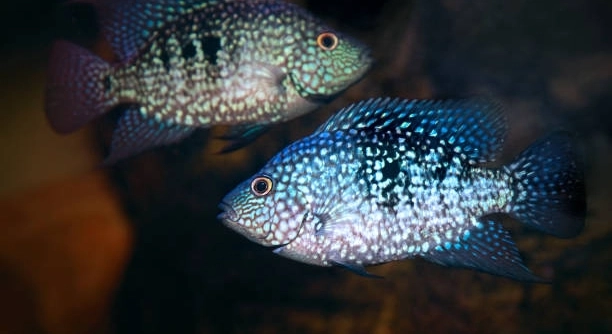
Jack Dempsey fish are known for their striking colors and lively personalities, yet many misconceptions surround their care and behavior. These freshwater cichlids often receive exaggerated warnings from hobbyists unfamiliar with their natural tendencies.
Several common myths about Jack Dempsey fish are unfounded. They are not inherently aggressive, overly difficult to maintain, or prone to health issues when kept in suitable environments with proper care and tank conditions.
Learning the truth about these fish will help you create a balanced and thriving aquarium setup without unnecessary worry or confusion.
Myth 1: Jack Dempsey Fish Are Always Aggressive
Jack Dempsey fish often get a reputation for being aggressive, but their behavior depends largely on their environment. They can show territorial tendencies, especially during breeding, yet with proper tank size, hiding spots, and compatible tank mates, aggression can be significantly reduced. Observing their interactions helps you understand when they are displaying natural territorial behavior versus true hostility. Many reports of extreme aggression come from overcrowded tanks or improperly matched fish, which exaggerates these tendencies. Providing plants, rocks, and caves creates spaces for retreat and reduces stress. Juvenile fish are generally less aggressive, and their temperament improves as they acclimate to a stable environment. Feeding schedules and tank maintenance also influence behavior, as a well-fed and clean tank reduces stress-induced aggression. Monitoring their behavior over time allows owners to adjust tank conditions effectively. With consistent care, Jack Dempseys can coexist peacefully with other semi-aggressive species without frequent conflicts.
Aggression in Jack Dempsey fish is situational. Proper tank conditions and compatible companions help maintain a calm and balanced environment for them.
Understanding their social behavior ensures you prevent unnecessary fights and maintain a peaceful aquarium where each fish has space and security.
Myth 2: They Require Extremely Complicated Care
Some believe Jack Dempsey fish demand advanced care, but they are manageable for anyone who follows basic aquarium guidelines. A stable water temperature between 74–81°F, pH of 6.5–7.5, and regular water changes keep them healthy. Filtration and aeration are important but do not need to be high-tech. These fish enjoy a varied diet of pellets, live food, and occasional vegetables, making feeding straightforward. They benefit from a moderately planted tank with hiding spots to reduce stress. Observing behavior, health, and water quality regularly is enough to prevent most issues. Overcomplicating care often leads to unnecessary worry, but understanding the fundamentals keeps Jack Dempseys thriving. They adapt well to standard freshwater tank setups, and their vibrant colors and active behavior make them enjoyable without special interventions. Learning these simple care routines ensures longevity and well-being for your fish.
Proper care focuses on water stability, nutrition, and habitat enrichment to maintain health and coloration.
By keeping conditions simple and consistent, you can enjoy a lively, colorful aquarium while avoiding unnecessary complications or stress for your fish.
Myth 3: Jack Dempsey Fish Are Difficult to Feed
Jack Dempsey fish eat a wide variety of foods and are not picky when given options. A mix of pellets, frozen foods, and occasional live food keeps them healthy. Overfeeding can cause issues, so portion control is important.
Providing a balanced diet ensures vibrant colors and steady growth. Many assume these fish need specialized foods, but they adapt well to standard freshwater fish diets. Feeding once or twice daily, in amounts they can finish in a few minutes, prevents waste and water quality problems. Variety in diet also encourages natural foraging behaviors, keeping them active and engaged. By observing how they respond to different foods, you can maintain their health without complicated feeding routines.
Frozen or live foods supplement dry pellets well, offering essential nutrients and encouraging natural hunting behaviors. Consistency and moderation in feeding routines help Jack Dempseys thrive without added difficulty or stress.
Myth 4: They Can Live in Small Tanks
Jack Dempsey fish need space to swim and establish territories, so small tanks are not ideal. A minimum of 55 gallons is recommended for a single adult. Hiding spots and decorations help reduce stress in limited spaces.
Crowded tanks often lead to aggression, poor growth, and weakened immunity. Even if the water is clean, a confined environment restricts natural behaviors and can cause chronic stress. Providing adequate space allows them to display normal activity patterns, interact properly with tank mates, and maintain strong health. Juveniles may tolerate smaller tanks temporarily, but adults require room for territorial behavior. A well-planned tank layout with open swimming areas and shelters ensures balance and reduces conflict. Monitoring fish activity and tank conditions helps prevent problems caused by insufficient space.
Larger tanks not only improve fish health but also make maintenance easier. By investing in proper tank size and layout, you support their natural behavior and long-term well-being, avoiding many common issues associated with cramped environments.
Myth 5: Jack Dempsey Fish Are Always Colorful
Their color depends on age, mood, and environment. Stress, poor water quality, or inadequate diet can dull their vibrant hues. Proper care helps maintain bright colors over time.
Juveniles often display muted colors that intensify as they mature. Their natural pattern becomes more defined with a healthy diet, stable water conditions, and low stress levels.
Myth 6: They Don’t Require Hiding Spots
Even though Jack Dempseys are confident swimmers, they need hiding spots to feel secure. Rocks, caves, and plants provide shelter and reduce stress in the tank.
Myth 7: They Rarely Breed in Captivity
Jack Dempsey fish can breed successfully in home aquariums. Providing a flat surface, stable water conditions, and a calm environment encourages natural spawning behaviors.
FAQ
What size tank is best for a Jack Dempsey fish?
A single adult Jack Dempsey needs at least a 55-gallon tank. Juveniles can start in smaller tanks temporarily, but adults require space for swimming and establishing territories. Open areas with rocks, plants, and caves help them feel secure and reduce aggression.
Are Jack Dempsey fish aggressive toward other species?
They can show aggression, especially during breeding or when overcrowded. Aggression is often situational and can be managed by choosing compatible tank mates and providing enough space and hiding spots. Calm, semi-aggressive species usually coexist well.
What do Jack Dempsey fish eat?
They are omnivores and eat a mix of pellets, frozen foods, and occasional live foods. A balanced diet promotes bright colors and healthy growth. Feeding once or twice daily, in portions they can finish in a few minutes, prevents overfeeding and water quality issues.
How often should I clean the tank?
Regular maintenance is key. Weekly water changes of 20–30% and monitoring filtration systems keep water quality stable. Cleaning decorations, removing uneaten food, and checking pH and temperature ensures a healthy environment for the fish.
Do Jack Dempsey fish need special lighting?
They do not require advanced lighting. Moderate lighting enhances their colors and supports plants if included. Too much light can stress the fish or encourage excessive algae growth, so balance is important.
Can Jack Dempseys live with smaller fish?
Small, slow-moving fish are usually at risk because Jack Dempseys may see them as food. Choosing similarly sized or semi-aggressive species reduces the chance of attacks. Monitor interactions closely when introducing new tank mates.
How long do Jack Dempsey fish live?
With proper care, they can live 8–10 years or longer. Stable water conditions, a balanced diet, and adequate space help them reach full lifespan. Stress, poor water quality, or inadequate diet can shorten their life.
Do they need hiding spots?
Yes. Even confident swimmers benefit from rocks, caves, or plants to retreat when stressed. Hiding spots reduce aggression, allow them to establish territories, and encourage natural behaviors.
How can I encourage breeding?
Provide a flat surface for laying eggs, stable water conditions, and a calm environment. Both parents typically guard the eggs and fry. Feeding a nutritious diet and reducing disturbances improves the chances of successful spawning.
Why are their colors sometimes dull?
Dull colors often result from stress, poor water quality, or an inadequate diet. Ensuring stable conditions, proper nutrition, and low stress helps them regain vibrant colors naturally over time.
Are Jack Dempseys compatible with community tanks?
They can be, but it depends on tank size and the temperament of other fish. Semi-aggressive species of similar size usually work best. Avoid overcrowding and provide hiding spots to reduce conflict and stress.
What water conditions do they need?
They thrive in 74–81°F water with a pH of 6.5–7.5. Stability is key. Sudden changes in temperature or pH can stress them, affecting behavior and health. Regular monitoring is important to maintain optimal conditions.
How do I handle aggression in the tank?
Separate overly aggressive fish or provide more space and hiding spots. Rearranging the tank and adding plants or rocks can reduce territorial disputes. Observing interactions helps identify triggers and prevent fights.
Can Jack Dempseys live alone?
Yes. They do well alone and will be less stressed without competition for territory. However, they can thrive with compatible tank mates if space and conditions are adequate.
Are they suitable for beginner fishkeepers?
Yes. While they have specific requirements, following basic care guidelines—tank size, water stability, diet, and hiding spots—makes them manageable. Observing their behavior and maintaining conditions ensures long-term health and enjoyment.
Do Jack Dempseys change behavior with age?
Juveniles are generally calmer and less territorial, while adults may show more defined aggression and territorial behaviors. Behavior often stabilizes once they adjust to a well-maintained tank and suitable companions.
How do I prevent overfeeding?
Feed portions that they can finish in 2–3 minutes once or twice a day. Remove uneaten food promptly. Consistent feeding schedules maintain water quality and prevent obesity or digestive problems.
What signs indicate illness?
Loss of appetite, faded colors, lethargy, rapid gill movement, or unusual swimming patterns are warning signs. Prompt attention to water quality, diet, and possible medical treatment helps prevent worsening conditions.
Can they coexist with live plants?
Yes. Jack Dempseys may dig around plants, so choose hardy species or secure them. Plants provide hiding spots, reduce stress, and improve water quality, contributing to a balanced tank ecosystem.
Do they require water conditioners?
Using conditioners to remove chlorine or chloramines is recommended. Beneficial bacteria in the filter and regular water testing maintain a healthy environment, minimizing stress and disease risks.
Jack Dempsey fish are often misunderstood because of their bold appearance and occasional territorial behavior. Many myths make them seem more aggressive, fragile, or difficult to care for than they really are. In reality, they are adaptable freshwater fish that thrive in well-maintained aquariums with proper space, water quality, and nutrition. Providing the right environment, including a tank of adequate size, stable water conditions, and places to hide, allows them to display their natural behaviors without stress. Observing their temperament and adjusting the tank setup as needed can prevent most conflicts or health issues. While they do require attention and consistency, caring for Jack Dempseys is not overly complicated. A balanced diet of pellets, frozen or live food, and occasional vegetables ensures steady growth and vibrant colors, making them rewarding to keep. Understanding their true needs helps avoid unnecessary worry and creates a healthier, more harmonious tank environment.
Many of the misconceptions about Jack Dempsey fish stem from lack of knowledge or experiences in poorly managed aquariums. Overcrowded tanks, incompatible tank mates, or inconsistent water quality can lead to behavior and health issues, which then reinforce negative myths. However, these problems are preventable with proper planning and care. Juveniles are generally less territorial and easier to manage, while adults require more space and structure to feel secure. Including rocks, plants, and caves provides shelter, reduces stress, and supports natural behaviors. Aggression is often situational, not constant, and can be minimized by providing adequate space and compatible companions. By maintaining stable water parameters, feeding properly, and monitoring their behavior, these fish adapt well to a home aquarium. Their intelligence, personality, and striking appearance make them enjoyable to observe. With patience and consistent care, the myths about their difficulty and aggression fade, revealing a fish that is both manageable and engaging for hobbyists.
Ultimately, keeping Jack Dempsey fish is about understanding their specific needs and responding to their behaviors appropriately. They are resilient, capable of thriving in captivity, and capable of long-term health when given proper care. Providing consistent feeding routines, stable water conditions, and adequate territory allows them to display their colors and natural behaviors fully. Many owners find that once myths are debunked, keeping these fish is both rewarding and straightforward. They can coexist peacefully with certain semi-aggressive species, provided the environment is thoughtfully arranged. Observing them over time helps owners recognize normal behavior versus signs of stress or illness, making proactive adjustments easier. By focusing on water quality, nutrition, and habitat enrichment, Jack Dempsey fish can live a full, healthy life in home aquariums. Understanding their needs removes unnecessary anxiety and allows for a positive, enjoyable experience as you care for these vibrant, active fish.

Hello,
If you enjoy the content that we create, please consider saying a "Thank You!" by leaving a tip.
Every little bit helps us continue crafting quality advice that supports the health, happiness, and well-being of pets around the world, for pets of all shapes, sizes, and species.
We really appreciate the kindness and support that you show us!