
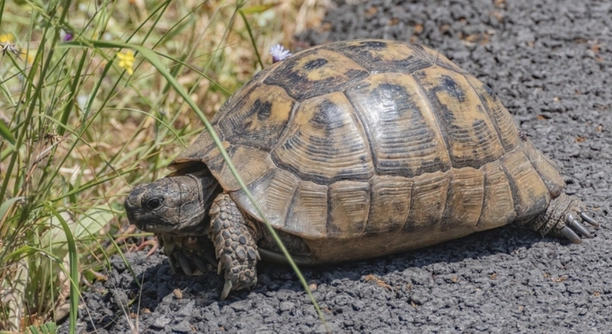
Caring for a Greek tortoise can be rewarding, but there are many misconceptions surrounding their needs. Understanding the truth behind common myths is essential for providing the best care for these fascinating creatures.
Several myths about Greek tortoise care often mislead owners, leading to improper care routines. Common misconceptions include their dietary needs, habitat conditions, and health requirements. Correcting these myths ensures a healthier, more fulfilling life for your tortoise.
Dispelling these myths can improve your tortoise’s well-being. It’s important to address common misunderstandings for the proper care of these unique animals.
Myth 1: Greek Tortoises Can Live on Lettuce Alone
A common belief is that Greek tortoises can thrive on a diet limited to lettuce. In reality, lettuce lacks the essential nutrients needed for their health. A diet focused on lettuce may lead to malnutrition, making your tortoise weak and susceptible to illness. Greek tortoises require a varied diet that includes leafy greens, grasses, and high-fiber plants. These foods mimic their natural diet and provide them with the necessary vitamins and minerals to stay healthy. It’s also important to avoid iceberg lettuce, which offers little nutritional value.
A healthy diet plays a crucial role in their well-being. Offer a mixture of leafy greens, such as dandelion leaves, collard greens, and mustard greens, to ensure a proper balance of nutrients.
Additionally, occasional supplements, such as calcium powder, can help support bone health. Be mindful to avoid overfeeding fruits as they are high in sugars and can cause digestive issues. A balanced diet is key to keeping your tortoise strong and healthy.
Myth 2: Greek Tortoises Don’t Need a Large Habitat
Many owners assume that a small enclosure is sufficient for a Greek tortoise. However, these reptiles require more space to roam and explore, just like in the wild.
Greek tortoises can grow quite large and need a spacious area to move around freely. A small enclosure can lead to stress, which may cause behavioral issues and health problems, such as shell deformities. They need room for exercise, mental stimulation, and access to natural sunlight. The minimum recommended size for an indoor enclosure is 4 feet by 2 feet, with an outdoor space being ideal for a more natural environment.
The enclosure should include a basking area where they can warm up, a cool spot for them to retreat to, and hiding places for comfort. Additionally, UVB lighting is vital for their health, as it helps them absorb calcium and promotes a strong shell. The proper setup ensures your tortoise remains healthy and active.
Myth 3: Greek Tortoises Can Survive in Any Temperature
Greek tortoises are sensitive to temperature extremes. Many people mistakenly believe they can tolerate any temperature, but both heat and cold can be harmful.
In cooler temperatures, they can become lethargic and even enter an unhealthy hibernation. Too much heat can lead to dehydration or heatstroke. It’s important to maintain a warm environment, ideally between 75°F and 85°F, with a basking spot reaching up to 95°F. During the colder months, ensure your tortoise is kept inside or in a controlled, temperature-regulated area.
If temperatures drop below 50°F for extended periods, your tortoise may struggle to survive. Temperature control ensures your tortoise stays active, healthy, and safe.
Myth 4: Greek Tortoises Don’t Need Water
Some people believe that Greek tortoises don’t need water because they live in dry environments. However, this is far from the truth.
Greek tortoises need access to fresh water at all times. Dehydration can cause serious health problems, including kidney failure and digestive issues. While they get moisture from their food, they still require water to drink. Provide a shallow water dish that’s easy for them to access. Ensure it is cleaned regularly to prevent bacteria buildup.
By providing fresh water consistently, you can avoid dehydration and promote overall well-being. It’s also important to maintain humidity in their enclosure to mimic natural conditions.
Myth 5: Greek Tortoises Don’t Need Any Supplementation
Some owners assume their tortoises can get all their nutrients from food alone, but supplementation is important.
Greek tortoises require calcium and other vitamins for healthy bone growth and shell development. A lack of calcium can lead to metabolic bone disease, which can be fatal. Providing calcium supplements, especially for indoor tortoises with limited exposure to natural sunlight, is crucial.
Offering a balanced diet along with appropriate supplements ensures your tortoise receives all necessary nutrients to thrive.
Myth 6: Greek Tortoises Don’t Enjoy Interaction
Contrary to popular belief, Greek tortoises can form a bond with their owners.
Though they are not as affectionate as some pets, they can become accustomed to human interaction. Tortoises recognize their caregivers and may even approach them during feeding time. Handling them gently and allowing them to explore their environment promotes a positive relationship. Avoid overhandling, which can cause stress, but regular, calm interaction will allow them to become more comfortable in your presence.
Myth 7: Greek Tortoises Don’t Need Any Mental Stimulation
Many believe Greek tortoises don’t require mental stimulation, but they do.
Just like any other pet, they need engagement to keep them healthy and happy. Offering a variety of plants and objects in their environment will encourage exploration and exercise. You can also hide food to encourage foraging behavior, which keeps them mentally sharp.
FAQ
What should I feed my Greek tortoise?
Greek tortoises require a varied diet that mimics what they would eat in the wild. A mix of leafy greens, such as dandelion greens, collard greens, and mustard greens, should form the core of their diet. Grasses like timothy hay and clover are also beneficial. Vegetables like zucchini, bell peppers, and cucumbers can be offered in moderation. Avoid feeding them high-sugar fruits like grapes or apples regularly, as these can upset their digestive system. It’s also essential to provide fresh, clean water daily, and sprinkle calcium powder on their food a few times a week to support healthy bone growth.
How often should I feed my Greek tortoise?
Greek tortoises are grazers and should be fed once a day, but you can offer them food in the morning and let them graze throughout the day. You may also provide a variety of plants in their habitat for them to forage on. It’s important not to overfeed, as this can lead to obesity and other health problems. A consistent feeding schedule is essential for their well-being, but always ensure the food is fresh and clean. If you notice that food isn’t being eaten after a few hours, remove it to avoid attracting pests.
Do Greek tortoises need UVB light?
Yes, UVB light is essential for the health of your Greek tortoise. In the wild, they get natural UVB exposure from the sun, which helps them metabolize calcium and keep their shell strong. If your tortoise is kept indoors, you’ll need to provide a UVB light source. This should be placed over their basking area and left on for about 12 hours a day, mimicking the natural sunlight cycle. Be sure to replace UVB bulbs every 6-12 months, as their effectiveness diminishes over time, even if the light still appears to work.
Can I keep my Greek tortoise with other pets?
While it’s possible to house a Greek tortoise with other pets, it’s crucial to consider the needs and temperament of both species. Greek tortoises are generally solitary animals and prefer to be alone. Keeping them with other animals could cause stress or even harm if they are not properly introduced or if their environment is not adequately managed. For example, larger pets like dogs or cats could pose a threat to your tortoise, and small pets may compete for resources. It’s best to monitor interactions closely and always provide a safe, separate space for your tortoise.
How do I keep my Greek tortoise warm?
Greek tortoises are cold-blooded animals, meaning they rely on external heat sources to regulate their body temperature. During the day, they need a basking area with temperatures around 90-95°F, and the cooler side of the enclosure should be around 75°F. You can achieve this with a combination of heat lamps and under-tank heating pads. Be sure to keep the habitat at a stable temperature, as temperature fluctuations can cause stress and health problems. If you live in a cooler climate, you may need to house your tortoise indoors or use additional heating sources during the colder months.
What should I do if my Greek tortoise isn’t eating?
If your Greek tortoise stops eating, there could be several reasons for this. Stress, improper temperature, lack of UVB light, or health issues like an infection could be causing a loss of appetite. Check the environment to ensure it’s warm enough, and that the UVB light is functioning properly. Also, make sure the food you offer is fresh and suitable for them. If these conditions are met and your tortoise still refuses to eat, it’s important to consult a veterinarian. A lack of appetite could be a sign of a more serious issue that requires medical attention.
How do I handle my Greek tortoise safely?
Handling a Greek tortoise should be done with care and minimal stress. When picking up your tortoise, always support its body from both sides, holding it gently but securely. Avoid grabbing them by their legs or tail, as this can cause injury. Greek tortoises do not enjoy being handled for long periods, so short, calm sessions are ideal. After handling, make sure to return them to their enclosure where they can feel secure. Overhandling can lead to stress, so always allow your tortoise to explore its environment at its own pace.
Can Greek tortoises hibernate?
Yes, Greek tortoises can hibernate, but it’s not necessary for every tortoise. In the wild, they hibernate during the cooler months, but this behavior can be risky in captivity. If you choose to allow your tortoise to hibernate, make sure they are healthy, well-fed, and at a proper weight before beginning. The temperature during hibernation should be carefully controlled to prevent any harm. If you’re unsure, it’s best to consult a vet before hibernating your tortoise. Some owners choose to keep their tortoises awake during the winter to avoid the risks associated with hibernation.
How can I tell if my Greek tortoise is healthy?
A healthy Greek tortoise should be active, alert, and have a strong, smooth shell. Check for signs of illness, such as lethargy, wheezing, or difficulty moving. Their eyes should be clear, and their nostrils should not be runny or blocked. Make sure their shell is not soft or overly thin, as this could indicate a calcium deficiency or other health issue. Additionally, their appetite should be steady, and their waste should be consistent. If you notice anything unusual, it’s important to consult with a veterinarian to ensure their well-being.
How big do Greek tortoises get?
Greek tortoises are relatively small compared to some other species. Adult Greek tortoises typically range between 8 and 10 inches in length, although some individuals may grow slightly larger. Their size can be influenced by factors such as diet, environment, and genetics. A properly cared-for Greek tortoise should reach their adult size by around 5 to 7 years of age. Providing them with enough space to move around, a healthy diet, and the right environment will support their growth and overall health.
Final Thoughts
Taking care of a Greek tortoise can be a rewarding experience when you understand their needs. They require a specific diet of leafy greens, grasses, and occasional vegetables. Providing a proper habitat with UVB light, heat sources, and clean water is also essential to their health. If you plan to keep one as a pet, be prepared for regular care, ensuring their environment stays consistent, and they get the proper nutrition. A little effort can go a long way in ensuring your tortoise stays healthy and happy for years to come.
It’s also important to remember that Greek tortoises are not high-maintenance animals but do need their space and time to adjust. They thrive in a secure environment, and while they can be kept indoors, outdoor spaces with proper fencing can be beneficial. Hiding spots, plenty of room to roam, and consistent temperature regulation are necessary to keep them active and comfortable. Take your time setting up their space so they have room to explore, and avoid crowding them with other pets that may cause stress. Over time, they will adjust to their environment, but patience is key to making them feel comfortable.
Lastly, be mindful of any signs of illness or changes in behavior. A loss of appetite, lethargy, or difficulty moving can be warning signs of potential health issues. Regular veterinary check-ups, along with monitoring their diet and environment, can help detect problems early. By providing proper care, you not only ensure their physical well-being but also allow them to thrive. Greek tortoises may be low-maintenance, but they do depend on their caretakers for survival. Taking the time to understand their needs will make the experience enjoyable and fulfilling for both you and your tortoise.

Hello,
If you enjoy the content that we create, please consider saying a "Thank You!" by leaving a tip.
Every little bit helps us continue crafting quality advice that supports the health, happiness, and well-being of pets around the world, for pets of all shapes, sizes, and species.
We really appreciate the kindness and support that you show us!