
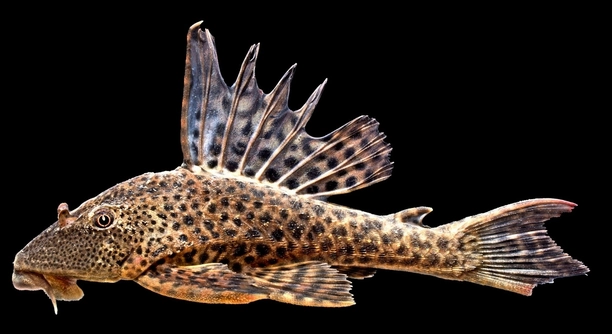
Do you ever find yourself wondering if feeding algae to your plecos is really the best thing for them? It’s common advice, but sometimes what’s common isn’t always what’s entirely true or helpful.
Feeding algae to plecos is often misunderstood. While algae can be a natural food source, it does not meet all of their dietary needs. Plecos require a varied diet that includes vegetables and protein to stay healthy and thrive.
Feeding your pleco only algae may seem easy, but there are key myths that can affect your fish’s health if left unchecked.
Myth 1: Plecos Can Survive on Algae Alone
Many people believe that algae is all a pleco needs to live a healthy life. This myth likely comes from seeing plecos in tanks with visible algae buildup, where they spend time grazing. While it’s true that algae is part of their natural diet, it’s only a small piece. Most plecos, especially in home aquariums, don’t have access to enough algae to meet their full nutritional needs. They need a mix of vegetables like zucchini and cucumber, along with occasional protein like shrimp pellets or bloodworms. Depending on the species, some plecos even need driftwood to help with digestion.
Algae wafers can help, but they are not a complete food source. Plecos are more active and colorful when their diets include variety.
Feeding only algae can lead to poor growth, sluggish behavior, and even health problems. A varied diet supports their immune system and helps them live longer.
Myth 2: All Plecos Eat the Same Thing
Different pleco species have different needs, even if they look similar. Some are herbivores, others are omnivores, and a few are more carnivorous.
For example, the common bristlenose pleco thrives on vegetables and algae, while zebra plecos need more protein in their diet. Feeding every pleco the same food can lead to nutrient gaps. It’s important to know what species you have so you can feed them correctly. A Panaque pleco, for instance, needs driftwood in its diet to help break down fibers. Meanwhile, clown plecos do better with softer vegetables and protein-based foods. Check with reliable sources or a vet who understands fish health. Offering the right food not only supports physical health but also keeps plecos active and stress-free. When a pleco gets what it truly needs, it will show brighter colors, more natural behaviors, and even live longer in your care.
Myth 3: Algae Wafers Are Always Enough
Algae wafers can be helpful, but they are not a complete diet. Many plecos need more than just wafers to stay healthy and active. Depending only on wafers can lead to long-term health issues.
Some algae wafers lack variety in nutrients. While they offer convenience, they may not provide enough fiber or protein, especially for larger or more active pleco species. If wafers make up the entire diet, your pleco could become sluggish, lose color, or develop digestive problems. It’s better to use them as a supplement rather than the main source of food. Blanched vegetables like spinach, kale, and zucchini offer natural fiber and are easy to prepare. Some species also benefit from occasional animal protein. Feeding a mix helps balance nutrition.
Rotating food types ensures your pleco gets everything it needs. Try offering veggies a few times a week and use wafers on off days. This keeps them interested and well-fed.
Myth 4: Plecos Only Eat at Night
It’s true that many plecos are more active at night, but this doesn’t mean they can’t eat during the day. With a regular feeding schedule, they’ll adjust and become more visible even with the lights on.
Plecos are often labeled as nocturnal because they prefer hiding spots and feel safer when it’s darker. However, this behavior can change in a calm environment. If your tank is quiet and your pleco feels secure, it might start coming out during the day, especially during feeding times. Offering food at the same time each day builds a routine. Over time, your pleco will associate those moments with feeding and show up for it. If your pleco only hides, it may be a sign of stress or poor diet, not just natural behavior. Give them proper shelter and food, and they’ll be more comfortable exploring the tank regardless of the time.
Myth 5: Plecos Clean the Tank by Eating All the Algae
Plecos help control algae, but they won’t clean the tank completely. Relying on them alone won’t prevent buildup. Regular water changes, filter maintenance, and algae scrubbing are still necessary to keep the tank healthy.
Even with a pleco, you’ll still see algae on glass, plants, and decorations.
Myth 6: Young Plecos Eat the Same Amount as Adults
Young plecos need food more often than adults. They’re still growing and burn energy faster. A light daily feeding helps them develop properly. Adults eat less frequently and do well with feedings every other day.
Myth 7: Plecos Don’t Need Vegetables if They Have Algae
Algae alone doesn’t offer enough fiber or vitamins. Vegetables like zucchini, cucumber, spinach, and sweet potato provide extra nutrients plecos need. Blanching them makes them easier to eat. Rotate different veggies to keep their diet balanced and interesting. Without vegetables, plecos may struggle with digestion or show signs of poor health.
FAQ
Can I feed my pleco algae tablets every day?
You can, but it shouldn’t be the only thing they eat. Algae tablets are useful, but they don’t have everything a pleco needs to stay healthy. They lack enough fiber and sometimes don’t have added protein, which many plecos require. If you feed algae tablets every day, make sure to also offer blanched vegetables two to three times a week and protein-based foods once or twice a week, depending on the species. That mix will help them grow better and show more natural behavior. Variety is the key to meeting all their nutritional needs.
Do plecos really eat leftover fish food in the tank?
Yes, plecos may eat leftover fish food if it sinks to the bottom. However, that doesn’t mean it’s good for them long term. Most fish flakes or pellets are not made with plecos in mind. They often lack the proper fiber and vegetable matter plecos need. Relying on leftovers also means your pleco might not get enough to eat, especially if the tank has fast or aggressive eaters. It’s better to feed plecos directly using sinking wafers, veggies, or specialized pellets. That way, they don’t have to depend on scraps and stay healthier overall.
How do I know if my pleco is eating enough?
If your pleco is active, shows healthy coloration, and isn’t hiding all the time, it’s likely eating well. You might also see signs of feeding like bite marks on vegetables or algae wafers. A sunken belly, pale color, or constant hiding may suggest it’s not getting enough food or the right type. Try feeding at night if it’s not coming out during the day, and always remove uneaten food after 24 hours. It helps to monitor changes in behavior and check water quality too. A healthy pleco should look full but not bloated and have steady energy.
Is it okay to leave vegetables in the tank overnight?
Yes, but not for too long. Leaving vegetables in the tank overnight is fine because many plecos eat more when it’s dark. But you should remove any uneaten pieces after 24 hours to avoid water quality problems. Rotting food can cause ammonia spikes and cloud the water. Soft vegetables like zucchini and cucumber break down faster than tougher ones like sweet potato or green beans. You can use a veggie clip to keep the food in one place, making cleanup easier and helping your pleco find it faster.
Do plecos really need driftwood?
Some species do, especially wood-eating types like the Panaque. Driftwood helps with digestion and provides fiber they can’t get from other foods. It also gives them a place to hide and feel safe. Even if your pleco doesn’t eat wood, having driftwood in the tank creates a more natural environment and reduces stress. It slowly releases tannins into the water, which can benefit some plecos. Be sure to use aquarium-safe driftwood only—boil or soak it first to remove any dirt or excess tannins before adding it to the tank.
Can plecos live in a tank without algae?
Yes, as long as they are fed properly. In fact, many clean tanks don’t have enough algae to sustain a pleco anyway. That’s why a balanced diet with veggies, wafers, and protein is essential. Algae is more like a snack than a full meal. So if your tank is spotless or new, don’t worry—just make sure you’re feeding the pleco what it needs. Clean water and steady feeding are more important than having algae in the tank.
Should I feed plecos during the day or night?
Either is fine, as long as you’re consistent. Plecos often come out more at night, but they can adapt to day feeding if they feel safe. If you feed during the day, try turning the lights down or adding more hiding spots so they feel comfortable. Some people feed after lights out to match natural behavior. Just be sure the food actually reaches them, especially in community tanks where other fish may eat it first. Watch to see when your pleco seems most active and adjust feeding times to match.
Why does my pleco ignore the algae wafers?
There could be a few reasons. It might not be hungry, or it might prefer another food. Some plecos get picky if they’re fed the same thing every day. Try rotating different brands of wafers or switching between wafers and vegetables. Also, check if other fish are eating the wafers before your pleco gets to them. You can try feeding at night or placing the wafer near your pleco’s hiding spot. If it still refuses food for more than a few days, check your water quality or speak with an aquatic vet to rule out illness.
Final Thoughts
Feeding plecos the right way takes a little more effort than just dropping in an algae wafer. While algae is a part of their diet, it doesn’t give them everything they need to stay healthy. Plecos come in many types, and their food needs can vary a lot. Some eat more vegetables, while others need extra protein. Many even require driftwood to help with digestion. Giving them a mix of food helps support their growth, color, and energy levels. When their needs are met, plecos tend to be more active, live longer, and show natural behavior in the tank.
A common mistake is thinking plecos will clean the tank and take care of themselves. While they do eat leftover food and some algae, they aren’t a complete cleaning solution. Their food needs are real, and when those needs aren’t met, you may see signs like a sunken belly, poor color, or unusual hiding. It’s also important to remember that younger plecos need more frequent feeding than adults. Feeding on a schedule, offering the right mix of food, and keeping the tank clean all work together to support their health. Watching them eat and explore is part of the joy of keeping them, but that only happens when they feel secure and well-fed.
Whether you’re caring for a bristlenose, clown, or zebra pleco, understanding what they eat and how they behave is key. Feeding vegetables a few times a week, offering sinking wafers, and sometimes adding protein can make a big difference. Don’t be discouraged if they hide at first or skip a meal—these fish often take time to adjust. Try feeding at night, place food near their favorite hiding spot, and make sure they aren’t outcompeted by other fish. Over time, they’ll learn to trust the routine. When you focus on balanced care, your pleco will reward you by thriving in your tank. A little attention to their diet goes a long way in helping them live a better, healthier life.

Hello,
If you enjoy the content that we create, please consider saying a "Thank You!" by leaving a tip.
Every little bit helps us continue crafting quality advice that supports the health, happiness, and well-being of pets around the world, for pets of all shapes, sizes, and species.
We really appreciate the kindness and support that you show us!