
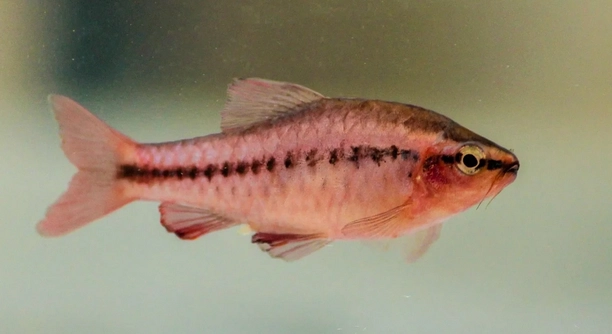
Cherry Barbs are a popular choice among aquarium enthusiasts. Despite their appeal, misconceptions about breeding these fish often persist. Understanding the facts behind these myths is crucial for successful breeding.
There are several myths surrounding Cherry Barb breeding, including the belief that they are difficult to breed or require special conditions. In reality, Cherry Barbs are relatively easy to breed under appropriate conditions, with minimal intervention required.
Correcting these myths will help you achieve a more successful and enjoyable breeding experience with your Cherry Barbs.
Cherry Barbs Are Hard to Breed: Myth or Fact?
Many people believe that breeding Cherry Barbs is a difficult task, but this is not true. These fish can breed successfully in a well-maintained aquarium with the right water conditions. Female Cherry Barbs are typically plumper and larger than the males, and their behavior plays a role in the breeding process. Once the tank conditions are ideal, such as having stable water temperature and proper pH levels, Cherry Barbs will breed easily. However, it is important to set up a separate breeding tank to prevent the parents from eating the eggs.
Breeding Cherry Barbs requires minimal intervention. With appropriate water conditions, the female will release her eggs, and the male will fertilize them. You can remove the parents after the eggs are laid, which will increase the chances of the eggs surviving.
Proper filtration and water quality are also essential for the success of breeding. A separate breeding tank will make it easier to monitor water conditions, reduce stress, and allow the eggs to hatch in a safer environment.
Male and Female Cherry Barbs Are Easy to Differentiate
Differentiating between male and female Cherry Barbs is straightforward. Males are smaller, with brighter colors, while females are typically larger and more rounded. Their coloration also plays a role in identifying their sex.
These distinctions are crucial when trying to breed Cherry Barbs. Knowing the difference between the sexes can ensure that you have the right setup for breeding. Female Cherry Barbs tend to show their full color only when ready to spawn, which is another indicator of their readiness.
Cherry Barb Eggs Are Hard to Find
Cherry Barb eggs are not hard to spot if you know where to look. They are typically laid on plants or the substrate in the tank. The eggs are small, translucent, and slightly sticky, which helps them adhere to surfaces. You may need to carefully check the tank for eggs, as they can be easily overlooked if hidden well.
After fertilization, eggs begin to develop in about 24 hours. It is crucial to ensure the water remains clean and stable during this period. Any significant changes in temperature or pH could prevent the eggs from hatching. Since Cherry Barb eggs are delicate, maintaining a stress-free environment will help promote the successful hatching of the fry.
The presence of the eggs in the tank is also an indication that your breeding setup is correct. However, monitoring the tank for any changes in the egg’s appearance is essential to ensure they are developing properly and are not infected by fungus.
Cherry Barbs Need Special Food to Breed
Feeding Cherry Barbs special food for breeding is not necessary. A varied diet of high-quality fish flakes, frozen food, and live food such as brine shrimp will provide the nutrition required for breeding. A healthy diet plays a role in ensuring that the fish are ready to breed, but there is no need for extreme measures. Proper nutrition will keep the fish in good health and support successful breeding.
The key to encouraging breeding is to make sure the fish are healthy and active. Maintaining a balanced diet with sufficient protein and vitamins will ensure that Cherry Barbs are in optimal condition for breeding. Too much or too little food can stress the fish, reducing their breeding success.
Feeding Cherry Barbs a mixture of live, frozen, and prepared foods will support their overall health and encourage breeding behaviors. This routine is enough to sustain the fish and keep them ready for reproduction. No special breeding food is required, but maintaining a healthy feeding schedule will give the best results.
Cherry Barbs Breed Only in Certain Conditions
While it’s true that Cherry Barbs prefer specific water conditions, they can breed under normal aquarium conditions with some minor adjustments. They thrive in temperatures between 75-80°F and slightly acidic to neutral pH. Regular water changes will help maintain these conditions, ensuring the fish remain in a breeding-friendly environment.
Making small adjustments to water quality, such as using a heater to maintain the ideal temperature, is an easy way to encourage breeding. Stable water conditions will also reduce stress on the fish, which could otherwise interfere with the breeding process. A simple setup can lead to successful breeding.
Cherry Barbs Are Only Active in the Morning
Cherry Barbs can be active throughout the day, not just in the morning. They are most active during feeding times but also display frequent movement when interacting with each other or exploring their environment. This behavior can be observed at any time during the day.
Breeding activity tends to increase in the morning, but it’s not limited to a specific time. Cherry Barbs are adaptable and will engage in breeding behavior during different parts of the day, provided the environment is conducive. This makes it easier for fishkeepers to observe and manage their breeding efforts.
Cherry Barbs Can’t Breed in Community Tanks
Cherry Barbs can breed successfully in a community tank, as long as certain precautions are taken. The key is to create a safe space for the eggs, such as densely planted areas. The addition of live plants or decorations will help protect the eggs from being eaten by other fish.
While Cherry Barbs may breed in a community tank, the chances of egg survival are much higher in a breeding-specific tank. If you choose to breed in a community tank, ensure that the other tankmates are peaceful and not large enough to eat the eggs.
FAQ
How can I tell if my Cherry Barbs are ready to breed?
Cherry Barbs are ready to breed when the females are noticeably rounder and more vibrant in color. The males will also display brighter, more intense colors during breeding time. The males tend to chase the females around the tank, signaling their readiness. These behaviors often indicate that they are in breeding condition, and the right water conditions will help encourage this process.
What is the best water temperature for breeding Cherry Barbs?
For breeding, Cherry Barbs prefer a water temperature between 75-80°F. Keeping the water in this range encourages breeding behavior and helps maintain the health of both the males and females. If the temperature is too high or too low, the fish may not breed, or the eggs might not hatch successfully. A consistent temperature is crucial.
Do Cherry Barbs need a separate tank to breed?
While it’s possible to breed Cherry Barbs in a community tank, having a separate breeding tank is ideal. This will help protect the eggs and fry from being eaten by other fish. It also allows for easier monitoring of water conditions, ensuring they remain optimal for the breeding process.
How often should I feed Cherry Barbs during breeding?
During the breeding period, feed Cherry Barbs two to three times a day. Their diet should consist of a variety of high-quality foods such as fish flakes, brine shrimp, and live or frozen foods. Proper nutrition is vital for healthy reproduction, but be careful not to overfeed, as this can lead to water quality issues.
How long does it take for Cherry Barb eggs to hatch?
Cherry Barb eggs typically hatch within 24-48 hours, depending on the water temperature. Warmer water will speed up the process, while cooler temperatures can delay hatching. It’s essential to monitor the eggs carefully and ensure they are developing correctly. Once the eggs hatch, the fry will start swimming after a few days.
How can I prevent my Cherry Barb parents from eating the eggs?
To prevent the parents from eating the eggs, remove them from the breeding tank after the eggs are laid. Alternatively, you can place a breeding mesh or divider to separate the parents from the eggs while allowing the male to fertilize them. Once the eggs are fertilized, the parents should be removed to protect the fry.
Can I use a sponge filter in the breeding tank?
Yes, a sponge filter is an excellent choice for a breeding tank. It provides gentle filtration, which is perfect for keeping the water clean without disturbing the delicate eggs or fry. Sponge filters also help maintain water quality while preventing the fry from being sucked into a more powerful filter.
Are there any tankmates that can be kept with Cherry Barbs during breeding?
When breeding Cherry Barbs, it’s best to keep the tank free from aggressive or larger fish that may prey on the eggs or fry. Small, peaceful tankmates, like shrimp or snails, can be kept with Cherry Barbs during breeding. Avoid keeping them with larger or more aggressive species during this time.
How can I raise Cherry Barb fry successfully?
Raising Cherry Barb fry successfully requires keeping them in a separate tank with appropriate water conditions. Feed them newly hatched brine shrimp or finely crushed fish food. Maintain stable water parameters and ensure the tank is well-filtered. As they grow, you can gradually introduce more variety to their diet.
Can I breed Cherry Barbs with other barb species?
Breeding Cherry Barbs with other barb species is generally not recommended. While different species of barbs may breed in some cases, hybridization can result in weaker offspring. It’s best to breed Cherry Barbs with other Cherry Barbs to ensure healthy and viable fry. Crossbreeding can also cause problems with genetics.
Why are my Cherry Barb eggs turning white?
If your Cherry Barb eggs are turning white, this could be a sign of fungal infection or poor water quality. Fungus can easily infect eggs if the water is too dirty or the eggs are not cared for properly. To prevent this, ensure that the water is clean and that the eggs are kept in stable conditions. A fungicide may be used if necessary, but it’s always best to focus on improving water quality and removing any infected eggs.
How can I tell the difference between male and female Cherry Barbs?
Male Cherry Barbs are smaller and more colorful than females. They often have a vibrant red or orange coloration on their bodies, especially during the breeding season. Female Cherry Barbs are larger and rounder, with a more muted coloration. Their size and shape are the easiest way to distinguish between the two sexes.
Can Cherry Barbs breed in a planted tank?
Yes, Cherry Barbs can breed in a planted tank. In fact, plants provide a safe environment for the eggs to be laid and protected. Dense plants create hiding spots for the eggs and fry, reducing the likelihood of them being eaten by other fish. Adding live plants to your breeding tank will improve the chances of successful breeding.
What is the best pH level for breeding Cherry Barbs?
The ideal pH level for breeding Cherry Barbs is between 6.5 and 7.5. Keeping the water slightly acidic to neutral will encourage breeding behavior and promote healthy egg development. Extreme pH levels can stress the fish and reduce their breeding success, so it’s important to monitor and maintain proper pH levels.
Final Thoughts
Breeding Cherry Barbs can be a rewarding experience, but it requires attention to detail and careful management of the tank environment. Ensuring the right water conditions, including temperature and pH levels, plays a crucial role in encouraging breeding. With the correct setup, including a separate breeding tank or proper hiding spots in a community tank, Cherry Barbs can successfully reproduce. Maintaining stable conditions and offering a nutritious diet to both males and females will help improve the chances of successful breeding and healthy fry.
It’s also important to recognize that breeding behavior may vary between individual fish. While some Cherry Barbs may breed readily in a well-maintained tank, others might need additional time or subtle adjustments to their environment. Patience is key during the breeding process, as it can take time for the fish to feel comfortable enough to spawn. Monitoring the fish’s behavior closely and making small changes to their environment, like adjusting water temperature or adding more plants, can help encourage breeding.
Lastly, raising Cherry Barb fry requires consistent care. Once the eggs hatch, providing a suitable diet and ensuring clean water is essential for the fry’s development. As they grow, be prepared to adjust their care based on their size and dietary needs. With the right conditions, both adults and fry can thrive, allowing you to enjoy the process of raising these colorful and energetic fish.

Hello,
If you enjoy the content that we create, please consider saying a "Thank You!" by leaving a tip.
Every little bit helps us continue crafting quality advice that supports the health, happiness, and well-being of pets around the world, for pets of all shapes, sizes, and species.
We really appreciate the kindness and support that you show us!