
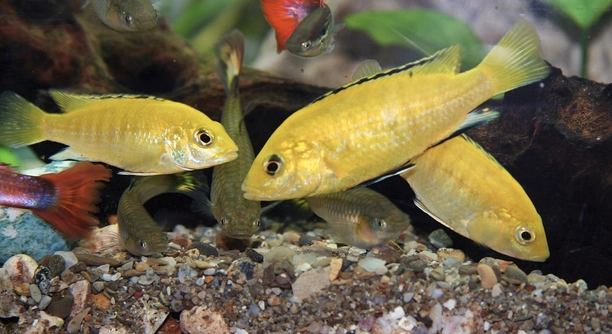
African cichlids are popular aquarium fish known for their bright colors and lively behavior. Many hobbyists enjoy keeping them but often struggle with choosing the right tank mates. Misunderstandings about their compatibility can cause problems in the tank.
There are several common myths about African cichlid tank mates that often lead to incorrect assumptions. These misconceptions include ideas about aggression, size requirements, and species mixing, which are not always supported by scientific observations or experienced aquarists. Understanding the facts helps create a healthier environment for all fish.
Knowing the truth behind these myths can improve how you care for your cichlids and their companions. This article will clarify key points to help you make better decisions for your aquarium community.
Myth 1: African Cichlids Are Too Aggressive to Live with Other Fish
Many people believe African cichlids cannot live peacefully with any other fish due to their aggressive nature. While it is true that some species can be territorial, not all cichlids display the same level of aggression. The environment, tank size, and how the aquarium is set up play a big role in their behavior. Providing plenty of hiding spaces and maintaining proper water conditions can reduce aggression significantly. It is also important to choose tank mates carefully. Some fish can coexist well if introduced properly and matched based on temperament and size. Overcrowding or keeping incompatible species together often causes fights, not the cichlids’ nature itself. Understanding individual species’ behaviors helps avoid common problems.
Aggression depends on many factors, including species and tank conditions. It is not an absolute trait of all African cichlids.
Choosing the right companions and creating a balanced environment can lead to a peaceful tank. Careful planning helps prevent conflicts and promotes healthy social interactions among your fish.
Myth 2: Tank Size Doesn’t Affect Compatibility
Tank size greatly impacts how well African cichlids get along with others. Small tanks restrict space and increase stress, which often leads to more fighting. Larger tanks provide room for territories and hiding spots, which lowers tension. Fish need space to establish boundaries, and cramped conditions can trigger aggression. Inadequate tank size also makes water quality management difficult, further stressing the fish. Many compatibility issues arise because people keep too many cichlids or other fish in tanks that are too small. Proper stocking levels and an appropriately sized aquarium are essential for peace. A spacious environment allows fish to display natural behavior without constant confrontation. This is especially true when mixing species with different temperaments.
Proper tank size supports both the health and social needs of African cichlids. Ensuring enough room for all fish reduces aggression and stress, which benefits their overall wellbeing. When planning your tank, consider the adult size of each fish and provide enough space to maintain a stable community. This approach helps avoid many common problems associated with poor compatibility. It also gives each fish a better chance to thrive and coexist with others peacefully.
Myth 3: African Cichlids Must Only Be Kept with Other Cichlids
It’s often said that African cichlids can only live with other cichlids, but this is not always true. Some non-cichlid species can coexist peacefully if chosen carefully.
Certain peaceful fish, such as catfish or some types of plecos, can share a tank with African cichlids without causing trouble. These species usually occupy different areas of the tank or have different behaviors that don’t clash with cichlids. However, it is important to avoid very slow or timid fish, as cichlids may stress or harm them. Compatibility depends on the specific species and tank setup, not just the fish family.
Mixing species requires attention to temperament, size, and habitat preferences. A well-planned community tank can work well with African cichlids and selected non-cichlid companions, but random mixing often leads to problems.
Myth 4: Color Differences Cause Aggression Between Cichlids
Color differences are not the main reason for aggression in African cichlids. Aggression is more often about territory, breeding, or dominance.
Cichlids can sometimes show aggression toward fish that look different, but this is usually a response to unfamiliar fish invading their space rather than color alone. Territorial behavior, competition for mates, and hierarchy are stronger triggers. In fact, fish of the same color or species can still fight if conditions are not ideal. Stress, overcrowding, and poor tank setup have a bigger impact on aggressive behavior than color differences. Recognizing what causes conflicts helps prevent fights better than focusing only on appearance. Proper tank management reduces aggression regardless of fish coloration.
Myth 5: African Cichlids Can Live with Any Size of Fish
African cichlids do best with fish of similar size. Very small fish may be seen as food or bullied.
Large fish that are too big might also stress cichlids or compete aggressively. Size compatibility is key for peaceful coexistence.
Myth 6: All African Cichlids Have the Same Care Needs
Different species of African cichlids have varied care requirements. Water parameters, diet, and tank setup can differ significantly.
Knowing the specific needs of each species helps maintain their health and reduces stress-related aggression.
Myth 7: African Cichlids Don’t Need Hiding Spots
Hiding spots are essential for African cichlids. They help reduce stress and aggression by giving fish places to retreat.
FAQ
What tank mates are best for African cichlids?
The best tank mates for African cichlids are fish that can handle their territorial behavior and similar water conditions. Common choices include other robust cichlids from the same lake, certain catfish like Synodontis, and some plecos. It’s important to select species with comparable size and temperament. Avoid small, slow, or timid fish, as they may be stressed or attacked. Provide plenty of hiding places and a well-structured environment to help reduce conflicts. Proper tank size and stocking levels also improve harmony among tank mates.
How can I reduce aggression between African cichlids?
Reducing aggression involves several steps. First, make sure your tank is large enough to give fish room to establish territories without constant contact. Adding rocks, caves, and plants can break lines of sight and create hiding spots. Avoid overcrowding, as this raises stress and fighting. Choose species and individuals with compatible temperaments and sizes. Regular feeding and clean water conditions also keep fish healthy and less aggressive. Lastly, rearranging the tank layout periodically can prevent fish from becoming too territorial over specific areas.
Can African cichlids live with other types of fish?
Yes, but only certain types of fish. African cichlids have specific water needs—hard, alkaline water—which limits compatible species. Fish that occupy different tank zones, such as bottom dwellers like catfish or plecos, often work well. Avoid slow or delicate species, as cichlids may bully or eat them. It’s crucial to research each species’ temperament and care requirements before mixing. Mixing incompatible fish increases stress and risk of injury, so careful planning is necessary to maintain a peaceful community.
Do all African cichlids behave aggressively?
Not all African cichlids behave aggressively to the same degree. Aggression varies by species, individual personality, and environment. Some species are naturally more territorial, especially during breeding, while others are relatively peaceful. Tank size, setup, and social groupings influence behavior. Proper care and environment management help reduce unnecessary aggression. Understanding the needs of your specific species will guide how to minimize conflicts and maintain a calmer tank.
Is it necessary to keep African cichlids in large groups?
Keeping African cichlids in groups can reduce aggression by spreading it out among many fish instead of focusing on one. This is called “dithering.” However, the tank must be large enough to accommodate the group with enough space and hiding spots. If the tank is too small, more fish can increase stress and fights. The group size depends on the species and tank dimensions. Proper stocking balances social dynamics and reduces bullying in many cases.
How often should I rearrange the tank for African cichlids?
Rearranging the tank every few weeks or months can help disrupt established territories and reduce aggression. Changing decorations, rocks, or plants confuses fish and breaks territorial boundaries. This encourages them to adapt and reduces dominance fights. However, avoid frequent or drastic changes, as it can stress fish. A balanced approach to rearranging helps maintain harmony without causing too much disruption.
What signs show that African cichlids are stressed or unhappy?
Signs of stress in African cichlids include hiding excessively, loss of color, decreased appetite, and frequent aggression or lethargy. Flashing or rubbing against objects may indicate irritation or parasites. Rapid breathing and erratic swimming also show discomfort. Stress usually results from poor water quality, overcrowding, incompatible tank mates, or improper tank setup. Identifying these signs early helps prevent illness and improves fish wellbeing.
Can African cichlids change behavior during breeding?
Yes, African cichlids become more aggressive and territorial during breeding. Males often defend nesting sites and chase away intruders. Females may also guard eggs or fry fiercely. This behavior is natural and temporary but can increase aggression toward other fish. Providing plenty of hiding places and extra space during breeding helps reduce conflicts. Some aquarists isolate breeding pairs to avoid stress in community tanks.
What should I feed African cichlids to keep them healthy?
A balanced diet for African cichlids includes high-quality pellets or flakes designed for cichlids, supplemented with live, frozen, or fresh foods like brine shrimp, bloodworms, or vegetable matter. Some species need more plant-based foods, while others are more carnivorous. Feeding a varied diet supports good coloration, growth, and health. Avoid overfeeding to prevent water quality issues. Feeding small amounts multiple times a day is better than one large feeding.
How important is water quality for African cichlids?
Water quality is critical for African cichlids. They need stable, clean water with a pH around 7.8 to 8.6 and moderate to high hardness, depending on the species. Regular water changes remove toxins and maintain balance. Poor water conditions stress fish, weaken their immune systems, and increase aggression. Proper filtration and monitoring parameters like ammonia, nitrites, and nitrates are essential. Maintaining optimal water quality supports healthy behavior and longevity.
African cichlids are fascinating fish that bring color and activity to an aquarium. However, keeping them with the right tank mates requires careful planning and understanding. Many common ideas about their behavior and compatibility are not fully accurate. Misunderstandings can lead to unnecessary stress and problems in the tank. By learning the facts about how cichlids interact with other fish and what they need, it is possible to create a peaceful and healthy environment. This benefits not only the cichlids but also the other fish sharing the space.
Successful care of African cichlids involves more than just choosing fish that look good together. It is important to consider their natural behaviors, size, and specific needs. Providing enough space, proper water conditions, and hiding places helps reduce aggression and stress. Not every species should be mixed without thought, but many can live together well if managed properly. It also helps to pay attention to how individual fish act, as some may be more aggressive or shy than others. Keeping these points in mind improves the chances of having a balanced tank where all fish can thrive.
Understanding and debunking myths about African cichlid tank mates helps avoid common mistakes. Aggression is not a fixed trait for all cichlids, and tank size plays a key role in their behavior. Mixing species can work with careful selection and setup. Proper care, diet, and water quality are equally important to keep fish healthy and calm. While it may take some trial and error to find the right combination, patience and research lead to a successful aquarium. Taking time to meet these needs allows for a more enjoyable and rewarding experience with African cichlids.

Hello,
If you enjoy the content that we create, please consider saying a "Thank You!" by leaving a tip.
Every little bit helps us continue crafting quality advice that supports the health, happiness, and well-being of pets around the world, for pets of all shapes, sizes, and species.
We really appreciate the kindness and support that you show us!