
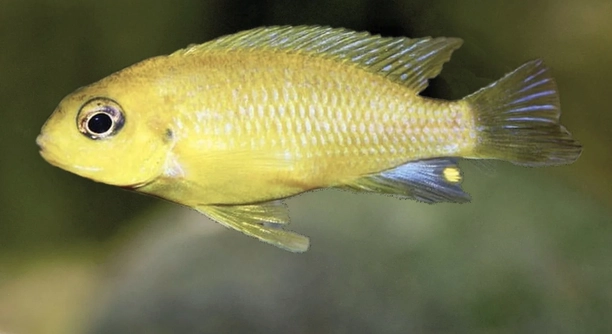
Are your African cichlids constantly hiding, acting aggressively, or struggling to thrive despite your best efforts to care for them?
Many challenges in African cichlid care come from common myths that mislead new and experienced aquarists. These misconceptions can affect tank conditions, fish health, and long-term success in maintaining a balanced aquarium.
Understanding the truth behind these myths can help you create a healthier, more stable environment for your fish and enjoy the rewards of keeping these vibrant species.
Myth 1: African Cichlids Need Only Fresh Tap Water
Many people think fresh tap water is enough for African cichlids, but this can lead to stress and illness. These fish come from lakes with hard, alkaline water. Tap water often lacks the minerals they need to stay healthy. Using untreated water can cause problems like poor color, low energy, and even disease. It’s important to test and adjust water parameters. Crushed coral, aragonite sand, or special buffers can help raise pH and hardness. Simple changes in water chemistry can make a big difference in their behavior and lifespan. Clean, conditioned water that mimics their natural habitat supports growth and health.
Regular tap water, even if safe for humans, usually doesn’t match the pH or hardness African cichlids require.
If your fish seem off or your tank is hard to keep stable, the water source might be the reason. Adjusting it properly can lead to better results quickly.
Myth 2: Cichlids Can Live Peacefully in a Community Tank
African cichlids are not ideal for most community setups. Their territorial nature and active behavior often create stress for more peaceful fish. Mixing species with different care needs or temperaments can lead to fights, injuries, and even death.
These fish need a tank that’s designed for their specific needs. Rocks and caves help create hiding spots and reduce aggression. Overcrowding is sometimes used to spread out aggression, but it must be done carefully. Many popular community fish like tetras or guppies can’t handle the aggressive nature of cichlids and may not survive long in the same space. It’s not just about aggression, either—diet, water conditions, and activity levels differ too. Trying to blend these fish together often results in frustration and loss. A cichlid-specific setup allows their true colors and behavior to shine, without risking the safety of other tank mates.
Myth 3: African Cichlids Don’t Need Plants
Many assume African cichlids destroy all plants, so they skip them entirely. While it’s true some species dig or nibble, choosing the right plants can improve tank stability and reduce stress without constant damage.
Hardy plants like Anubias, Java fern, and Vallisneria often hold up well in cichlid tanks. These species can be attached to rocks or driftwood, keeping them out of the substrate where cichlids like to dig. Plants help with oxygenation, reduce nitrate levels, and give hiding places for less dominant fish. Adding greenery also softens the tank’s appearance and provides a more natural environment. It’s best to anchor plants securely and avoid fragile species. While live plants may need adjustments and patience, they’re not impossible to keep.
Over time, many aquarists find that the right plant choices create a better balance in the tank. Even minimal planting can improve both appearance and fish behavior in a noticeable way.
Myth 4: All Cichlids Can Eat the Same Food
Some believe all cichlids can thrive on the same pellets or flakes, but that’s far from true. Diet plays a key role in health, color, and activity. Different species need different nutrients.
African cichlids have varied feeding needs depending on their species. For example, mbuna are mostly herbivores, while peacocks and haps lean more toward protein-rich diets. Feeding high-protein foods to herbivorous cichlids can cause bloating, Malawi bloat, or long-term damage. On the other hand, underfeeding protein to carnivorous types can stunt growth and affect color. Look for species-specific foods and avoid feeding scraps or general tropical fish blends. A mix of pellets, spirulina, and occasional frozen treats works well when adjusted to the fish type. Pay attention to how they respond to meals—slow eating, bloating, or waste buildup are signs something needs changing. Small diet corrections often lead to noticeable improvements in behavior and health.
Myth 5: Bigger Tanks Always Prevent Aggression
Tank size helps, but it’s not a guaranteed fix for aggression. African cichlids are territorial and can still fight in large spaces if there aren’t enough hiding spots or visual barriers.
Territory disputes often come from poor layout rather than size alone. Rocks, caves, and plants are key to success.
Myth 6: Cichlids Don’t Need Frequent Water Changes
Skipping water changes leads to rising nitrate levels, pH swings, and poor health over time. Even if the water looks clean, waste still builds up. Cichlids are sensitive to changes in their environment, and poor water quality is a common reason for illness or dull colors. A 25–30% weekly water change helps keep conditions stable and supports fish health. Clean water encourages better behavior, brighter colors, and stronger immunity. Using a gravel vacuum also removes hidden waste. Staying consistent with maintenance is easier than fixing issues later, and it helps you spot early signs of problems before they get serious.
Myth 7: Aggression Means the Tank is Overcrowded
Aggression doesn’t always mean you have too many fish. It can also happen when there are too few, and one fish dominates the space.
FAQ
How many African cichlids can I keep in one tank?
The number depends on the tank size and the species you choose. A 55-gallon tank can often house 10–15 mbuna if set up correctly, with plenty of rocks and hiding spots. Overcrowding helps spread aggression but only works if filtration and maintenance are consistent. Always research adult sizes and temperaments before stocking. Mixing aggressive and peaceful types usually leads to stress or injuries. Keep species with similar behavior levels together. Overstocking is a tool, not a rule—don’t rely on it without solid tank management.
Can I mix African cichlids with other fish?
It’s not recommended. Most African cichlids are territorial and can be aggressive toward non-cichlid tankmates. Peaceful community fish often can’t handle the stress or water conditions that suit cichlids. Some larger catfish or plecos may be okay, but even they aren’t guaranteed to work. Sticking to a cichlid-only tank helps avoid injuries and stress-related illness. If you do try mixing, monitor behavior closely and be ready to separate them if needed.
Do African cichlids need a heater?
Yes, they do. These fish come from warm climates, and water temperatures between 76°F and 82°F are ideal for most species. Sudden drops in temperature can weaken their immune systems and cause stress. A reliable heater and thermometer are necessary for stable conditions. Even in warmer homes, temperature can fluctuate at night. Always use a backup method of checking the temperature in case the heater fails or runs too hot.
How often should I feed African cichlids?
Feed them once or twice a day, in small amounts they can finish within a minute or two. Overfeeding leads to water quality problems and bloating. If your cichlids seem constantly hungry, check their diet—some need more vegetable matter than others. Avoid giving treats like bloodworms to herbivorous species. A balanced routine helps reduce waste and keeps fish active and healthy.
Why are my cichlids always fighting?
Territorial behavior is natural for African cichlids. Fighting happens when there’s not enough space, hiding spots, or compatible tankmates. Adding rocks and caves can break up sightlines and reduce chasing. In some cases, changing the group size or reintroducing fish at the same time can reset aggression. Watch for injuries and separate any fish that gets picked on constantly. Long-term bullying can lead to illness or death.
Can I use sand instead of gravel in a cichlid tank?
Yes, sand is often better. Many African cichlids enjoy digging, and fine sand is safer for their mouths and gills than sharp gravel. It also helps mimic their natural habitat. Pool filter sand or aragonite-based sand works well. Keep in mind that sand needs to be stirred or vacuumed regularly to avoid dead spots or gas buildup. It also helps reduce waste getting stuck between gaps like it often does in gravel.
How can I tell if my cichlids are healthy?
Healthy cichlids are active, alert, and eat well. Their colors are usually bright, and they move confidently around the tank. Signs of illness include clamped fins, hiding, pale color, not eating, or hovering near the surface. Regular checks during feeding time help you notice changes early. Also, watch how they interact—sudden aggression or isolation can be a sign of stress or disease. Keeping the tank clean and parameters stable goes a long way in preventing problems before they start.
Final Thoughts
Caring for African cichlids can feel challenging at times, but it becomes easier once you understand their basic needs. Many of the common mistakes come from believing popular myths. These myths can lead to poor water conditions, stress, and even sickness. Once you learn the truth, you can start making changes that help your fish live healthier lives. Things like choosing the right food, adding hiding spots, and keeping up with regular water changes all make a difference. Even small improvements in setup or care can show up quickly in your cichlids’ color, behavior, and energy.
African cichlids are active, bold, and full of personality. They do best in tanks that are designed for their habits and natural environment. This means keeping an eye on water quality, avoiding unsafe tankmates, and feeding them according to their species. While it might seem like they all need the same care, that’s not always true. Some are aggressive, while others are more calm. Some eat mostly plant matter, while others need more protein. Learning about the specific types you keep helps prevent stress and sickness later on. You don’t need to do everything perfectly at once. Just start with the basics and adjust as you learn more.
Keeping African cichlids is rewarding when you take the time to set things up properly. Their bright colors, unique behaviors, and interesting social structure make them enjoyable to watch. With the right care, they can live for years and bring life to your home aquarium. Avoiding myths helps you focus on what truly matters—clean water, the right food, and a safe, well-designed tank. Whether you’re new to cichlids or have kept them before, staying informed is always helpful. There’s always something more to learn, and each tank teaches you a little more about their needs. Being consistent, observant, and open to change is the best way to keep your cichlids healthy and your tank running smoothly.

Hello,
If you enjoy the content that we create, please consider saying a "Thank You!" by leaving a tip.
Every little bit helps us continue crafting quality advice that supports the health, happiness, and well-being of pets around the world, for pets of all shapes, sizes, and species.
We really appreciate the kindness and support that you show us!