
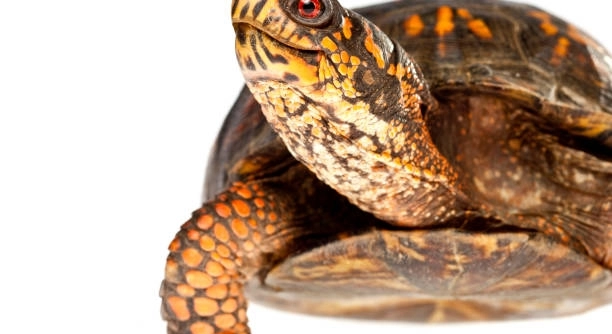
Setting up a box turtle tank requires more than just filling it with water and rocks. It’s important to create a suitable environment for your turtle to thrive. Proper care and the right features are essential for their well-being.
The ideal box turtle tank should include the right temperature, humidity, substrate, lighting, hiding spots, space to roam, and a clean water source. These features provide a comfortable and healthy environment for your pet to grow and thrive.
Each feature plays a key role in making sure your turtle is happy and healthy. We’ll explore the must-have features to keep in mind when setting up your turtle’s habitat.
Temperature and Humidity Control
One of the most important factors in creating a healthy environment for your box turtle is maintaining proper temperature and humidity. Box turtles are cold-blooded, which means they rely on their surroundings to regulate body temperature. A temperature gradient, with both a basking area and a cooler area, is essential. The basking spot should be around 85-90°F, while the cooler area should range between 70-75°F. This allows your turtle to choose the spot that best suits its needs.
Humidity is another crucial aspect. Box turtles thrive in a humid environment, with levels ideally between 50-70%. Too little humidity can lead to skin shedding problems, while too much can encourage mold growth. Providing a shallow water dish for soaking, misting the tank, and using the right substrate can help maintain proper moisture levels.
The right balance between temperature and humidity keeps your turtle comfortable and promotes good health. Make sure to regularly check and adjust these factors to maintain a consistent environment. With the correct setup, your turtle will feel at ease and remain active.
Proper Substrate
Choosing the right substrate is key for your turtle’s tank. A good substrate should allow for burrowing and be easy to clean.
A mixture of coconut husk, soil, and mulch works well for box turtles. It holds moisture and lets your turtle dig and burrow as it would in the wild.
Lighting and UVB Requirements
Box turtles need proper lighting, especially UVB light, to stay healthy. UVB rays help them produce vitamin D3, which is necessary for calcium absorption and shell growth. Without UVB, your turtle may develop metabolic bone disease.
A good UVB bulb should be placed over the basking area, and it needs to be replaced every six months, even if it still lights up. It’s also important to provide a day and night cycle, with around 10-12 hours of light per day. A timer can make it easier to manage this schedule.
In addition to UVB, ensure your turtle has a light source that mimics natural sunlight. This helps regulate their biological rhythms and creates a more natural environment. Turtles are more active when they receive the proper light exposure. Too little light can lead to lethargy and poor health. Regularly monitor your lighting setup to ensure it provides the full spectrum of light.
Hiding Spots and Enrichment
Turtles need safe places to hide and rest. Hiding spots help them feel secure and reduce stress, which is important for their health.
You can use rocks, logs, or commercially available turtle hides to create shaded, private spaces. These hiding spots should be easily accessible, large enough for the turtle to fit comfortably, and placed in different areas of the tank. It’s also a good idea to have several hiding places so your turtle can choose one based on its needs.
Space to Roam
A box turtle needs space to explore. The tank should be large enough for your turtle to move freely. A cramped space can lead to stress and health issues. A 40-gallon tank is a good minimum size for one adult turtle.
Turtles are naturally curious and enjoy exploring their environment. Adding extra space gives them room to exercise, reducing the chances of boredom and inactivity. A larger tank also makes it easier to create the necessary environmental zones, such as a basking area and a cool area.
Clean Water Source
Turtles need access to fresh, clean water for drinking and soaking. It’s important to provide a shallow dish that is easy for them to climb in and out of.
The water should be changed regularly to prevent contamination and bacterial growth. A small filtration system can help maintain water quality.
FAQ
How often should I clean my box turtle tank?
Cleaning your box turtle tank is essential for maintaining a healthy environment. It’s best to clean the tank every two to three weeks, but spot clean daily to remove waste and leftover food. If you have a filtration system, it will help reduce the frequency of full cleanings.
To do a full cleaning, remove the turtle, clean the tank with non-toxic cleaners, replace the substrate, and rinse out the water dish. When cleaning the water, always change it completely and scrub the dish. Make sure all surfaces are thoroughly dried before reassembling.
What kind of food should I feed my box turtle?
Box turtles are omnivores, so they need a balanced diet of both plant-based foods and animal protein. You can feed them leafy greens like kale, dandelion greens, and romaine lettuce. Fruits such as strawberries, apples, and melon can be offered as treats, but avoid too much citrus.
For protein, you can offer insects like worms, crickets, and mealworms. Some turtles also enjoy snails or small fish. It’s important to provide variety to ensure they get all the necessary nutrients. Supplement their diet with calcium powder, especially for younger turtles or those with shell issues.
Can I keep more than one box turtle in the same tank?
It is possible to house more than one box turtle together, but it comes with challenges. Turtles are territorial creatures and may become aggressive toward each other. This is especially true if the tank is too small or if they feel overcrowded.
If you decide to house multiple turtles, ensure the tank is large enough to give each turtle its own space. It’s also important to monitor them closely for signs of aggression or stress. If you notice fighting or constant hiding, it may be best to separate them.
Do box turtles need to be kept warm all the time?
No, box turtles don’t need to be kept warm all the time, but they do require a proper temperature gradient. They need a basking spot with temperatures around 85-90°F, and a cooler area of about 70-75°F. At night, temperatures can drop to around 65°F.
A heat lamp over the basking area and a thermometer in both the warm and cool zones will help regulate the temperature. Box turtles also need a period of darkness to simulate the natural day-night cycle. Always monitor the temperature regularly, especially in colder weather.
How do I maintain humidity in my box turtle tank?
Maintaining proper humidity is important for box turtles, as it helps prevent dehydration and skin shedding problems. Aim for humidity levels between 50-70%. This can be achieved by misting the tank regularly, especially in the warmer months, and by using a humidifier if necessary.
You can also increase humidity by adding a shallow water dish for soaking. Substrates like coconut coir or cypress mulch help retain moisture, keeping the tank at the right humidity level. Just be careful not to let it get too humid, as excess moisture can lead to mold growth.
What size tank do I need for a box turtle?
For one adult box turtle, a tank size of at least 40 gallons is recommended. However, bigger is always better when it comes to turtles. A larger tank allows for more room to create different temperature zones and hiding places.
If you plan on keeping more than one turtle, you’ll need an even larger tank to prevent territorial issues. Remember, turtles need space to roam, and a cramped tank can lead to stress and health problems. A long, wide tank is better than a tall one since box turtles tend to roam horizontally rather than climb.
Can box turtles be housed outside?
Yes, box turtles can be housed outside, provided the environment is safe and secure. If you live in a warm climate, you can build an outdoor enclosure that provides both shaded and sunny areas, as well as hiding spots and a shallow water source.
Make sure the enclosure is secure to prevent predators from getting in. It should also have tall sides to keep the turtles from escaping. If temperatures drop below 60°F, it’s best to bring your box turtle inside, as they are sensitive to the cold and can become ill.
Why is my box turtle not eating?
There are a few possible reasons why your box turtle may not be eating. Stress, such as being in an unfamiliar environment or having tankmates, can cause turtles to lose their appetite. Poor tank conditions like incorrect temperature, humidity, or lighting can also affect their eating habits.
Additionally, if your turtle is shedding its skin or shell, it may temporarily lose its appetite. If the problem persists, consult a vet to rule out any underlying health issues. Always ensure that the food you offer is fresh and suitable for your turtle’s dietary needs.
How long do box turtles live?
Box turtles have a long lifespan, typically living between 40 to 50 years, and some can live even longer with proper care. Their lifespan can vary depending on factors like diet, living conditions, and overall health. Wild box turtles may have shorter lives due to predators and environmental factors.
To help your turtle live a long life, provide a stable, stress-free environment with appropriate lighting, temperature, humidity, and a balanced diet. Regular vet check-ups are also important to catch any health issues early.
What type of substrate is best for a box turtle tank?
The best substrate for a box turtle tank is one that is safe, easy to clean, and retains moisture. Coconut husk or coconut coir is a popular choice, as it holds moisture well, is easy to spot clean, and is non-toxic. Cypress mulch is another good option for humidity.
Avoid using gravel or sand, as these can cause impaction if ingested. Newspaper and paper towels can be used as a temporary substrate, but they don’t provide the same level of comfort or humidity as natural substrates. Always choose a substrate that suits your turtle’s needs for burrowing and humidity control.
Final Thoughts
Setting up the right tank for your box turtle is essential for their well-being and health. Every feature, from temperature and humidity control to proper lighting and hiding spots, plays a vital role in creating an environment where your turtle can thrive. It’s important to keep their tank clean, provide a variety of food, and offer enough space for them to move around. Consistent care and regular checks are key to making sure your turtle remains healthy and happy.
Box turtles are active, curious creatures that need more than just a basic tank setup. They require a habitat that closely mimics their natural environment, which means offering the right mix of warmth, moisture, and safe spaces. The tank should be large enough to allow for both exploration and comfort. Small details, such as keeping the water clean and providing a varied diet, make a big difference in keeping your turtle healthy. Proper lighting, especially UVB lighting, is crucial for their overall health, helping them to absorb calcium and maintain strong shells.
Remember, box turtles can live for many years, so setting up a tank that meets their needs is not just about creating a good home for now, but one that will keep them comfortable and healthy throughout their long life. Regular maintenance and thoughtful care will ensure they have the best chance of thriving. With the right setup and attention, your turtle will have a great life in its new habitat.

Hello,
If you enjoy the content that we create, please consider saying a "Thank You!" by leaving a tip.
Every little bit helps us continue crafting quality advice that supports the health, happiness, and well-being of pets around the world, for pets of all shapes, sizes, and species.
We really appreciate the kindness and support that you show us!