
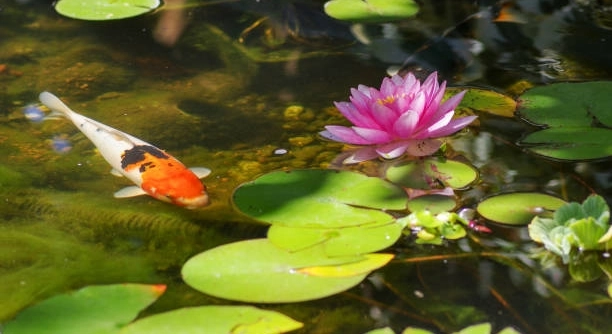
Koi fish display many unique behaviors that often go unnoticed by casual observers. Watching their movements can reveal a lot about their mood and environment. Understanding these signs helps deepen appreciation for these graceful creatures.
Koi exploration mode is indicated by specific movements such as slow, deliberate swimming, frequent head turns, surface investigation, and gentle fin flicks. These behaviors suggest the fish is actively examining its surroundings for food, shelter, or social cues.
Recognizing these subtle signs can enhance how you care for and interact with your koi, making your experience with them more rewarding and insightful.
Slow, Careful Swimming
When koi enter exploration mode, their swimming becomes slow and measured. Instead of gliding quickly across the pond, they move deliberately, often pausing mid-swim. This slower pace allows them to inspect their environment more thoroughly. They may hover near plants, rocks, or other structures, using their sensitive barbels to gather information. These barbels act like tiny feelers, helping koi detect changes in water quality or the presence of food. Slow swimming is often paired with a slightly lowered head, showing they’re focusing on what’s beneath the surface. This behavior is different from their usual playful darting or casual cruising. It’s a clear sign they are assessing safety or searching for something new. Watching this can be calming and offers a chance to better understand what your koi might be experiencing in their habitat. It’s important not to disturb them during this time, as they rely on subtle cues to navigate their surroundings.
The slow, careful swimming signals koi are actively engaged in their environment and gathering information to stay safe.
Noticing slow movements helps koi keep alert and responsive. It often means they are comfortable enough to explore but still cautious of changes in their pond, balancing curiosity and safety.
Head Turns and Surface Sniffing
Koi frequently turn their heads when exploring, scanning different directions with deliberate movements. This behavior is a key sign of curiosity and information gathering. They may also swim to the surface to gently open their mouths, “sniffing” the water for scents or potential food particles. This surface investigation helps koi detect changes in water chemistry or nearby activity. They rely heavily on their sensory organs to understand their environment. Head turns are slow and steady, indicating focused attention rather than random motion. This movement often accompanies fin flicks or slight body shifts, as koi adjust their position to get a better sense of their surroundings. Watching these actions can reveal how much koi rely on their senses beyond just sight. It also shows how they assess threats and opportunities in their habitat, quietly learning about everything around them.
These behaviors are subtle but important signs that koi are mentally active and aware of their environment.
Recognizing head turns and surface sniffing allows caretakers to identify when koi are exploring or reacting to changes in their pond. It highlights how koi balance awareness and exploration to stay safe and find resources. This behavior can increase when new plants, decorations, or other fish are introduced, showing koi adaptability. Understanding these signs makes it easier to spot normal exploratory behavior versus stress or illness. When koi explore this way, it often means they feel secure enough to investigate but are still alert to potential threats or food sources. Keeping the pond stable and safe encourages more natural exploratory behavior and supports koi well-being.
Gentle Fin Flicks
Gentle fin flicks often occur when koi are exploring. These small, careful movements help koi adjust their position while inspecting the area. The fins flick softly, not aggressively, showing calm curiosity rather than agitation.
These fin flicks allow koi to navigate tight spots or slow down without startling nearby fish. They use these subtle movements to feel their way through plants or decorations. It’s a way to stay balanced and steady while gathering information. This gentle fin activity contrasts with fast, wide fin flaps seen during stress or aggression. It shows koi are relaxed but alert, carefully probing their environment. Watching these flicks can give a clearer idea of koi mood and intent.
Koi also use their fins to create small water currents, which can help detect changes in temperature or water flow. This behavior supports their exploration by giving sensory feedback about their immediate surroundings.
Circling Patterns
Circling is a common movement when koi explore new areas or objects. They swim in small loops or circles around something interesting, slowly gathering more details. This repeated pattern helps them study the object from all angles and signals curiosity and caution. Koi may circle plants, rocks, or new pond features, making sure nothing is harmful before fully approaching.
This behavior shows koi are thorough in their exploration, not rushing but instead careful to avoid surprises. Circling lets them assess potential hiding spots or food sources while staying aware of other fish. It also helps koi establish spatial memory, remembering areas they find safe or worth revisiting later. This pattern is different from aimless swimming, as it has a clear purpose.
Circling can also be a social signal. When koi circle together, it may indicate group interest or a shared investigation. Observing circling can reveal changes in pond dynamics and koi comfort levels with new additions or alterations. It reflects their natural instincts to explore cautiously yet confidently.
Surface Tapping
Surface tapping is a gentle behavior where koi lightly tap the water’s surface with their mouths. This action helps them test water quality or search for food particles floating above. It’s a quiet way to explore without causing much disturbance.
This tapping is usually slow and deliberate, showing koi are focused but calm. It can also be a way to interact with the environment, gathering sensory information from the air-water boundary.
Investigating Shadows
Koi often follow or inspect shadows moving across their pond. Shadows might come from leaves, birds, or people nearby. This attention helps koi stay aware of potential changes or threats in their space.
This behavior shows their alertness and cautious curiosity. They don’t react with panic but with careful observation, keeping their environment under watchful review.
Pecking at Objects
Koi sometimes peck gently at objects in their pond, such as stones or plants. This pecking is a way to test texture or search for hidden food bits. It’s a focused action that reflects their investigative nature.
Pecking is slow and careful, different from aggressive biting, and helps koi learn about unfamiliar items in their habitat. It’s part of their natural exploration routine.
FAQ
Why do koi swim slowly when exploring?
Koi slow down to carefully observe their environment. This measured pace helps them gather information about potential food, changes in water quality, or new objects in their pond. Swimming slowly reduces the chance of startling other fish and allows them to use their barbels effectively for sensing.
What does frequent head turning mean in koi?
Frequent head turns show koi are curious and assessing their surroundings. They use this movement to scan different areas for threats or food. Head turning often accompanies surface sniffing, where koi check for changes in water chemistry or nearby activity.
Are fin flicks a sign of stress or exploration?
Gentle fin flicks usually indicate exploration and calm curiosity. These small movements help koi maintain balance and navigate without sudden bursts of speed. Aggressive or rapid fin flapping, on the other hand, often signals stress or irritation.
What causes koi to circle objects in the pond?
Circling is a behavior linked to thorough investigation. Koi swim around objects in loops to view them from multiple angles, helping decide if the object is safe or interesting. It also supports spatial memory and can sometimes be a social behavior when multiple koi circle together.
Why do koi tap the water surface lightly?
Surface tapping allows koi to test the water’s surface for food particles or changes in water quality. This gentle action is a quiet way to explore without disturbing their environment, showing a careful approach to gathering sensory information.
Is following shadows a normal behavior for koi?
Yes, koi watch and follow shadows as part of their alertness. Shadows might signal the presence of birds, leaves, or people. Rather than reacting with fear, koi observe cautiously to stay aware of changes or potential threats.
What does pecking at pond objects mean?
Pecking is koi’s way of exploring textures and searching for hidden food on plants, stones, or decorations. It is a slow, deliberate action different from aggressive biting and helps koi understand unfamiliar elements in their habitat.
Can koi exploration behavior indicate health issues?
Typically, exploration behaviors like slow swimming, fin flicks, and head turning show healthy curiosity. However, if movements become erratic or koi seem lethargic, it might suggest stress or illness. Regular observation helps distinguish normal exploration from potential problems.
How often do koi enter exploration mode?
Koi may switch into exploration mode multiple times a day, especially when something changes in their environment. New plants, decorations, or pond visitors often trigger increased exploratory behavior as koi assess their surroundings.
Does exploration behavior change with seasons?
Yes, koi tend to explore more during warmer months when activity levels are higher. In colder seasons, they slow down and reduce movement, focusing on conserving energy rather than exploring.
How can I encourage healthy exploration in my koi?
Maintaining a stable pond environment with clean water, varied plants, and safe hiding spots encourages koi to explore confidently. Avoid sudden changes and provide enrichment like new decorations or gentle water movement to stimulate natural curiosity.
Should I intervene if koi seem overly cautious?
No, cautious behavior during exploration is normal. Koi balance curiosity with safety, so it’s best to observe without interference. Intervening too much might stress them or disrupt their natural assessment process.
Can koi explore together?
Koi often explore in groups, especially when circling or investigating new objects. This social behavior helps them feel more secure and share information about their environment.
What is the role of barbels during exploration?
Barbels are sensory organs that help koi detect chemical changes, textures, and food particles. During exploration, koi use barbels to “feel” their surroundings, especially when moving slowly or inspecting surfaces.
Are koi more active explorers at certain times of day?
Koi usually show more exploration activity in the morning and late afternoon when water temperatures are comfortable. During the hottest part of the day, they may rest or stay in shaded areas, reducing active exploration.
Final Thoughts
Koi exploration behavior is an important part of how these fish interact with their environment. Their slow swimming, head turns, gentle fin flicks, and other movements are all ways they learn about the pond around them. These actions help koi find food, stay safe, and feel comfortable in their space. By paying attention to these signs, you can better understand what your koi are experiencing and how they respond to changes. This understanding can help improve the care you provide and make your koi’s life healthier and more enjoyable.
Watching koi explore can be calming and rewarding. Their careful, deliberate movements show they are curious but cautious. They are not just swimming randomly; they are gathering information and making decisions. When koi circle objects or tap the surface gently, they are using their senses to understand their habitat better. Recognizing these behaviors helps you notice when your koi are content or if something in the pond might be causing concern. It also highlights how sensitive koi are to their environment and how important it is to keep the pond stable and clean.
Supporting natural exploration in koi is beneficial for their overall well-being. Providing a safe and enriched pond with plants, hiding spots, and clear water encourages them to stay active and curious. Avoid sudden changes or loud disturbances that might stress the fish and limit their willingness to explore. When koi feel secure, they show more of these natural behaviors, which is a good sign of their health. Paying attention to koi exploration can deepen your connection with them and help create a peaceful, thriving pond environment.

Hello,
If you enjoy the content that we create, please consider saying a "Thank You!" by leaving a tip.
Every little bit helps us continue crafting quality advice that supports the health, happiness, and well-being of pets around the world, for pets of all shapes, sizes, and species.
We really appreciate the kindness and support that you show us!