
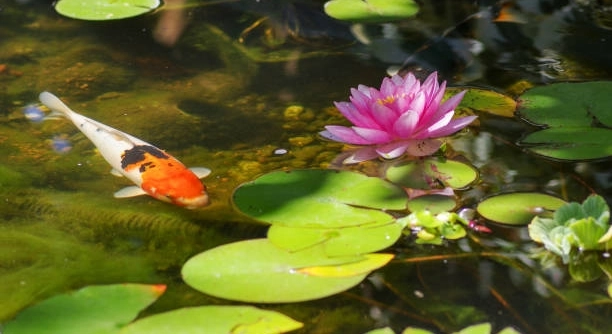
Koi fish display interesting behaviors when hunting insects near the water’s surface. Observing these movements can help you understand their feeding habits and natural instincts. Recognizing these signs makes watching koi more enjoyable and insightful.
Koi hunting insects exhibit distinct movements such as surface dipping, quick darting, and gentle fin flicks. These actions are deliberate and help koi detect and capture prey efficiently, showcasing their adaptation to feeding in their natural environment.
These subtle movements reveal the fascinating ways koi interact with their surroundings while searching for food. Learning to spot them adds depth to your koi-watching experience.
Surface Dipping Movements
When koi are hunting insects, one of the most noticeable behaviors is surface dipping. You’ll often see the fish slowly lower their heads or bodies toward the water surface. This movement allows them to scan closely for insects resting or flying just above the water. The koi may pause briefly as they inspect the area, using their sensitive barbels to detect vibrations or movements. Once they spot prey, they quickly snap their mouths to catch it. This action is usually calm and deliberate, showing the koi’s focused attention on their target. Watching this can be quite peaceful, as the koi seem almost methodical in their approach. It’s a subtle sign that they are actively searching for food rather than just swimming aimlessly. This dipping behavior is common during warmer months when insects are more abundant near ponds and water gardens.
Surface dipping is a key sign that koi are actively feeding near the water’s edge. It shows they rely on close observation and touch.
Learning to recognize this movement helps you understand how koi interact with their environment to find insects and stay nourished.
Quick Darting Movements
Quick darting is another common behavior that suggests koi are hunting insects. This rapid, sudden movement often happens after the koi spots a flying insect or something floating on the surface. The koi will swiftly move toward the target, opening its mouth to capture the prey. Unlike surface dipping, darting is fast and energetic, showing urgency and precision. This action can be surprising to watch because the koi move so suddenly, almost like a quick strike. After the dart, koi often return to calmer movements as they assess the next target. These bursts of speed require energy, so they usually happen when the koi is confident an insect is within reach. Observing quick darting offers a glimpse of the koi’s natural hunting instincts in action, making the feeding process feel dynamic and lively. It highlights how koi balance patience and speed to catch their food efficiently.
Gentle Fin Flicks
Gentle fin flicks often occur when koi are trying to disturb the water surface to flush out hidden insects. These subtle movements create small ripples that encourage insects to move, making them easier to spot and catch. This behavior is both strategic and patient.
These flicks usually come from the pectoral or tail fins and are carefully controlled. The koi doesn’t want to create too much noise or large waves that might scare the insects away. Instead, the flicks are soft enough to disturb the surface just enough to reveal prey. It’s a method koi use to search for insects hiding on plants or floating debris. You may notice this action when the koi seem to be “probing” certain spots in the water repeatedly. It’s a quiet, effective hunting tool that shows their gentle but purposeful approach to feeding.
Gentle fin flicks also help koi test the water for insect presence by creating vibrations that trigger movement in prey. This adds a tactile element to their hunting skills, improving their chances of success. It’s fascinating to see how these small movements contribute to their overall feeding behavior and interaction with the environment.
Head Tilting and Turning
Head tilting and turning are common when koi are tracking insects near the water surface. This movement helps them get a better view and locate prey from different angles. It shows their focused attention during hunting.
By adjusting the position of their heads, koi can improve their depth perception and accuracy in spotting insects. This movement allows them to assess distances more precisely and decide the best moment to strike. The slow tilting is often combined with other behaviors, like surface dipping or fin flicking, to increase the chance of detecting insects hidden under water plants or floating on the surface. These small head adjustments reveal the koi’s careful and patient approach to finding food. Watching this behavior can feel like watching a skilled hunter carefully stalking its target before making a move.
Slow Circling
Slow circling near the water surface is a clear sign koi are hunting insects. This movement allows them to carefully scan an area for prey without causing too much disturbance.
The koi often moves in a gentle, circular pattern, checking the surface and nearby plants. This helps them cover more ground while staying alert for any insect movement.
Mouth Snapping
Mouth snapping happens when koi quickly open and close their mouths to catch insects on or just above the water. This precise action is a key part of their feeding.
This quick snap is fast and accurate, allowing koi to capture prey with minimal effort. It’s often paired with other movements like darting or dipping to improve success.
Body Swaying
Body swaying helps koi adjust their position and balance as they hunt for insects near the water surface. This subtle movement improves their control and focus during feeding.
Koi use swaying to stay steady and ready to strike, making it easier to catch small, quick-moving prey like insects.
How do koi know when insects are near the water?
Koi have a strong sense of smell and sensitive barbels near their mouths that help detect movement and vibrations in the water. These barbels act like tiny feelers, picking up subtle changes caused by insects landing or flying close to the surface. They also rely on sharp eyesight to spot insects resting on plants or water. Together, these senses guide koi to focus their hunting efforts where insects are most likely to appear.
Why do koi move slowly when searching for insects?
Koi move slowly near the surface to avoid creating big ripples that might scare insects away. Slow movements allow them to carefully watch and listen for signs of prey. This calm approach helps koi gather enough information before making a quick strike. The slow pace also conserves their energy, since sudden fast movements are saved for the moment they decide to catch an insect.
Can koi eat all types of insects?
Koi are opportunistic feeders and will try to eat many types of insects they find near or on the water surface. Common prey includes flies, mosquitoes, dragonflies, and small beetles. However, they tend to prefer softer, slower insects that are easier to catch. Hard-shelled or very fast insects may be harder for koi to catch or digest but won’t be ignored if available.
Is it normal for koi to hunt insects in a pond environment?
Yes, it’s completely normal. Insects are a natural part of a koi’s diet in outdoor ponds and help provide variety and protein. Hunting insects also allows koi to use their natural instincts, which keeps them active and healthy. If your pond has plenty of plants and open water, you’re likely to see these hunting behaviors often, especially during warmer months.
How does water temperature affect koi insect hunting?
Water temperature plays a big role in how often koi hunt insects. Warmer temperatures usually mean more insects around the pond, so koi will be more active in hunting. When water is cold, insects become less active or disappear, and koi slow down their movements. Hunting behaviors decrease as koi focus more on conserving energy during colder seasons.
Do koi always succeed when hunting insects?
Not always. While koi are skilled hunters, insects are quick and can often escape capture. Koi may attempt several strikes before successfully catching prey. Their hunting involves patience and practice, so seeing failed attempts is normal. This trial and error helps koi improve their timing and precision over time.
What other signs show koi are feeding besides hunting insects?
Besides insect hunting, koi show feeding signs like opening their mouths at the surface to take in pellets or flakes. You might notice koi gathering around feeding spots or following your hand when you feed them. Sometimes koi bump into each other or swim excitedly during feeding times. These behaviors indicate they are actively looking for food.
Can koi hunting insects affect pond water quality?
Generally, koi hunting insects does not negatively impact water quality. In fact, feeding on insects can reduce the number of pests around the pond. However, if too many insects or uneaten food accumulate, it might lead to water issues like algae growth or increased waste. Regular pond maintenance helps keep the balance healthy.
How can I encourage koi to hunt insects naturally?
Creating a pond environment with plenty of aquatic plants and open water helps attract insects. Avoid over-cleaning the pond or using pesticides near it, as these reduce insect availability. Letting some natural insect activity thrive around the pond supports koi’s natural feeding habits and keeps them engaged in hunting behaviors.
Koi hunting insects is a natural and important part of their behavior. These movements, like surface dipping, fin flicks, and quick darting, show how koi use their senses and skills to find food in their environment. Observing these actions can give you a better understanding of how koi interact with their surroundings. It also shows how they rely on patience, balance, and speed to catch their prey. Watching koi hunt can be calming and interesting, as their movements reveal a mix of curiosity and focus.
Understanding koi feeding habits helps in caring for them properly. When koi are actively hunting insects, it means they are healthy and comfortable in their pond. This natural feeding is a good way for them to get extra nutrients beyond their regular diet. If you notice these behaviors often, it’s a sign that your pond supports a healthy ecosystem with insects and plants. Keeping the pond clean but natural encourages this balance and keeps koi engaged in their natural behaviors.
Keeping an eye on koi movements related to hunting also helps you know when they might need more food or when the pond conditions change. For example, if koi stop hunting insects, it could be because the water temperature is too cold or there are fewer insects available. Paying attention to these signs allows you to adjust feeding routines or pond care to keep your koi happy and thriving. Overall, watching koi hunt insects is a simple way to connect with their natural habits and enjoy their unique behaviors.

Hello,
If you enjoy the content that we create, please consider saying a "Thank You!" by leaving a tip.
Every little bit helps us continue crafting quality advice that supports the health, happiness, and well-being of pets around the world, for pets of all shapes, sizes, and species.
We really appreciate the kindness and support that you show us!