
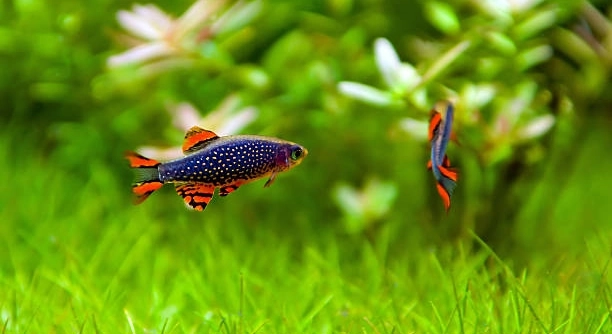
Danios are lively fish that often brighten up home aquariums. Watching them move can be relaxing, but noticing specific behaviors can reveal their playful side. Learning to recognize these cues helps create a more engaging environment for them.
Danios signal play through distinct movements such as darting, chasing, circling, jumping, nipping, fin flaring, and body twisting. These behaviors indicate curiosity, energy, and social interaction, reflecting normal, healthy activity patterns within their aquatic environment.
Recognizing these playful signs allows owners to better support their fish’s activity and enrich their daily aquarium experience.
Darting Movements
Danios often dart quickly across the tank in short bursts. These sudden movements are not random; they are a playful display of energy. I’ve noticed that when my danios do this, they seem excited and alert, often chasing each other for a few seconds before pausing. It’s a sign they feel comfortable in their environment. Frequent darting usually occurs when the tank is quiet, with no disturbances, and the fish feel safe. Watching them zip back and forth reminds me how active and lively they can be. It’s fascinating to observe subtle changes, like when one fish leads and others follow, forming small patterns or sequences. These movements aren’t just entertaining—they indicate a healthy level of physical activity. Tanks with ample space and decorations allow danios to express this behavior more naturally. Proper water conditions and consistent feeding schedules can encourage darting, making the tank a stimulating place for these small, energetic fish.
Darting is a primary indicator of playfulness and energy in danios, reflecting engagement with their environment and social interactions within the tank.
Observing darting closely can help owners understand each fish’s personality, energy levels, and comfort within the aquarium, improving overall care practices.
Chasing Behavior
Chasing among danios is common, usually between two or more fish moving rapidly after each other.
Chasing demonstrates social interaction and play rather than aggression. It often happens in a safe, spacious tank where fish can move freely. While it may seem competitive, it usually strengthens social bonds and keeps the fish active. In smaller tanks, chasing can appear more intense due to limited space, but it generally remains harmless if there are enough hiding spots and decorations. I’ve seen my danios chase each other around plants and rocks, creating loops and circles as they go. This playful activity can help reduce stress and prevent boredom, as constant movement stimulates both their physical and mental health. Watching them engage in this behavior shows that they are alert and responsive, highlighting their intelligence and coordination. Encouraging chasing by keeping the tank enriched with plants, tunnels, and open swimming areas can maintain a lively, dynamic aquarium that keeps the fish healthy and active for longer periods.
Circling Patterns
Circling is a playful behavior where danios swim in loops around each other or around objects in the tank.
I often notice my danios forming small circles near plants or decorations. This behavior shows social interaction and curiosity, as they explore their surroundings while engaging with other fish. Circling can occur in groups or individually, sometimes lasting several seconds before they disperse. It is more frequent in tanks with open swimming space, allowing them to maintain their movement without obstruction. Watching them circle reveals their coordination and agility. Over time, I realized that the fish often return to favorite spots to repeat this movement, which seems comforting to them. Circling is a natural part of their playful behavior, combining energy with mild exploration, and it usually indicates that the fish are comfortable and healthy.
Circling patterns are an important sign of active and playful behavior in danios, showing engagement with the environment.
Observing these circles can help identify social dynamics and preferred areas in the tank, giving insights into the fish’s daily routines and comfort zones.
Jumping Moments
Jumping can happen when danios move quickly toward the water surface or leap out slightly.
Jumping is often linked to excitement or attempting to explore above the tank. My danios sometimes jump near the filter or where the light hits the water, creating small splashes. This is a playful expression of energy.
These jumps are brief but frequent, especially after feeding or when new objects are added to the tank. I noticed they tend to jump in the same areas repeatedly, almost like testing the water or responding to visual stimuli. Jumping is also influenced by the tank setup—wide, open tanks encourage more activity, while cramped tanks reduce this behavior. Observing jumping helps me understand which areas of the tank my fish enjoy the most. Providing a lid or cover ensures they remain safe, as jumps are natural but can be risky in uncovered tanks. Consistently monitoring this behavior gives insight into their activity levels and curiosity.
Nipping and Gentle Bites
Nipping is a subtle behavior where danios lightly bite at each other or at floating plants.
I’ve noticed my danios occasionally nip fins or leaves, which usually isn’t aggressive. It’s a way of exploring and playing, helping them interact socially and test boundaries within the tank.
Fin Flaring
Fin flaring happens when danios spread their fins wide, often during movement or interaction. This shows confidence and excitement. In my tank, flaring usually occurs near mirrors, decorations, or other fish, signaling alertness and readiness to engage. It’s a normal part of playful and social behavior.
Body Twisting
Body twisting is when a danio rotates or curves its body sharply while swimming. This motion often accompanies chasing or darting. I’ve observed that twisting is more frequent in lively, well-decorated tanks where fish feel secure, providing both exercise and playful expression.
What does it mean when my danios dart around the tank?
Darting is a clear sign that your danios are active and healthy. In my experience, it usually happens when they feel secure and the tank environment is stable. Quick, short bursts of movement are natural for these fish and indicate energy rather than stress. I’ve noticed that darting is most common after feeding or when something changes in the tank, like a new decoration or plant. Frequent darting can also signal social interactions, as they chase each other briefly or respond to another fish’s movement. Ensuring the tank is spacious with hiding spots allows them to express this behavior safely, giving them room to explore without collisions or stress. Monitoring darting patterns helps me track their energy levels and detect if any fish might be less active or unwell, which could indicate a need for water testing or observation.
Why do my danios chase each other so often?
Chasing is usually playful, not aggressive. I’ve seen my danios form small groups where one fish leads and others follow, moving around plants or open spaces. This behavior encourages exercise and social interaction, keeping them mentally stimulated. In a larger, enriched tank, chasing looks more relaxed and coordinated. Smaller or crowded tanks can make it appear frantic, but it’s generally harmless if hiding spots are available. Chasing often happens after feeding or when multiple fish are exploring at once. Over time, I noticed certain danios take turns leading, which seems to strengthen their social hierarchy. Providing open swimming areas and plants ensures they can chase without stress or injury. Observing these interactions tells me a lot about their comfort levels and which fish are more dominant or energetic. Regular chasing is a positive sign of playfulness and healthy activity in the tank.
What does circling mean in danios?
Circling is a common playful behavior where danios swim in loops around objects or other fish. I’ve noticed they often circle near plants, rocks, or the tank corners. This behavior indicates curiosity and social engagement rather than boredom. Circling helps the fish exercise while exploring their environment, and it can occur individually or in groups. In my tank, circling often happens after darting or chasing, almost as if they are winding down their energy. Open space and tank decorations enhance this behavior, allowing fish to move freely and repeat favorite paths. Watching these patterns over time gives insight into social dynamics, showing which fish prefer certain areas or companions. Circling is a natural expression of energy and helps maintain coordination, making it a healthy and important activity in a danio’s daily routine.
Why does my danio jump out of the water sometimes?
Jumping is a playful response to excitement, feeding, or new stimuli. I’ve seen my danios leap near the water surface when the light hits a shiny decoration or when they anticipate food. Tanks with open water encourage more jumping, while smaller tanks reduce the opportunity. This behavior is normal but can be risky without a lid, as fish can accidentally escape or hurt themselves. Jumping also signals alertness and curiosity, reflecting confidence and comfort. Observing when and where they jump helps me understand which areas of the tank they enjoy most and how they respond to environmental changes. Covering the tank and maintaining calm water conditions allows them to express this natural behavior safely.
Is nipping harmful to my danios?
Nipping is generally mild and exploratory. I’ve noticed my fish occasionally nibble on fins or leaves without causing injury. This behavior helps them interact socially, understand boundaries, and test objects in the tank. Severe nipping can occur if the tank is overcrowded or if certain fish are overly dominant. Providing sufficient space, hiding spots, and decorations usually prevents conflicts. Watching nipping behavior allows me to spot potential stressors, like insufficient space or aggressive individuals, early. Light nipping is a normal part of play and social interaction among danios.
Why do danios flare their fins?
Fin flaring signals confidence and alertness. I’ve observed this mostly near mirrors, decorations, or other fish. It’s part of playful or social behavior and indicates that the fish are actively engaging with their surroundings. Regular flaring shows they feel secure in the tank.
What is body twisting, and why do danios do it?
Body twisting is a playful maneuver often accompanying chasing or darting. My danios twist and turn while swimming rapidly, creating sharp curves or rotations. This behavior improves flexibility and coordination, helping them navigate the tank efficiently. Twisting usually occurs in lively, well-decorated tanks where they feel safe and energetic. Observing these twists reveals which areas of the tank they prefer and how they interact with each other. It’s a normal expression of energy, combining exploration with exercise. Repeated twisting in specific areas can indicate comfort zones and social patterns.
Danios are small but lively fish that show a lot of personality through their movements. Watching them swim, chase, circle, and even jump can be both calming and interesting. Each movement often has a reason behind it, whether it is play, social interaction, or exploration. I’ve noticed that understanding these movements makes caring for them much easier. When they dart quickly across the tank or chase each other around plants and decorations, it shows they are active and healthy. Even subtle behaviors, like fin flaring or gentle nipping, are ways they communicate and interact. Observing these signs helps me know that my fish are comfortable in their environment and not stressed or unwell. A simple tank with enough space, plants, and hiding spots encourages these natural behaviors, keeping the fish engaged and satisfied in their daily lives.
Paying attention to danios’ playful movements also helps improve the tank environment. When I see them twist or circle repeatedly in certain areas, I understand which spaces they enjoy most. Adding plants, tunnels, or open swimming areas in these zones can make them feel more secure and stimulated. Even jumps toward the water surface or rapid flares of fins indicate curiosity and confidence, which are positive signs of mental and physical health. By noticing these movements, it’s easier to spot potential issues early. For example, if a normally active fish becomes lethargic or stops chasing others, it could signal a problem with water quality, diet, or stress. Recognizing playful behaviors, therefore, is not only enjoyable to watch but also an important part of maintaining their health.
Finally, understanding danios’ movements helps build a stronger connection with them, even without direct interaction. Their energy and curiosity can be fascinating to observe, and knowing what each behavior means provides reassurance that the tank setup is working well. Regular observation allows adjustments to water conditions, space, and tank decorations to support their playful nature. In my experience, paying attention to darting, chasing, circling, jumping, nipping, fin flaring, and body twisting creates a healthier and more stimulating environment for the fish. These movements are small signals, but they tell a lot about the wellbeing of the danios. Providing a secure, enriching space where they can move freely helps ensure they remain active, happy, and healthy for a long time. Watching them express themselves through these natural behaviors makes keeping danios a more rewarding experience.

Hello,
If you enjoy the content that we create, please consider saying a "Thank You!" by leaving a tip.
Every little bit helps us continue crafting quality advice that supports the health, happiness, and well-being of pets around the world, for pets of all shapes, sizes, and species.
We really appreciate the kindness and support that you show us!