
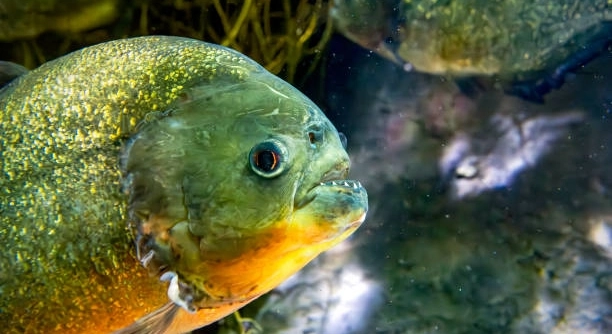
Are your piranhas swimming with sudden jerks or pausing too often, making you wonder if something is wrong with their behavior?
These sudden or repetitive movements are usually signs that piranhas are alert, sensing changes in their environment or potential threats. Such behaviors include darting, fin flicking, staying motionless, or circling, often triggered by vibrations, lighting, or other external stimuli.
Understanding these signals can help you respond appropriately and maintain a stable, stress-free tank environment for your piranhas.
Quick Darting Back and Forth
When a piranha quickly darts back and forth, it’s often a response to sudden stimuli in its environment. This might be a shadow, a loud noise, or even a change in lighting. These fish rely heavily on their senses, so anything unfamiliar can cause a fast reaction. This movement is not always aggressive but shows heightened awareness. It helps them prepare for either defense or retreat. In a tank setting, these movements might happen more often if there’s too much activity nearby or if the lighting is inconsistent. It’s important to minimize sudden changes around their tank to help them feel secure. If darting happens regularly, check the setup for reflections, vibrations, or anything that might cause stress. Stability in their environment goes a long way in reducing overactive behaviors. While darting may look dramatic, it’s usually just the fish doing its best to stay alert and ready for anything.
This behavior is common in tanks where fish feel exposed or unsettled.
You can reduce these movements by adding more hiding spots, softening the lighting, and keeping the tank in a low-traffic area. Making these small adjustments will help your piranhas feel safer and move more calmly.
Fin Flicking
Fin flicking usually means your piranha has noticed something strange. It could be a shift in temperature, water quality, or just another fish getting too close.
When a piranha flicks its fins repeatedly, it’s not just fidgeting—it’s trying to tell you something. This subtle movement can be one of the first signs that something in the tank isn’t quite right. Fin flicking often happens when water conditions are off. Ammonia levels might be too high, or the temperature may have dropped. Sometimes it’s just a reaction to another fish brushing past them. It’s not always a sign of illness, but it’s worth paying attention to. Consistent fin flicking should prompt a check on your filtration system and water parameters. A quick test can show if something needs adjusting. These movements are an important reminder that piranhas are very sensitive to their surroundings. They react even to small shifts, which can easily go unnoticed without close observation.
Freezing in Place
Freezing in place is one of the clearest signs your piranha feels uncertain or unsafe. It may stay motionless near plants, rocks, or the bottom of the tank to assess what’s happening around it.
This behavior often happens right after a loud noise, a sudden change in light, or if someone walks past the tank too quickly. Your piranha stops moving because it’s trying to stay unnoticed, especially if it feels threatened. It might stay like this for several seconds or even minutes before swimming away slowly. In a shared tank, this could also happen if another fish is being too aggressive or claiming territory. Keeping their space calm and consistent helps prevent these freeze responses. Use a gentle lighting setup and place the tank somewhere quiet, away from loud speakers or constant foot traffic. Small changes in your setup can lead to a more relaxed fish.
If freezing happens too often, it’s worth reviewing the tank environment and the piranha’s tankmates. Constant stress can weaken a piranha’s immune system and affect how it eats and moves. Even if the behavior looks harmless, repeated freezing means the fish doesn’t feel safe. Check for bullying, temperature swings, or reflective surfaces. A calm, consistent routine can help restore natural movement.
Sudden Dashes Toward the Glass
This movement usually happens when the piranha sees its reflection or is startled. It rushes toward the glass thinking it’s something it needs to confront or escape from.
In most cases, these fast dashes are triggered by environmental stress. A reflection in the tank glass might look like another fish, causing your piranha to react as if defending its territory. Sudden loud noises, people approaching the tank quickly, or vibrations from electronics can also lead to this behavior. If it happens once in a while, it may not be a big concern. But if your piranha keeps doing it, the fish could injure itself. Look at the tank’s positioning and lighting. Adjusting the angle of your lights or placing background film on the tank can remove reflections. You should also avoid tapping on the glass or making quick movements around the tank. Keeping the environment calm helps reduce the chances of sudden dashing.
Circling in One Spot
Circling in one area can show your piranha is feeling agitated or unsure. It may be reacting to changes in its space, such as a new object or a shift in water flow.
This repeated motion could also be territorial. Piranhas may circle a chosen area to claim it, especially in smaller tanks.
Nipping at Tankmates
When a piranha starts nipping at others, it may be testing boundaries or reacting to stress. Overcrowding, lack of hiding spaces, or uneven feeding can trigger this behavior. Keep an eye on who gets targeted and how often it happens. Rearranging decor or spreading out feeding spots can help reduce tension.
Rapid Gill Movement
Rapid gill movement is often a sign of poor water conditions. If it’s not tied to active swimming, check for ammonia or low oxygen.
FAQ
Why do my piranhas suddenly start swimming fast when I walk into the room?
This usually means your piranhas were startled. They are sensitive to sudden movement and vibrations, especially if your tank is in a high-traffic area. When someone enters the room quickly or gets too close to the tank, the fish may react with speed because they think there’s a threat nearby. Their instinct is to either defend themselves or hide. To reduce this, try approaching the tank slowly and keeping it in a quieter part of your home. Over time, they can get used to your presence and react less intensely.
How can I tell if my piranhas are stressed or just active?
It depends on how they move and how often. Piranhas that are simply active will swim smoothly, explore, and respond to feeding times with interest. Stressed piranhas tend to dart quickly, freeze in place, flick their fins, or hide more than usual. Stress can also show up as clamped fins, pale coloring, or reduced appetite. Watching their regular patterns will help you spot when something changes. If stress signs continue for more than a couple of days, it’s good to check water quality, tank layout, and the behavior of any tankmates.
Is it normal for my piranhas to freeze when I turn on the lights?
Yes, this can happen often. Sudden lighting changes can shock your fish. Piranhas prefer a steady, natural light cycle, and bright lights that come on suddenly make them feel exposed. They stop moving to avoid attention, just like they would in the wild when they sense a predator. To avoid this, use a dimmer light setting at first or gradually increase brightness. Adding floating plants or shaded areas can also help them feel more secure when lights are on.
What should I do if my piranhas are fighting?
Some chasing and nipping can be normal, especially during feeding or when they’re sorting out territory. But if you see regular biting, torn fins, or one fish being chased constantly, it’s time to step in. First, make sure the tank isn’t overcrowded. Each piranha needs space to feel comfortable. Add more plants or decorations to break up the space and reduce direct line-of-sight between fish. If one fish is always the target, consider separating it. Also, feed in multiple spots to stop competition over food.
Can tank setup really change how my piranhas behave?
Yes, the way your tank is set up can make a big difference in their behavior. Piranhas feel safer in dim lighting, with plenty of plants or decorations to hide behind. A bare tank with strong lights can make them anxious, leading to erratic swimming or hiding. Also, avoid placing the tank near speakers, TV screens, or where people walk by all the time. Even background vibrations can keep them on edge. A well-planned tank helps them stay calm and show more natural, relaxed behaviors.
Why is my piranha gasping at the surface?
This usually points to low oxygen in the water or poor water quality. Gasping is their way of trying to get more air. You’ll need to test your water right away—especially ammonia, nitrite, and oxygen levels. Make sure your filter is working well and consider adding an air stone or increasing surface agitation to boost oxygen. Also, check if the tank is too warm, as higher temperatures reduce oxygen levels. Fixing this early prevents further health issues.
Should I worry if my piranha is hiding all day?
Not always. Piranhas like having hiding spots, and it’s normal for them to retreat during the day, especially if they’re in a well-lit room. But if hiding becomes excessive and they aren’t coming out to eat or explore, it could be a sign of stress or illness. Double-check your water parameters and tankmates. A quiet setup with stable water quality usually encourages them to come out more. If everything looks good and hiding continues, watch closely for other signs of trouble like clamped fins or odd breathing.
Final Thoughts
Keeping piranhas happy and healthy comes down to understanding how they behave. Their movements can tell you a lot. When they dart, flick their fins, freeze, or circle, they’re usually reacting to something around them. These signs help you notice if your piranha feels safe or if something might be bothering it. Watching closely and learning these signals is one of the best ways to take care of them. Each movement might seem small, but together they show how your piranhas are doing. Being aware of these behaviors lets you respond early and avoid bigger issues later on.
A calm tank environment can make a big difference. Bright lights, loud noises, and sudden changes stress piranhas out. But soft lighting, steady routines, and quiet spaces help them feel safe. Things like adding plants, adjusting lighting, and avoiding overcrowding go a long way. A little change in how the tank is set up can lead to more relaxed and natural movement. If your piranhas look stressed, think about what has changed lately—maybe the water, the lighting, or new fish. Looking at their movements is like checking in on their mood. You don’t have to guess if they’re okay—you can see it by how they act.
Caring for piranhas takes time and attention, but it’s worth it. Once you get used to how they move and what’s normal, it’s easier to spot anything unusual. You don’t need to be an expert to notice if something feels off. Just take a few minutes each day to watch them. Most of the time, small adjustments are all that’s needed to help them feel better. When they swim smoothly, respond to feeding, and explore their space, it usually means things are going well. Staying consistent with your care, keeping the water clean, and giving them space to feel secure makes a big difference. These simple habits will help your piranhas stay active, alert, and comfortable in their home.

Hello,
If you enjoy the content that we create, please consider saying a "Thank You!" by leaving a tip.
Every little bit helps us continue crafting quality advice that supports the health, happiness, and well-being of pets around the world, for pets of all shapes, sizes, and species.
We really appreciate the kindness and support that you show us!